To keep fat content in check when camping, start by comparing plain frozen vegetables or options with no added oil, then check the ‘fat’ value per 100 g and the ingredients list for the specific product. A seasoned vegetable pan or purée may need less preparation, but whether it’s right for you also depends on its ingredients, the cooking equipment available and whether you can keep it frozen until you’re ready to cook it.
Who is this guide for?
Campers who want to keep fat content in check
If you’d rather add your own oil or sauce, compare plain options with vegetables made without added oil. Then check the fat content per 100 g: the specific recipe matters more than the general description ‘frozen vegetables’.
Campers with limited cooking equipment
If you’re taking a camping stove and just one saucepan or frying pan, choose a product based on the cooking instructions on the pack. A steam bag designed for the microwave won’t meet the same needs as a product that can be cooked in a frying pan.
Campers bringing their shopping with them
If you buy your vegetables before you reach your campsite, plan how to transport and store them so they stay frozen until you’re ready to cook them. Anses recommends buying frozen food at the end of your shop, using an insulated bag and keeping transport time to a minimum.
What should you check?
Before choosing a recipe for camping, first make sure you can keep it frozen and cook it with the equipment you have. Then compare the ingredients and fat content per 100 g of the products that meet these requirements.
| Criteria |
What to check |
Who this matters to |
| Fat content |
Compare the fat content per 100 g and check the ingredients list for oil, cream or sauce. |
I want to season the vegetables myself rather than choose a recipe that already contains oil; around 46% of consumers would make controlling fat content a priority. |
| Storage |
Plan for insulated transport and storage that will keep the product frozen until you’re ready to cook it. |
If I’m not using my shopping straight away, I need to be able to keep it frozen during the journey and at the campsite; around 36% of consumers would prioritise this consideration. |
| Cooking |
Read the cooking instructions and check the portion size, including whether a microwave is required. |
With just a camping stove, I need something I can cook with the equipment I have; around 18% of consumers would put ease of cooking first. |
Mistakes to avoid
-
Assuming all frozen vegetables have the same ingredients
A recipe may contain oil or cream. The product information for Carrefour Extra légumes du soleil and Auchan grilled peppers lists 4.6 g and less than 0.5 g of fat per 100 g respectively. These figures apply to these two products, not their entire ranges.
Compare the ‘fat’ value per 100 g and the ingredients list for each product you’re considering.
-
Buying a large bag without suitable storage
A frozen product is only suitable for your trip if you can keep it frozen before cooking it. An insulated bag helps with transport, but it doesn’t replace suitable storage at your destination.
Follow Anses’ advice: buy frozen food at the end of your shop, use an insulated bag and keep transport time to a minimum. Check your storage options before setting off.
-
Choosing a steam bag when there’s no microwave
Carrefour Extra steam bags of green vegetables are designed for microwave cooking, so they won’t make mealtimes easier if you don’t have access to one.
If you’re using a camping stove, look for a product whose packaging says it can be cooked in a frying pan or saucepan.
-
Overlooking the ingredients in a creamy recipe
Auchan Bio spinach with cream contains crème fraîche and milk. So you can’t tell whether a recipe is suitable for someone who needs to avoid an ingredient or allergen just by looking at the vegetable aisle.
Check the ingredients and allergen information for the exact product, especially for purées and seasoned mixes.
Frozen vegetable brands to know
Bonduelle
The range includes frozen spinach leaves, with the product reviewed here packed in 50 g portions.
- According to Bonduelle’s product information, this spinach contains only spinach and has 0.4 g of fat per 100 g.
- This applies to this specific product, so check the ingredients separately for prepared recipes.
Carrefour
Carrefour Extra and Carrefour Classic' offer frozen vegetables in a variety of formats, including steam bags, vegetable pans and purées.
- The Carrefour Extra green vegetable steam bag product information specifies microwave cooking and 1.9 g of fat per 100 g.
- Carrefour Extra légumes du soleil contains 4.6 g per 100 g, so compare each recipe and its cooking instructions.
Notre Jardin / Marque Repère E.Leclerc
The frozen range includes plain vegetables and vegetable pans, including green beans and a grilled vegetable pan.
- According to E.Leclerc’s product information, the grilled vegetable pan contains 2.4 g of fat per 100 g.
- This vegetable pan contains sunflower oil and olive oil, among other ingredients. Check the ingredients and availability with the relevant store.
Auchan
The range includes individual vegetables, mixes, vegetable pans and dishes made with cream.
- According to Auchan’s product information, its grilled peppers are made without added oil and contain less than 0.5 g of fat per 100 g.
- Auchan Bio spinach with cream contains milk and has 1.9 g of fat per 100 g; it must be cooked thoroughly.
Lidl
When shopping at Lidl, choose from the products and labels available in your local store.
- Reading the ingredients and nutritional information lets you compare the products available locally.
- Check that a product to suit your needs is available before planning your meal around it.
ALDI
ALDI includes vegetable dishes in its frozen range; your options depend on what’s available in store.
- Check the packaging of the product you choose to compare its ingredients and fat content per 100 g.
- Don’t assume you know what a vegetable dish contains from its name alone: check the cooking instructions too.
Joybuy products for cooking at the campsite
These two frozen vegetables can be part of a campsite meal if you have suitable equipment and can keep them frozen until you’re ready to cook them. Check the cooking instructions on each pack before choosing.
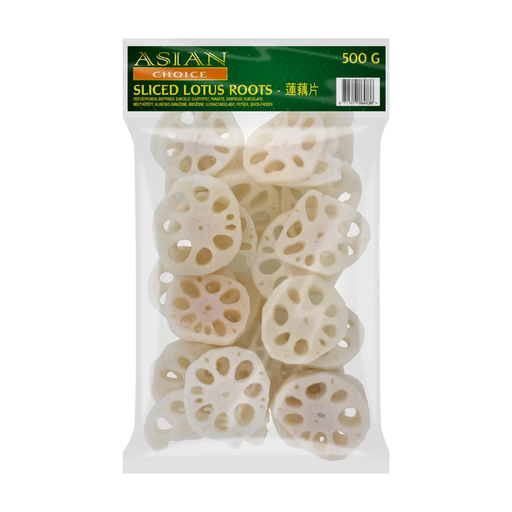 Image unavailable
Asian Choice Lotus Roots Slice 500g
Sliced lotus root can be used in a soup or stir-fry if you can keep it frozen and have the cooking equipment you need.
Format: slices, 500 g bag. Check the cooking instructions on the pack before setting off.
View on Joybuy
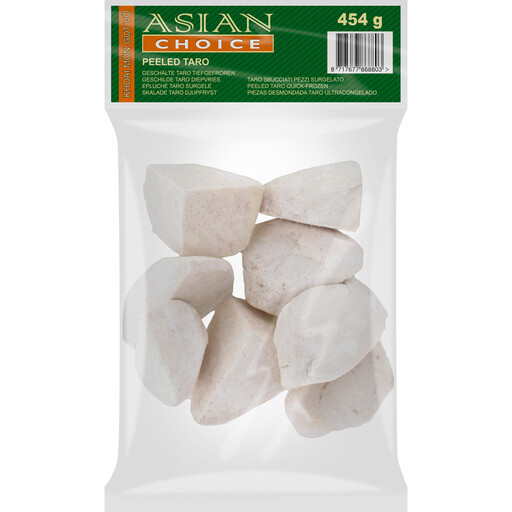 Image unavailable
Asian Choice Peeled Taro 454 g
Peeled taro could be used in a soup or stew if you can keep it frozen and cook it according to the instructions on the pack.
Format: peeled, 454 g bag. Check the cooking method and time before setting off.
View on Joybuy
Frequently asked questions
How can I compare the fat content of frozen vegetables?
Compare the ‘fat’ value per 100 g on the packaging, then check the ingredients for things such as oil and cream. A vegetable or recipe name alone doesn’t tell you what it contains.
Is a cool box enough to take frozen vegetables camping?
Only if your plans allow you to keep the products frozen until you’re ready to cook them, including after you arrive. Anses advises buying frozen food at the end of your shop, carrying it in an insulated bag and keeping journey times short; also check what storage is available at your destination.
Can you refreeze vegetables that have defrosted during the journey?
No. Anses advises against refreezing food that has defrosted and recommends eating it promptly. If you can’t store the product as directed, don’t plan to keep it for another meal.
Can I use a steam bag if I only have a camping stove?
Not if the instructions say you need a microwave. This is the case for Carrefour Extra green vegetable steam bags. If you’re using a camping stove, check the packaging to make sure you can cook the vegetables in a frying pan or saucepan.


