
Livraison le jour même ou le lendemain

Qualité garantie

Débloquez vos offres de bienvenue: Livraison GRATUITE | Jusqu'à -80 % | 30 jours d'essai gratuits à JoyPlus
Téléchargez l'application
Frozen vegetables are true kitchen staples. They're convenient, allowing you to prepare nutritious meals in a flash while reducing food waste. However, on the shelves (both virtual and physical), not all options are created equal. It's easy to get lost between marketing claims and the actual product. As a Product Expert at Joybuy, my mission is to help you navigate the choices and select the products that are genuinely right for you.
Here are the most common pitfalls to watch out for and the key criteria to check to make the right choice on your next online purchase of frozen vegetables.
A quick grocery run is great, but not at the expense of quality. Here are three classic mistakes that can turn a good idea into a disappointing meal.
Some frozen vegetable mixes or ready meals can hide surprising amounts of salt, sugar, or fat in their sauces. A product that looks healthy can turn out to be much less so from a nutritional standpoint. The golden rule? Always check the ingredient list and the nutritional information panel.
Who hasn't been disappointed by frozen green beans that turn out mushy and waterlogged after cooking? This problem is often the result of a slow freezing process. When vegetables freeze slowly, large ice crystals form and damage their cell walls, which irreversibly degrades their texture.
Buying a two-kilo bag of frozen peas might seem economical, but if you take too long to finish it, the vegetables risk getting the dreaded freezer burn. Conversely, smaller packages are convenient but often less cost-effective per kilo. Choosing the right size is therefore essential to optimise your budget and prevent waste.
To avoid these disappointments, a few simple checks are all it takes to identify a quality product.
For plain vegetables, the ideal ingredient list is the shortest one possible: it should contain only the vegetable and nothing else. For example, a package of frozen edamame should simply list "soybeans". This guarantees you're buying an unprocessed product with no added salt, sugar, or preservatives.
Individually Quick Freezing (or IQF) is a technique where each piece of vegetable is frozen separately at a very high speed. This process best preserves the product's texture, flavour, and nutrients. The vegetables don't form a solid block in the bag, making them easy to portion and ensuring they hold up much better during cooking.
Taking an interest in a product's origin not only allows you to support specific supply chains but also to discover new flavours. Freezing makes rarer frozen Asian vegetables like lotus root or galangal accessible, perfect for adding variety to your meals and exploring world cuisines.
To help you find the product that fits your lifestyle, here are a few options that meet different needs.
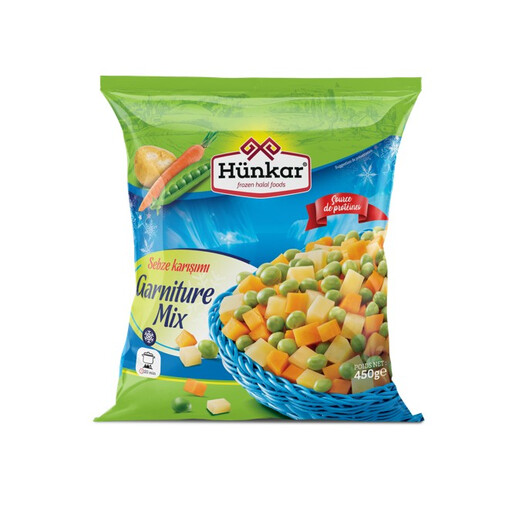
Why we chose it: This classic frozen vegetable mix (peas, carrots, potatoes) is an ultra-versatile base. It lets you whip up a stir-fry in minutes, enrich a soup, or complete a meat or fish dish. A precious time-saver for busy families.
The ingredient list is simple and clear, with no added salt or sauces. The 450g size is ideal for a family meal, preventing leftovers and waste.
An economical and all-purpose solution for easily incorporating more vegetables into everyday meals.
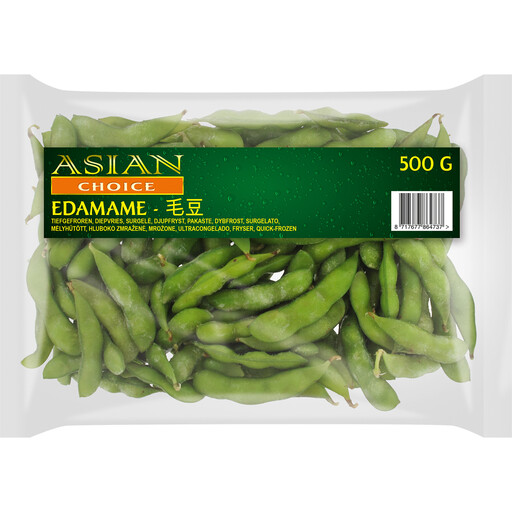
Why we chose it:Frozen edamame is a must-have for fans of Asian cuisine. It's perfect as an appetiser, simply blanched and salted, or added to salads, woks, and poke bowls. Having this ingredient on hand guarantees you can whip up a dish with exotic flavours at a moment's notice.
This product contains 100% soybeans, with nothing added. The quick-freezing process preserves its firm texture and delicate flavour, avoiding the dreaded "waterlogged" effect.
Rich in plant-based protein and incredibly simple to prepare, it adds a touch of originality and a real nutritional boost to your meals.

Why we chose it: For those who don't compromise on quality and origin, this option is a reliable choice. The brand highlights that the vegetables are harvested and frozen on the same day and are grown in France. These are all markers of trust for the most discerning consumers.
The commitment to freezing on the day of harvest is the best guarantee against a degraded texture. The "pesticide-residue-free" claim (according to the manufacturer) is another seal of confidence.
The traceability (French origin) and the brand's strong commitments to its manufacturing process offer real peace of mind.
If your recipe calls for a texture that only fresh produce can provide, or if you simply want to add more variety, our selection of seasonal vegetables is also available.
Discover our full range of seasonal vegetables, selected with the same high standard of quality.
That's a common misconception! In reality, vegetables are typically frozen just hours after being harvested, which helps to "lock in" a large portion of their vitamins and minerals. In comparison, fresh vegetables can lose some of their nutrients during transport and in-store storage. A frozen vegetable can therefore be just as nutritious, and sometimes even more so, than a fresh one that has been sitting on a shelf for several days.
To prevent your vegetables from becoming waterlogged, it's all about the cooking method! Unless the packaging says otherwise, it's best to cook most vegetables straight from the freezer without thawing them first. Opt for quick, high-heat cooking methods (like pan-frying or stir-frying) or steaming instead of boiling for a long time. This helps to sear the vegetables and preserve their crispness.
Absolutely. The delivery of frozen products is a specialised field that requires flawless logistics. Delivery services like Joybuy use high-performance insulated packaging and express shipping solutions to ensure your products remain at the correct temperature, from our warehouses to your door. The cold chain is maintained throughout, guaranteeing the food safety and quality of your items.