For feeding a crowd
If you’re cooking several portions at once, plain vegetables that you can use in different meals give you more flexibility. Check that the bag size suits the space you have available and the quantities you usually cook.


If you’re stocking up for several meals, start by choosing between plain vegetables, mixes and ready-made dishes, depending on how much you want to prepare yourself. A large bag is only practical if you’ll use everything in it and have enough freezer space. If a product is described as premium, check its ingredients, pack size and preparation instructions.
If you’re cooking several portions at once, plain vegetables that you can use in different meals give you more flexibility. Check that the bag size suits the space you have available and the quantities you usually cook.
Pre-cut vegetables, mixes and some part-cooked options can cut down on preparation time. If you’re serving several people, compare the bag weight and cooking instructions for the product you choose, too.
The ingredients list helps you tell plain vegetables apart from recipes containing sauce or cream. If the ingredients, an organic label or allergens matter to your guests, check the label on the product you’re buying.
Start by deciding what kind of preparation you want, then compare the pack size with your planned meals and the space available in your freezer. For each criterion below, the percentage refers to consumers who would make it their main priority.
| Criterion | What to check | Who is it for? |
|---|---|---|
| Pack size and versatility | Net weight and whether you can use the same vegetable in several recipes. | When I’m preparing several meals, I want a bag I can use in different dishes. Around 31% of consumers would put this versatility first. |
| Ingredients | Ingredients, the proportions of vegetables in a mix, and any listed additions or allergens. | When I’m cooking for guests, I want to know exactly what’s in the bag before planning the menu. This would be the main priority for around 25% of consumers. |
| Preparation | How the vegetables are cut, portion sizes and the cooking method listed for the product. | If I’m short on time before serving a crowd, I’d rather keep chopping to a minimum and plan the cooking using the instructions on the pack. Around 19% of consumers would prioritise preparation. |
| Storage | Freezer space, the temperature stated on the packaging and how to transport the bags. | Before buying several packs, I need to be able to transport them and put them away quickly without compromising their storage. Freezer space and keeping the products cold would be priorities for around 25% of consumers. |
A bag might contain plain vegetables, a mix or a recipe with other ingredients. The range name alone won’t tell you whether the product is right for the dish you have planned or the people you’re serving.
Read the ingredients list and check the allergens shown. For a mix, look at the proportions if they’re listed on the packaging.
Buying in bulk means having enough space to get all the products back into the freezer quickly. Anses recommends buying frozen food at the end of your shop and using insulated bags to transport it.
Check how much space you have before you shop, and follow the storage temperature shown on each pack.
A range shown by a retailer doesn’t guarantee that the vegetable or pack size you want will be available at the store where you shop.
If your menu depends on a particular product, check that it’s available at your chosen store before planning your shop.
These brands and retailers can help you compare vegetable types and pack sizes. Their ranges don’t guarantee that a product will be available for your order.
Worth a look if you’re after mixes, organic vegetables or part-cooked options.
A useful option for comparing plain vegetables and mixes when you’re looking for a pack to use across several meals.
Worth considering if you’re stocking up on vegetables to use in different recipes.
Worth comparing if you’re choosing between plain vegetables, mixes and more elaborate dishes.
Another option to explore if you’re looking for frozen vegetables in 1 kg bags.
A retailer to check if you’re already planning to shop there and want to add frozen food to your list.
These 750 g and 800 g bags let you compare mixes and single vegetables for preparing several portions. Choose according to the recipes you have planned and the space available, and bear in mind that these aren’t 1 kg bags.
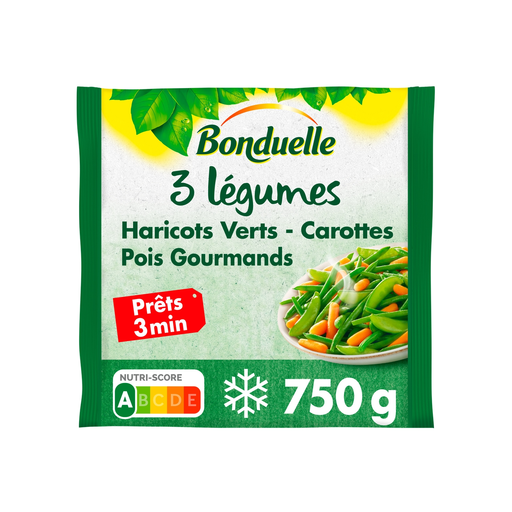 Image unavailable
A convenient way to vary your sides with one vegetable mix. The bag contains 750 g. Check the packaging for ingredients and cooking instructions before planning your portions.
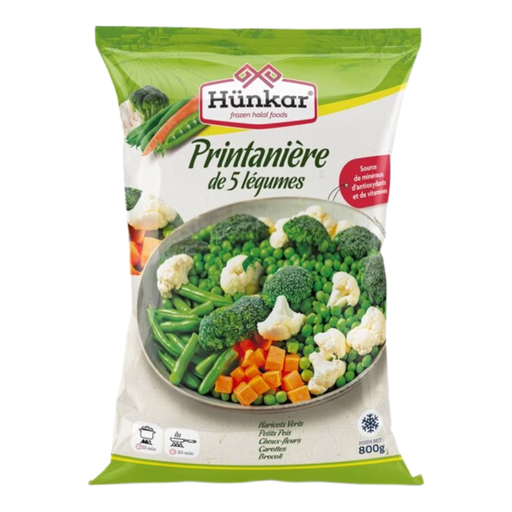 Image unavailable
A mix to consider if you’re preparing several portions without buying each vegetable separately. The pack weighs 800 g. Check the packaging for the exact ingredients and cooking instructions.
 Image unavailable
This single-vegetable option is ideal if you want to put together your own sides. The bag contains 750 g. Adjust the number of bags to suit your planned portions, and follow the preparation instructions on the packaging.
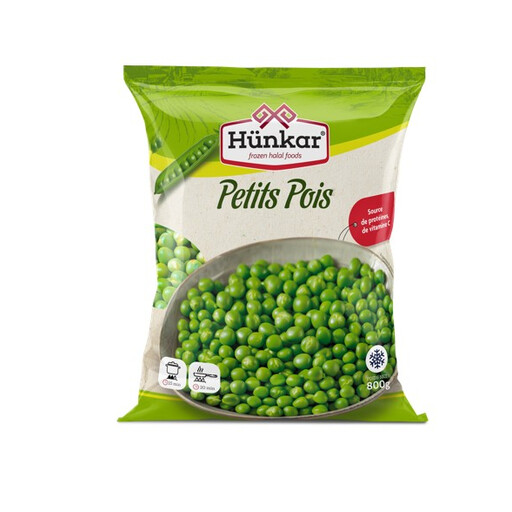 Image unavailable
Peas to use across several recipes if they’re a regular feature in your meals. The bag contains 800 g. Check the cooking instructions and make sure you have enough freezer space to store it.
Yes, but only if you can put them away quickly and maintain the temperature stated on their packaging. Check how much space you have before buying. Anses points out that home freezing at −18 °C stops bacteria from multiplying, but doesn’t destroy most micro-organisms.
Pick up frozen food at the end of your shop and carry it in insulated bags, as Anses recommends. Put the bags away as soon as you get home, following the storage instructions on the packaging.
Don’t refreeze it if the packaging says not to refreeze after thawing, as stated on the Carrefour Classic' and Bonduelle product pages mentioned here. Follow the instructions for the specific product instead of putting the bag back in your freezer stock.
No. Choose a mix based on the recipe you have planned and the information on its label. Compare the ingredients and any listed proportions, as well as any added sauce or cream. Check the stated allergens, too, if they’re relevant to your guests.