Budget-conscious cooks
A bag of plain vegetables can be the basis for several meals, as long as you choose an amount you can realistically use and store.


For a comforting dinner, choose plain vegetables if you want to season them yourself, a cooking mix if you’d rather not prepare several different vegetables, or a ready-made recipe if its texture saves you useful steps. In each case, check that you’ll use the pack you choose. If it’s a seasoned preparation, check the ingredients and allergens too.
A bag of plain vegetables can be the basis for several meals, as long as you choose an amount you can realistically use and store.
A mix for soup, couscous, stir-frying or ratatouille saves you from having to gather and chop several vegetables. Check it suits your recipe and cooking method.
Before serving a ready-made mash, vegetable pan or gratin for dinner, check the ingredients list, allergens and nutritional information.
Start with the dish you want to make: plain vegetables leave you free to choose the recipe, a mix brings several vegetables together, while a ready-made preparation already has a particular texture or seasoning.
| Criterion | What to check | Who it matters to |
|---|---|---|
| Usable quantity | Check the net weight and plan how you’ll use the bag across your meals. | If I buy a large bag for several dinners, I want to be able to use it all without wasting any. Around 36% of consumers put the amount they can use at the heart of their decision. |
| Dinner preparation | Choose a cut that suits your recipe and read the cooking instructions. | When I get home late, I prefer a mix that saves me from preparing each vegetable separately. Cutting down on prep is the priority for around 29% of consumers. |
| Ingredients | For a ready-made recipe, check the ingredients, allergens and ‘salt’ value in the nutritional information. | Before serving a mash or gratin, I want to know what’s been added to the vegetables. Around 21% of consumers put control over ingredients first. |
| Storage | Check how much space you have in your freezer and follow the instructions on the packaging. | If I have limited freezer space, I choose a pack I can store and use properly. Storage is the main concern for around 14% of consumers. |
A large bag is only practical if the quantity suits how you’ll use it and the space you have in your freezer.
Before you buy, decide which meals you’ll use the remaining vegetables for and check the product’s storage instructions.
A mix for soup, couscous or stir-frying brings vegetables together, but you may still need other ingredients and seasoning to make the dinner you have in mind.
Read the product name, ingredients list and cooking instructions, then choose a mix to suit your recipe.
A vegetable pan, mash or gratin may contain a sauce, cream or other ingredients. Manger Bouger reminds us that ready meals can contribute to our salt intake.
Compare the ingredients, allergens and ‘salt’ value of preparations intended for the same use. If a Nutri-Score is shown, treat it as additional information.
Keeping food cold matters when you’re choosing a pack intended to last for several meals, too.
Pick up frozen food last, keep transport time to a minimum and put it away promptly. ANSES recommends using thawed food quickly and not refreezing it.
Carrefour’s range includes plain vegetables and mixes for dishes such as soup, couscous, stir-fries and ratatouille.
E.Leclerc’s Marque Repère range includes plain vegetables in 1 kg bags, as well as preparations such as mashes and ratatouilles.
ALDI’s range includes plain vegetables, as well as vegetable pans, mashes and gratins.
Auchan’s range includes individual vegetables, mixes, vegetable pans and mashes, with 1 kg packs available for some vegetables.
Bonduelle’s range includes vegetable pans, vegetable and grain combinations, and patties for pan-frying.
These Joybuy products show three ways to prepare dinner: season plain vegetables, cook a mix or heat up a ready-made preparation. Choose according to your recipe, how much you need and the instructions on the packaging.
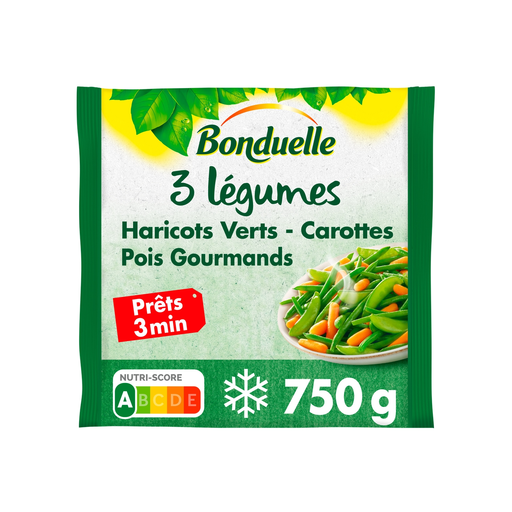 Image unavailable
Worth considering if you want several vegetables in one side dish rather than opening multiple bags.
The bag contains 750 g. Plan the other parts of your dinner and check the cooking instructions on the packaging.
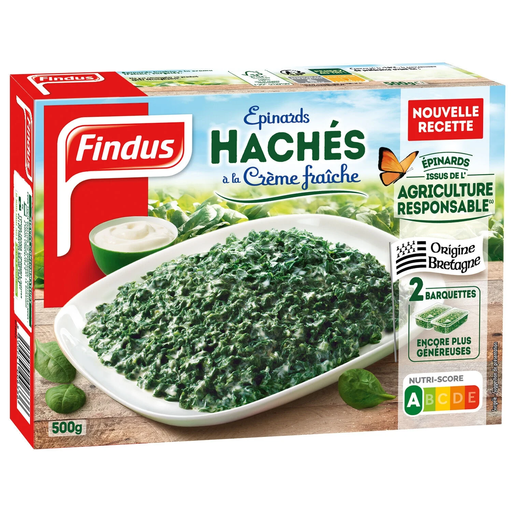 Image unavailable
Consider this if you’d like a spinach side dish that’s already been prepared with cream.
The pack contains 500 g. Check the allergens, ingredients and cooking instructions before adding it to your meal.
 Image unavailable
A vegetable base to choose if you’d rather put together the side dish and season it yourself.
The bag contains 750 g of extra-fine green beans. Check how much you’ll need for the meals you have planned.
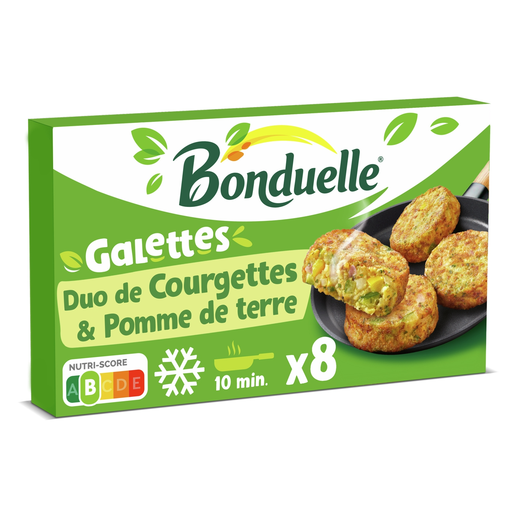 Image unavailable
The individual portions may suit you if you want to share the patties between several plates.
The pack contains 8 patties made with courgette and potato. Read the ingredients and cooking instructions for this preparation.
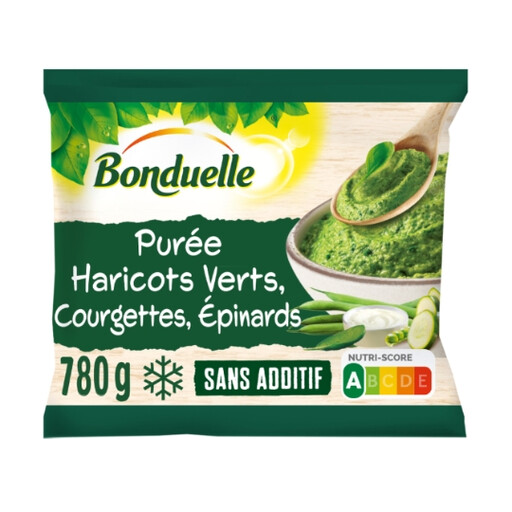 Image unavailable
Worth considering if you’re looking for a purée made with several vegetables to serve with dinner.
The pack contains 780 g. Check the ingredients, allergens and cooking instructions for this product.
Choose an amount you can use for the meals you have planned and store in your freezer. Net weight makes it easier to compare pack sizes, but a large bag is only useful for your dinner if you can put the rest to good use.
They’re a good choice if you want to decide on the seasoning and other ingredients yourself. A mix can save you from preparing several vegetables, while a purée or patties already have a set texture. If you choose one of these, check the ingredients.
Start by checking the ingredients list, allergens, portion size and ‘salt’ value in the nutritional information. If the packaging shows a Nutri-Score, use it as extra information rather than a substitute for checking the recipe.
Pick them up towards the end of your shop, keep transport time to a minimum and put them in the freezer promptly, following the packaging instructions. These steps help maintain the cold chain, as ANSES advises.
ANSES recommends not refreezing thawed food and using it quickly. To thaw food, it advises using the fridge, the microwave’s defrost setting or thawing it quickly during cooking or reheating. Follow the instructions for the specific product too.