Anyone who prefers to control the seasoning
If you prepare several vegetable bases in advance, a plain product lets you choose the oil, sauce and salt for each recipe. Even so, check its ingredients and nutritional values per 100 g.


To prepare several meals while choosing how much added fat to use, start with plain frozen vegetables and season them to suit each recipe. Prepared stir-fry mixes and purées take less preparation, but their ingredients vary. Compare the fat per 100 g and the ingredients list of products intended for the same use.
If you prepare several vegetable bases in advance, a plain product lets you choose the oil, sauce and salt for each recipe. Even so, check its ingredients and nutritional values per 100 g.
A prepared stir-fry mix or purée can make meal planning easier. However, it may contain added ingredients, so check what’s in it before treating it as a simple vegetable base.
When preparing meals for several people, check the label of each product, especially if a prepared dish contains cream or eggs. Read the allergen and ‘may contain’ statements too, rather than relying on the dish name alone.
First decide how the vegetables will fit into your meals: as a base to season yourself, or as an already prepared dish. Then compare products intended for the same use by their nutritional information per 100 g, and check their ingredients and pack size.
| Criteria | What to check | Who it matters to |
|---|---|---|
| Fat | Compare the ‘fat’ value per 100 g for products intended for the same use, then look for oils or cream in the ingredients. | When preparing several dishes, I don’t want to use the same seasoning for everything. I want to choose the added fat for each one. Around 31% of consumers would put this control first. |
| Time and portions | Check the net weight, how the product is presented and its cooking instructions. | When I cook several meals at once, my main priorities are dividing up the quantities easily and minimising handling. Ease of preparation would be the top priority for around 31% of consumers. |
| Recipe variety | Check which vegetables are included, how they’re cut and whether they’re already seasoned. | If my menu includes both soup and a side dish, I need to choose the ingredients and texture that suit each recipe. Around 23% of consumers would prioritise this flexibility. |
| Ingredients and allergens | Read the full ingredients list, the allergens highlighted and any ‘may contain’ statements. | When cooking ahead for several people, I need to be able to rule out an ingredient that doesn’t suit them, even if the product meets my other criteria. This check would be a priority for around 15% of consumers. |
A grilled or prepared dish may contain oil, cream or pre-fried ingredients. For example, Carrefour says its Carrefour Extra légumes du soleil contains 3% olive oil and 4.6 g of fat per 100 g; these figures apply to this particular product.
Compare the values per 100 g for products intended for the same dish, and check the ingredients list before planning your own seasoning.
According to the DGCCRF, Nutri-Score is a voluntary label. On its own, it doesn’t tell you how much fat a product contains or give you the full recipe details you need to make this decision.
Read the nutritional information per 100 g and the ingredients. Check the salt content too if you want to control the seasoning in your meals.
The four-vegetable purée from Notre Jardin, featured by E.Leclerc, contains crème fraîche. A prepared recipe shouldn’t be treated as plain vegetables just because of how the packaging looks.
Check the ingredients, highlighted allergens and any ‘may contain’ statements on the product you buy, even if you’ve used a similar product before.
For a batch-cooking session, the amount you defrost should match the dishes you can prepare and eat soon afterwards. Anses recommends not refreezing food once it has been defrosted.
Plan your portions before you start. According to Anses, food can be defrosted in the fridge, in the microwave using the defrost setting, or quickly during cooking or reheating. Defrosted food should be eaten within three days at the latest.
These examples show why it’s important to choose a specific product rather than assume what’s in it based on the retailer or brand name.
The brand offers plain frozen vegetables that you can season yourself.
The retailer distinguishes between plain vegetables and prepared stir-fry mixes, purées and other cooked dishes.
The range includes simple vegetables in large bags, as well as prepared stir-fry mixes and purées.
The retailer offers individual vegetables, mixed vegetables and prepared dishes.
These frozen vegetables and ingredients can be used as cooking bases and seasoned to suit your menu. Peeled taro is better suited as an ingredient in a recipe designed for it. For each product, check the ingredients and pack instructions before preparing several portions.
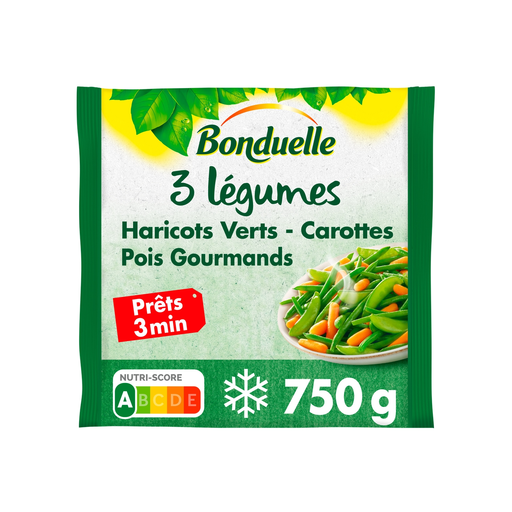 Image unavailable
Worth considering if you want to divide a vegetable mix between several side dishes and season each to suit the meal.
750 g bag. If celery is a concern, check the ‘may contain’ information on the pack before use.
 Image unavailable
An option if you prefer to choose the seasoning for your green bean side dishes yourself.
750 g bag. Check for any ‘may contain’ information about celery if this is a concern for you.
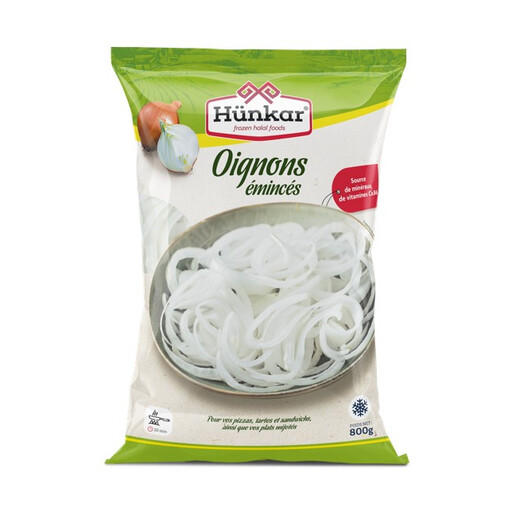 Image unavailable
Consider these as a pre-chopped ingredient for homemade dishes, rather than as a side to serve on its own.
800 g bag. Work out how much you need for each recipe before you start cooking.
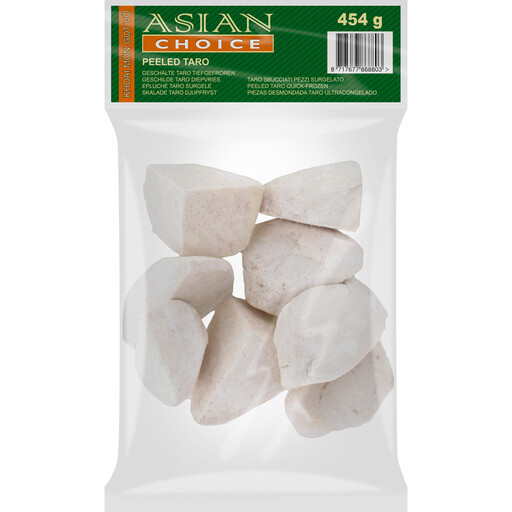 Image unavailable
Choose this if taro is on your menu and you have a recipe in mind. This root vegetable isn’t a ready-to-serve mix or a direct substitute for a stir-fry mix.
454 g bag. Check the cooking instructions before adding it to your dishes.
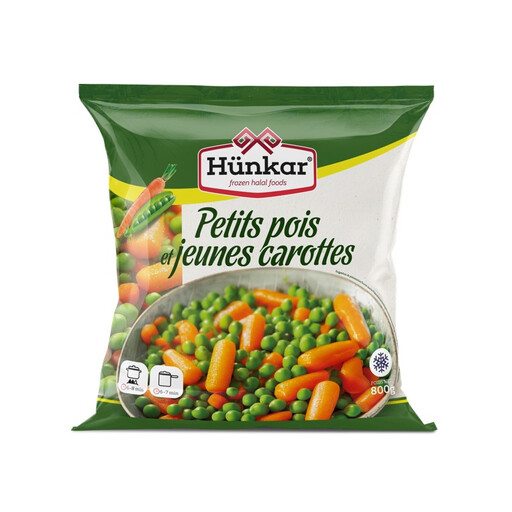 Image unavailable
Worth considering if two vegetables in one bag suit the dishes you plan to prepare and season.
800 g bag. Check the cooking instructions on the pack before dividing the mix between several recipes.
No. It doesn’t replace the ‘fat’ value per 100 g or the ingredients list. The DGCCRF describes Nutri-Score as a voluntary label. To choose between two prepared dishes intended for the same use, check their detailed nutritional information and ingredients.
Don’t assume so: check each product and compare products intended for the same use. To give examples specific to these products, Bonduelle states that its Épinards Feuilles Préservées contain 0.4 g of fat per 100 g, while Carrefour says its Carrefour Extra légumes du soleil, which contain olive oil, have 4.6 g per 100 g.
Anses recommends not refreezing food once it has been defrosted. If you’re preparing several meals, defrost only what you plan to use. Anses advises eating defrosted food promptly, within three days at the latest.
Keep them out of the freezer for as little time as possible: pick up frozen food at the end of your shop, carry it in an insulated bag and put it away as soon as you get home. This helps maintain the cold chain before your meal-prep session, in line with Anses guidance.