Anyone preparing versatile meal bases
If you use the same vegetables in several dishes, plain options and cuts suited to your recipes let you choose the quantities and seasoning.


When preparing several meals in advance, start by choosing the level of preparation that suits your recipes: plain vegetables for maximum flexibility, mixes to cut down on chopping, or ready-cooked vegetables and pan mixes to save time on weeknights. The word “premium” is no substitute for checking the cut, ingredients, pack size, cooking instructions and the space available in your freezer.
If you use the same vegetables in several dishes, plain options and cuts suited to your recipes let you choose the quantities and seasoning.
Mixes, ready-cooked vegetables and pan mixes can cut out some preparation steps. If you’ve already planned your meals, the contents of the pack are still key.
If ingredients or provenance matter to you, compare the ingredients, allergens, net weight, nutritional information and any origin details for each product.
Start with the meals you plan to make, then choose between plain vegetables, mixes and ready-made dishes. Next, check the ingredients and how much you’ll be able to store and use.
| Criteria | What to check | Who is it for? |
|---|---|---|
| Versatility | The vegetable or mix, the cut and the net weight. | I want to divide the same base between several recipes without having to use the same seasoning for each one. Around 36% of consumers rank versatility as their top priority. |
| Preparation time | Whether the product is plain, pre-cooked or ready-made, and the cooking method shown. | On evenings when I’m short on time, I’d rather keep the steps before serving to a minimum. Saving time is the main priority for around 29% of consumers. |
| Ingredients and origin | The ingredients, allergens and any origin details for the specific product. | Before adding a pan mix to my meal plan, I want to know what’s in it and where it comes from, if that information is provided. For around 21% of consumers, checking this comes before other criteria. |
| Portions and storage | The net weight, stated number of portions and storage instructions. | With limited freezer space, I look for a pack I can divide between the meals I’ve planned. Getting the portions and storage right is a priority for around 14% of consumers. |
A ready-made mix may contain extra ingredients or allergens, and might not suit the dish you have planned.
Check the product name, ingredients list and allergens before adding it to your meals.
Whether it’s a good choice depends on how many meals you’ve planned and how much space you have in your freezer.
Compare the net weight with the portions you need, and check that your freezer can store the products at the temperature shown on the packaging. The Ministry of Agriculture advises setting it to −18 °C.
Transporting frozen food for too long without suitable protection can compromise its storage.
The DGCCRF recommends using an insulated bag and getting the shopping into the freezer as quickly as possible.
The Ministry of Agriculture advises against refreezing thawed food because of the risk of bacterial growth.
Plan the quantities you need for each meal and follow the storage instructions on the pack.
Frozen vegetables, including organic options, to explore based on the preparation and pack size you’re looking for.
A range that includes plain vegetables, mixes and ready-made dishes.
Individual vegetables, mixes, pan mixes and other prepared options, each suited to a different role in your meals.
Worth exploring if you arrange your frozen food shopping for collection or delivery.
This selection includes individual vegetables and mixes you can use in several recipes. Before choosing a pack, compare its weight and ingredients with the portions and preparation methods you have planned.
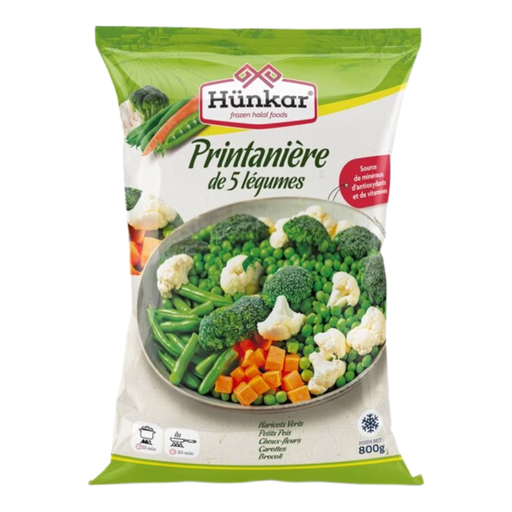 Image unavailable
Worth considering if you’d like to divide a vegetable mix between several dishes. The pack contains 800 g; check the ingredients, portions and preparation instructions for your recipes.
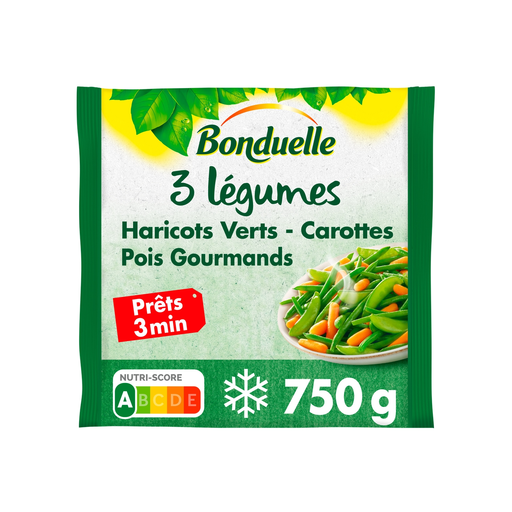 Image unavailable
For meals where you’d like to use these three vegetables together. The pack contains 750 g; check the allergens on the label and divide the quantity according to your meal plan.
 Image unavailable
A good option if you want to choose the vegetables for your recipes separately. This pack of extra fine green beans contains 750 g; check the cooking instructions and allergens shown on the packaging.
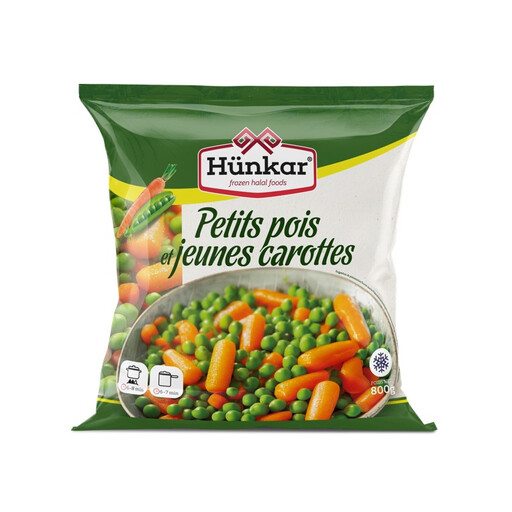 Image unavailable
For meals where you’ve planned to serve peas and baby carrots together. The pack contains 800 g; check the cut and preparation instructions before dividing it into portions.
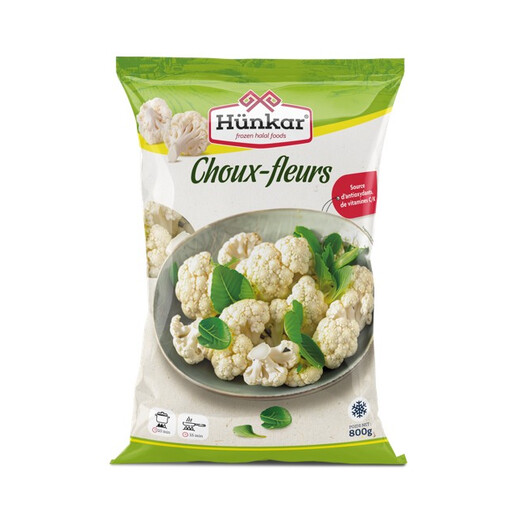 Image unavailable
For creating your own dishes featuring cauliflower. The pack contains 800 g; check the cut, preparation instructions and the space available in your freezer.
Start with the product name and ingredients list to tell plain vegetables apart from a ready-made dish. The DGCCRF also highlights the importance of clearly indicated allergens. Check the net weight, storage instructions and nutritional information relevant to the product.
The Ministry of Agriculture advises setting your freezer to −18 °C. Also follow the temperature and storage instructions shown on the pack.
The Ministry of Agriculture advises against refreezing thawed food because of the risk of bacterial growth. When preparing meals in advance, take out only as much as you’re going to use.
No, don’t assume this information will appear on every mix. According to the Ministry of the Economy, Origin’Info is a voluntary scheme that doesn’t cover all processed products. Check the label on the specific pack if provenance matters to you.