
Livraison le jour même ou le lendemain

Qualité garantie

Débloquez vos offres de bienvenue: Livraison GRATUITE | Jusqu'à -80 % | 30 jours d'essai gratuits à JoyPlus
Téléchargez l'application
In our increasingly fast-paced world, fitting fresh and varied vegetables into every meal can be a genuine challenge. The frozen vegetable mix has become a convenient and cost-effective solution for maintaining a balanced diet. However, the selection is vast, and quality can vary significantly. As a Product Recommendation Manager at Joybuy, my role is to help you navigate the options, offering objective criteria to make an informed choice beyond the hype of marketing claims.
To select a vegetable blend that meets your standards for quality and convenience, there are a few key factors to consider. These simple criteria, aligned with European standards, will help you better evaluate products.
Simplicity is often a hallmark of quality. A good frozen vegetable mix should contain... just vegetables. Be wary of long ingredient lists. The presence of added sugars, excess salt, artificial flavours, or flavour enhancers can signal an ultra-processed product. Prioritise short, clean ingredient lists featuring only vegetables, perhaps with some herbs.
The proportion of each vegetable in the blend is a key indicator. A product dominated by low-cost vegetables like carrots or potatoes won't offer the same nutritional value or flavour profile as a more balanced blend. The cut of the vegetables (diced, julienne, florets) also provides clues about its intended use: a frozen macedoine mix is perfect for a potato salad, while larger pieces are better suited for a frozen vegetable sauté or a hearty stew.
The nutrition facts panel offers valuable insights. Check the fibre content, which is essential for satiety and digestion, as well as the protein level. A blend with no added salt is a significant advantage, giving you complete control over seasoning to suit your taste and dietary needs. This information helps you select a product that aligns with your diet and wellness goals.
Based on these criteria, we've identified several outstanding options known for their quality and versatility. Here are some prepared frozen vegetables that cater to the needs of busy families and individuals.
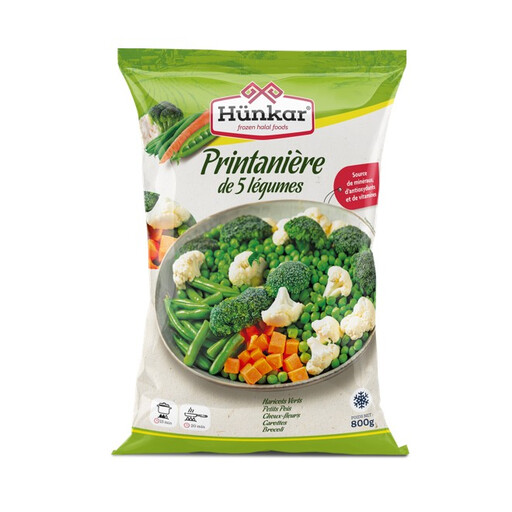
Why we recommend it: This blend is distinguished by its varied and balanced composition, featuring green beans, peas, cauliflower, carrots, and broccoli. This diversity makes it an ideal foundation for accompanying meat or fish, or as the centrepiece of a vegetarian meal. The fact that it has no added salt is a significant plus.
Pros:
Who is this product for: Perfect for families seeking a simple way to serve a complete and healthy vegetable side, and for those who meal prep and need a versatile vegetable base for the week.
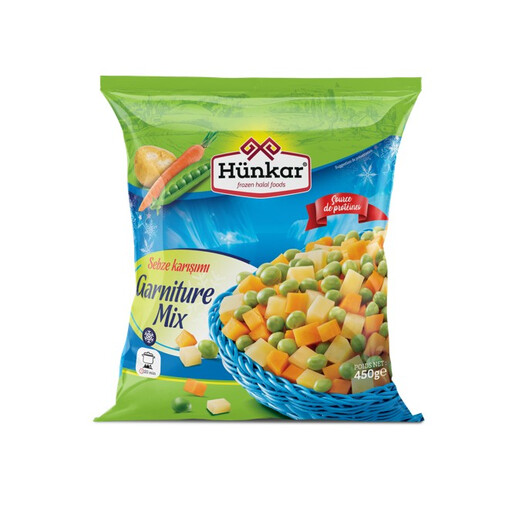
Why we recommend it: This product is a timeless classic. Made from the classic trio of peas, carrots, and potatoes, it's a traditional macedoine-style mix. Its simplicity makes it an extremely versatile base for countless dishes: from mixed salads and savoury tarts to purées or a simple side.
Pros:
Who is this product for: Perfect for those who appreciate kitchen staples and want a reliable base for improvising quick meals, cold appetisers, or traditional accompaniments.
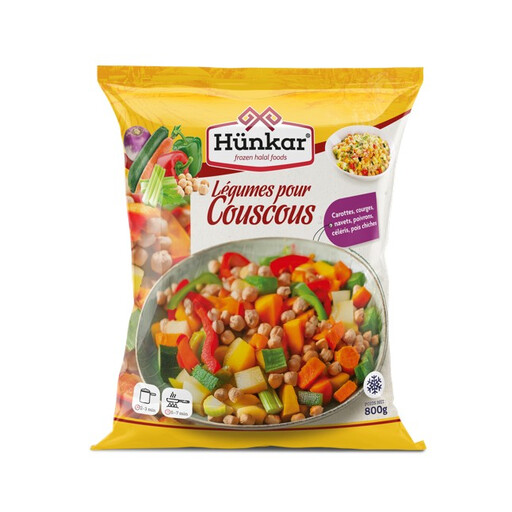
Why we recommend it: Preparing authentic couscous takes time, especially when it comes to chopping vegetables. This Hünkar vegetables mix offers a ready-to-use solution with carrots, courgettes, turnips, peppers, celery, and chickpeas. The vegetables are cut into cubes and strips specifically for this dish, ensuring significant time savings without compromising on flavour.
Pros:
Who is this product for: Aimed at couscous lovers who are short on time for prepping fresh vegetables, as well as anyone looking to easily create a flavourful, shareable meal.
While these vegetable blends provide an excellent foundation, a dish's success often comes down to the finishing touches. Seasoning is key to transforming a simple sauté into a memorable meal. Feel free to explore other ways to elevate your cooking.
A curated selection of spices, broths, or dried herbs can make all the difference. If you're looking to expand your flavour palette, you may find compelling options in our range of seasonings and aromatics.
It's very simple. Heat a tablespoon of olive oil or butter in a frying pan or wok over medium-high heat. Add the desired amount of frozen vegetables straight from the freezer—no need to thaw. Sauté for 7 to 10 minutes, stirring regularly, until tender yet still slightly crisp. Season to taste with salt, pepper, and your favourite spices at the end of cooking.
Freezing is a highly effective preservation method. Vegetables are typically harvested at peak ripeness and then flash-frozen, a process that locks in most of their vitamins and minerals. In contrast, fresh vegetables that have spent several days in transit and on store shelves can lose some of their nutritional value. As a result, frozen vegetables are an excellent nutritional alternative.
Absolutely. In fact, it's an excellent shortcut for making a quick soup. Sauté the frozen vegetables in a large pot with a little oil or butter, adding onion or garlic if desired. Cover with water or vegetable broth, bring to a boil, and then simmer until the vegetables are completely tender. Simply blend until smooth for a rich and creamy soup.