Student keeping food costs down
You’re looking for vegetables you can use in several meals. The size of the bag and whether you can use it all matter just as much as how the vegetables have been prepared.


For your first student food shop, choose a bag of plain vegetables if you have space to store it and plan to cook several meals. A mixed selection can make preparation easier, while a ready-to-cook vegetable dish is a better fit if you want a recipe that’s already been put together. Just take a close look at the ingredients. In every case, check the net weight, cooking instructions and the space available in your freezer.
You’re looking for vegetables you can use in several meals. The size of the bag and whether you can use it all matter just as much as how the vegetables have been prepared.
Your kitchen may not be fully equipped yet, so pre-chopped vegetables or a ready-made mix could cut down on prep. Still, check the instructions for the product you choose.
A large bag is only useful if it fits in your freezer and you can take out portions without defrosting the rest. Anses recommends buying frozen food at the end of your shop and carrying it in an insulated bag.
When choosing between plain vegetables, a mix or a ready-to-cook dish for your new home, start with the meals you can make and the space you have. Then check the label on the specific bag.
Choose these if: you plan to put together several meals yourself and can store the bag between uses.
Bear in mind: a large pack takes up space and you’ll need to manage portions carefully.
Choose these if: you want several vegetables in one bag rather than buying each ingredient separately.
Check: ingredients vary between mixes; some also include seasoning or other ingredients.
Choose these if: you want a ready-made recipe that’s simple to prepare.
Check: a vegetable pan-fry, gratin or dish with grains may contain more than just vegetables.
| What to consider | What to check | Who it matters to |
|---|---|---|
| Usable quantity | Check the net weight and think about how many meals you can make before choosing a pack size. | If I’m doing my first food shop on a tight budget, I want to use the whole bag in my meals; around 36% of consumers put this concern first. |
| Preparation | Check the cooking instructions and the ingredients in a mix or ready-to-cook dish. | When my kitchen isn’t fully equipped yet, I need to keep the number of steps before a meal to a minimum. Around 29% of consumers put ease of preparation first. |
| Storage and transport | Check how much space you have, buy frozen food at the end of your shop and take an insulated bag, as Anses recommends. | With a small freezer, I prefer a quantity I can store and use properly; this is the main consideration for around 21% of consumers. |
| Variety of meals | Read the product name, ingredients and allergen information to tell plain vegetables apart from a ready-made recipe. | If I’m short of meal ideas, a mix or ready-made dish helps me decide what to cook. Around 14% of consumers put variety first. |
A large bag is only practical if you can store it and use its contents over several meals.
Compare the net weights and choose a size that suits your freezer and how often you cook.
Getting frozen food home and having room to store it matters just as much as organising your freezer. Anses recommends picking up frozen products at the end of your shop and using an insulated bag.
Make room before you shop, then put the products in the freezer as soon as you get home. Don’t refreeze food that has defrosted.
A vegetable pan-fry or gratin may include a sauce, grains or other ingredients. The recipe name alone doesn’t tell you what’s in it.
Read the product name, ingredients, allergen information and nutrition details. The DGCCRF states that displaying the Nutri-Score is voluntary, and it doesn’t replace this information.
Carrefour lists plain frozen vegetables and ready-made dishes in its online range.
The Notre Jardin range includes plain frozen vegetables in 1 kg bags.
ALDI’s All Seasons range includes plain vegetables, as well as frozen vegetable pan-fries and gratins.
Auchan’s range includes plain vegetables, mixes, vegetable pan-fries and purées across several brands, including Pouce.
Bonduelle’s range includes vegetable pan-fries and mixes with grains.
These products show a range of options for your first stock of frozen vegetables: a mix, a cream-based dish, green beans and root vegetables in smaller packs. Choose according to the meals you have in mind, the cooking instructions and the space in your freezer.
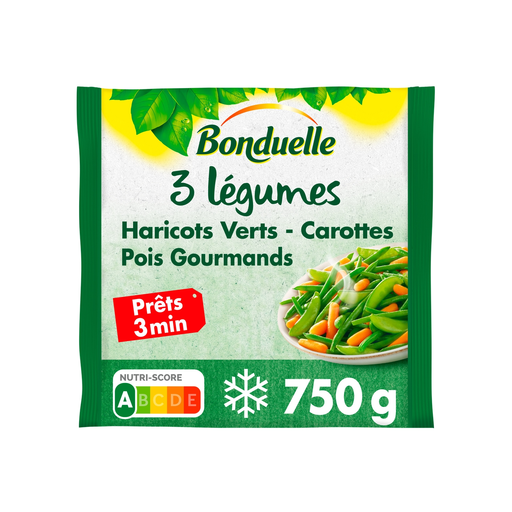 Image unavailable
Worth considering if you’d like several vegetables in one bag for your meals.
750 g pack. Check the cooking instructions and the label on the bag before use.
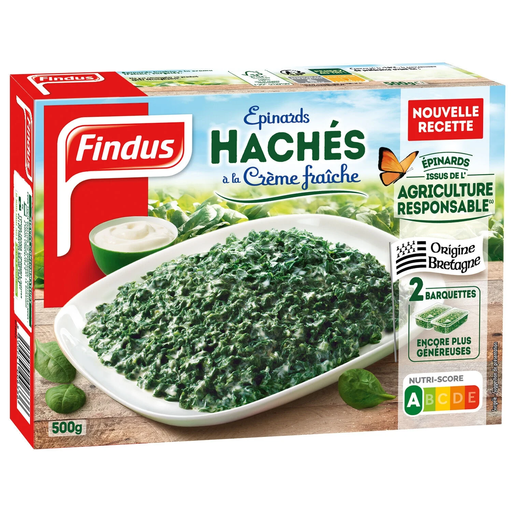 Image unavailable
Worth a look if you’d prefer a creamy spinach dish to plain spinach.
500 g pack. Check the ingredients, allergen information and cooking instructions on the packaging.
 Image unavailable
Worth considering if you’d rather cook one type of vegetable than choose a mix or ready-made recipe.
750 g pack. Follow the cooking instructions on the bag and check the allergen information if needed.
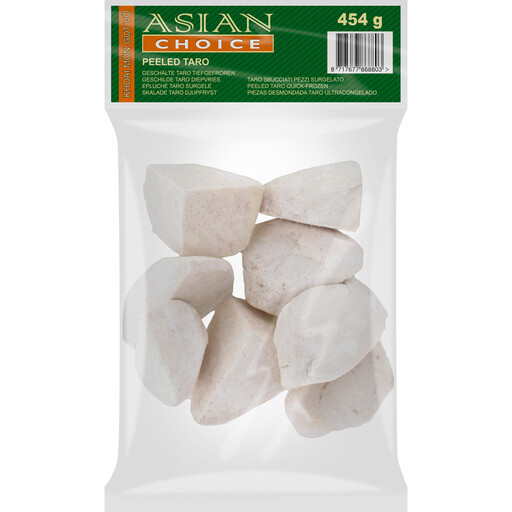 Image unavailable
Worth considering if you’re planning to cook taro and want a pack under 500 g.
454 g pack. Check the packaging for a suitable cooking method and don’t refreeze after defrosting.
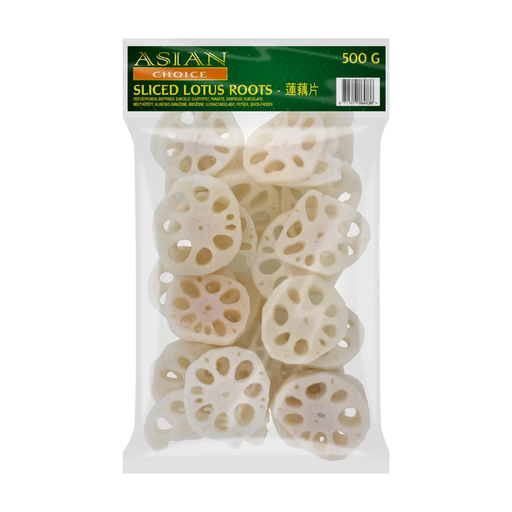 Image unavailable
Worth considering if you’d like to add sliced lotus root to a recipe you’re planning to make.
500 g pack. Check the cooking instructions on the packaging and don’t refreeze after defrosting.
Choose an amount you can store in your freezer and use in the meals you have planned. Check the net weight, then distinguish plain vegetables from dishes containing other ingredients.
Yes, for products whose instructions say you can. Carrefour gives this advice for one Carrefour Classic' product, for example. Always follow the instructions on the bag you’ve bought.
Pick them up at the end of your shop and carry them in an insulated bag, as Anses advises. Then put them in the freezer as soon as you can. Don’t refreeze food that has defrosted.
No. The DGCCRF states that displaying the Nutri-Score is voluntary. To find out what a product contains, also read its name, ingredients, allergen information and nutrition details.