For a Sunday meal, choose a large frozen dish if everyone can share the same recipe and the number of portions is right. Several smaller dishes give you more variety, but take more planning to cook. If you’re hosting a planned event, a catering service could also be an option, although storage requirements may differ. In every case, compare the recipe, label and portion sizes rather than relying on the word “premium”.
Which approach suits you?
Hosts who prefer a dish to share
Serving one main dish means fewer things to prepare at once. Picard, Carrefour and E.Leclerc list products weighing 900 g to 1 kg, but check the stated number of portions: weight alone doesn’t tell you how many people it will serve.
Diners with specific ingredient requirements
If ingredients or allergens determine your choice, check each product rather than relying on its range. The DGCCRF notes that the label on prepacked food includes details such as the ingredient list, net quantity and nutritional information.
Anyone planning a multi-course menu
You can choose your nibbles, starter and main separately: Auchan’s frozen range includes items such as canapés, tarts, quiches and ready meals. Before you buy, check that you can cook them in sequence using the equipment you have.
What should you check before buying?
First decide whether you’ll serve one recipe for everyone or several different dishes. Then check the stated portions, ingredients and cooking instructions against what your table needs. Compare catering orders for an event separately, and confirm collection and serving arrangements.
| What matters |
What to check before buying |
Who this matters to |
| Portions and serving |
Compare the stated number of portions with the number of diners, then check the cooking method. |
I want to serve one dish without running short; around 36% of consumers would put this shared need first. |
| Recipe ingredients |
Read the ingredients and check any origin or certification claims for the specific product. |
When I want to make a meal feel special, I want to know what’s really in the recipe, beyond what the packaging suggests. Ingredients would be the top priority for around 29% of consumers. |
| Dietary requirements |
Check the allergens and nutritional information for every dish you’re planning to serve. |
If someone needs to avoid certain ingredients, I need to be able to check every recipe before serving it; around 21% of consumers would put this suitability first. |
| Meal planning |
Confirm the collection slot and storage requirements, then compare the cooking instructions. |
I want to transport the frozen food and serve everything at the right time without juggling several dishes cooking at once; around 14% of consumers would put this organisation first. |
Mistakes to avoid
-
Assuming “premium” tells you about the recipe
The word doesn’t tell you what the ingredients or allergens are. An origin or certification claim shown on one product from Picard, for example, doesn’t apply to the brand’s other recipes.
Compare the labels on the products you’re considering, including the product name, ingredient list, net quantity and nutritional information.
-
Working out portions from weight alone
A 900 g bag or 1 kg tray doesn’t automatically serve a set number of people: the recipe and side dishes affect how much you’ll serve.
Check the stated portions for the product you’ve chosen and take the rest of the meal into account.
-
Putting a menu together without planning cooking times
Canapés, quiche and a main course may all need the oven at the same time, at different temperatures or for different lengths of time.
Check the instructions on each pack before buying and plan a cooking order that works with your equipment.
-
Overlooking the journey home after collection
The DGCCRF points out that an increase in temperature can encourage germs to multiply and make food unsafe. The collection slot offered may also depend on the store you choose.
Confirm your collection slot, pick up frozen food at the end of your shop and put it in the freezer promptly, following the storage instructions.
Brands to compare for this meal
The ranges listed by these retailers give you formats and menu ideas to compare; a feature shown for one product doesn’t apply to the whole range.
Picard
The Picard catalogue lists individual portions weighing 300 to 400 g and sharing dishes weighing 900 g to 1 kg.
- Recipes such as paella, lasagne and brandade offer options for different courses.
- Claims such as MSC certification or meat origin apply only to the products displaying them.
Carrefour
Carrefour’s range includes sharing dishes, individual portions, world cuisine and plant-based meals.
- Formats from 600 g to 1 kg and several ranges let you compare recipes designed for the same purpose.
- Check recipes and availability for your chosen store and date.
E.Leclerc
E.Leclerc’s Marque Repère range includes the Côté Table and Tables du Monde lines, with dishes weighing 300 g to 1 kg.
- The listed weights make it easier to compare a family-sized dish with an individual portion.
- A catalogue or customer reviews aren’t the same as a comparative taste test of the recipes.
Auchan
Auchan’s frozen range brings together nibbles, canapés, ready meals, tarts and quiches.
- These categories make it easy to plan a multi-course menu rather than serving just one main dish.
- Check availability at your chosen store or collection service.
Frozen dishes on Joybuy
These products suit a menu made up of smaller dishes or recipes served separately. The weight of each pack helps you plan your shopping, but check the stated portions before deciding how much to serve the whole table.
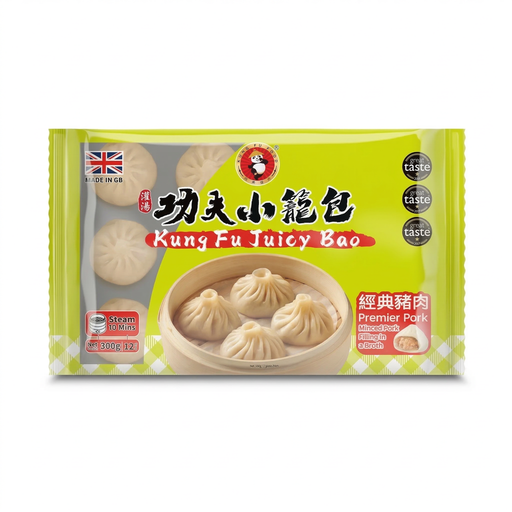 Image unavailable
KUNGFU Juicy Bao-Premier Pork, 300 g
Pork bao to consider as one of several dishes, rather than as a main course sized for the whole table.
300 g pack. Before planning your menu, check the number of pieces and portions, as well as the allergens and cooking instructions.
View on Joybuy
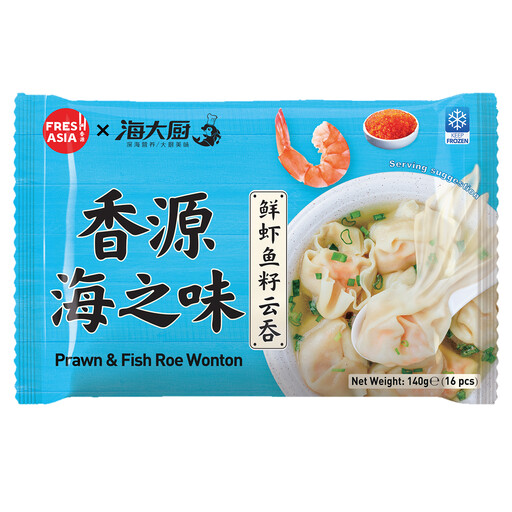 Image unavailable
Freshasia prawn and fish roe wontons, 140 g
A recipe to consider as part of a varied menu if you’d like to serve seafood wontons.
140 g pack. Check how many portions you’ll need for your guests and read the allergen information on the label.
View on Joybuy
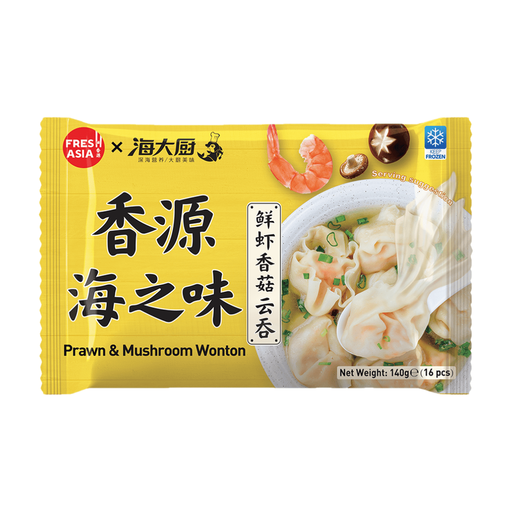 Image unavailable
FRESHASIA prawn and mushroom wontons, 140 g
Another wonton recipe to add variety to your menu, distinct from the version with fish roe.
140 g pack. Check the portions, allergens and full cooking instructions before planning how to serve them.
View on Joybuy
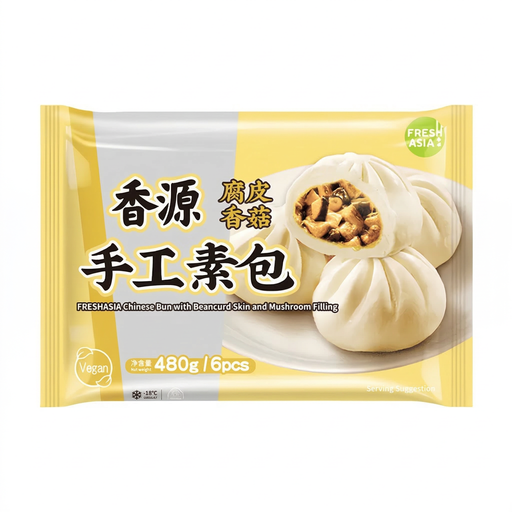 Image unavailable
FRESHASIA Chinese buns with tofu skin and mushrooms, 480 g
These buns offer a different recipe to add to a meal made up of several dishes; the name alone isn’t enough to establish a dietary claim such as “vegetarian”.
480 g pack. Check the number of pieces and portions, and read the full ingredient list on the packaging.
View on Joybuy
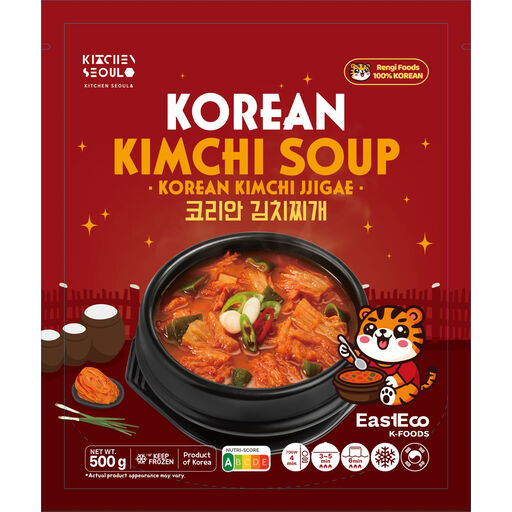 Image unavailable
EastEco Rengi's Korean kimchi soup (Jijigae), 500 g
A soup to consider as part of a multi-course menu, without assuming it will be enough as a main course on its own.
500 g pack. Check the number of portions, allergens and cooking time stated on the packaging.
View on Joybuy
Frequently asked questions
How do I compare two frozen dishes labelled “premium”?
Compare the products themselves, not just the name of the range. According to the DGCCRF, labels on prepacked food include details such as the product name, ingredients, net quantity and nutritional information. Check the allergens and stated portions too. If the Nutri-Score appears on the packaging, remember that it’s a voluntary label and doesn’t replace this information.
Will a 900 g or 1 kg frozen dish be enough for my table?
Not necessarily: weight alone doesn’t tell you how many people a dish will serve. Picard, Carrefour and E.Leclerc catalogues include formats from 900 g to 1 kg. Check the number of portions for the recipe you’ve chosen and take any starters and side dishes into account.
What should I check before collecting frozen food for Sunday?
First confirm the store, product availability and collection slot on offer. E.Leclerc notes that collection arrangements can vary by drive-through collection point; then plan a journey that lets you put the products in the freezer promptly.
How should I store frozen dishes after buying them?
Follow the storage instructions on each pack and keep the time out of the freezer to a minimum. The DGCCRF points out that a rise in temperature can encourage germs to multiply and make food unsafe.


