Families sharing lunch
You’re looking for a main course for several people during the school holidays. The pack weight, stated number of portions and cooking method matter just as much as the recipe.


For a meal to share, choose a frozen dish based on the number of people eating and the portions stated on the pack. If everyone would prefer a different recipe, smaller formats give you more flexibility. If a recipe is presented as more premium, focus on its ingredients, allergens, nutritional information and cooking instructions rather than its name.
You’re looking for a main course for several people during the school holidays. The pack weight, stated number of portions and cooking method matter just as much as the recipe.
Individual portions make it easier to choose several recipes for the same table. Check the ingredients and allergens in each one if your guests have different dietary needs.
You’re looking for a particular ingredient or feature for a special lunch. The ingredient list and product-specific information will help you understand what the product description really means.
Start by working out how much food you need, then check the recipe and how to prepare it. A large dish to share and several small portions don’t meet the same needs.
| What to consider | What to check | Who it matters to |
|---|---|---|
| Number of portions | Compare the net weight and stated number of portions with the number of people eating. | When several people are having lunch together, I want to make sure there’s enough food without buying more portions than we need; around 36% of shoppers prioritise getting the meal size right. |
| Ingredients and allergens | Read the ingredients, highlighted allergens and nutritional information for the recipe you choose. | If someone at the table needs to avoid an ingredient, I need to be able to check every recipe before serving it; around 29% of shoppers prioritise dietary suitability. |
| Flexible preparation | Check the cooking method and time, as well as how much to allow per person. | When people’s schedules or tastes differ, I’d rather be able to prepare separate portions without making lunch more complicated; around 21% of shoppers prioritise this flexibility. |
| Quantity to buy and availability | Work out how many packs you need and check that the recipe is available at your chosen shop or for your chosen delivery or collection option. | When planning lunch, I want to find the recipe I’ve chosen and buy the right amount; around 14% of shoppers prioritise being able to plan their purchase. |
A flattering product name alone doesn’t tell you about the ingredients, allergens or nutritional values in the recipe.
Compare the labels of the products you’re considering. If a Nutri-Score is shown, use it as additional information, but don’t let it replace checking the ingredients and nutritional values.
A 300 g tray and a 1 kg dish won’t necessarily serve the same number of people. Weight alone also can’t tell you how much each person will eat.
Check the stated portions and work out how many packs you’ll need for lunch, taking into account any other food you’re planning to serve.
Some recipes are only available for a limited time or at selected shops. Lidl, for example, lists product launch dates on its product pages.
Check that the product is available at your chosen shop or for your chosen delivery or collection option before planning lunch around it.
The DGCCRF notes that a rise in temperature speeds up the growth of microbes. The Ministry of Agriculture says that refreezing a defrosted product encourages bacteria to multiply.
Pick up frozen food at the end of your shop, keep it cold on the way home and follow the storage instructions on the packaging. Do not refreeze a defrosted product.
These retailers offer useful points of comparison for different formats and types of recipe. Check the range at the shop or on the delivery or collection service you plan to use.
A frozen-food specialist where you can compare individual and family-sized ready meals, as well as more elaborate recipes.
A range where you can browse individual ready meals, dishes to share and plant-based recipes.
A retailer to consider for large own-brand ready meals, particularly in the Côté Table and Tables du Monde ranges.
A range you can browse by dish type and, depending on the interface, by number of portions or Nutri-Score.
A retailer to consider if you’re happy to choose a recipe based on what’s available in store.
Another retailer where you can look for prepared meals in the frozen food aisle, depending on the shop’s selection.
This selection includes lasagne in different formats, a soup, a pizza to share and filled buns. For the lunch you have in mind, start by choosing the type of meal, then check the portions, allergens and preparation instructions for each product.
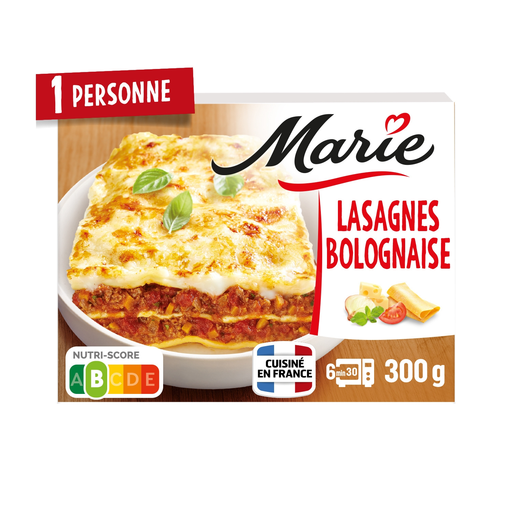 Image unavailable
This 300 g format is worth considering if you want to serve an individual lasagne. Check the portions, allergens and cooking instructions on the packaging before adding it to your lunch menu.
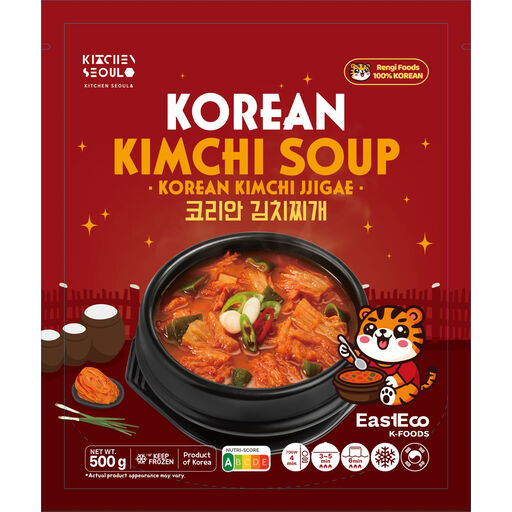 Image unavailable
This 500 g soup could be part of a lunch made up of several dishes. Check the number of portions, allergens and preparation method before planning the other food for your meal.
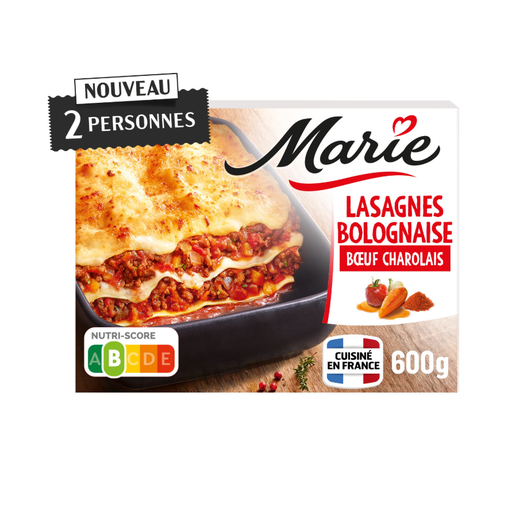 Image unavailable
The 600 g pack is an option if you’d rather serve one lasagne than buy several 300 g trays. Check the stated portions, allergens and cooking instructions for this product to decide whether it’s suitable for your guests.
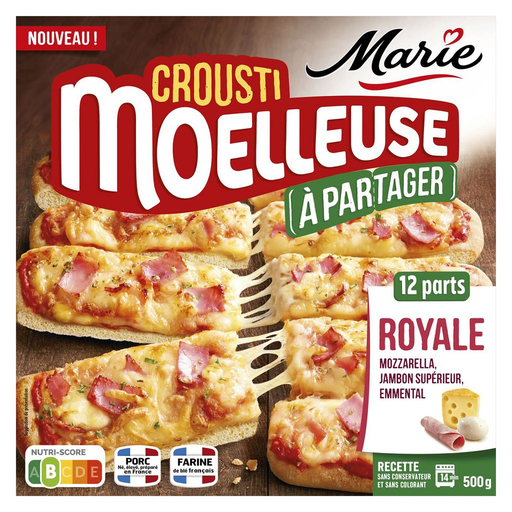 Image unavailable
This 500 g pizza is described as a sharing size. Before planning the rest of lunch, check how many portions will suit your table, along with the allergens and cooking instructions.
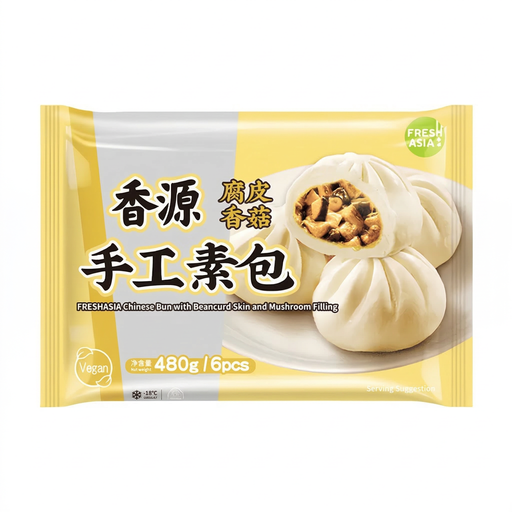 Image unavailable
These 480 g filled buns offer an alternative to a family-sized dish that needs portioning. Check how many buns are in the pack, along with the allergens and preparation instructions, to plan your lunch.
Look at the specific recipe rather than its label. Compare the ingredients, allergens, nutritional values, weight and stated portions. If there’s a Nutri-Score on the pack, it provides additional information, but it doesn’t tell you everything about these features on its own.
In France, the DGCCRF says that labels must include details such as the product name, ingredients, net quantity and nutritional information. Allergenic ingredients must be highlighted. Also check the date and the storage and preparation instructions for the product you buy.
Pick them up at the end of your shop and keep them cold on the journey home to the freezer, following the instructions on the packaging. The DGCCRF notes that a rise in temperature speeds up the growth of microbes.
Do not refreeze a defrosted product. The Ministry of Agriculture explains that refreezing encourages bacteria to multiply. Follow the storage instructions on the product.