
Livraison le jour même ou le lendemain

Qualité garantie

Débloquez vos offres de bienvenue: Livraison GRATUITE | Jusqu'à -80 % | 30 jours d'essai gratuits à JoyPlus
Téléchargez l'application
With so many frozen salmon fillet options on the shelves, it can be hard to know where to start. Between wild salmon, organic salmon, and the various labels and origins, making an informed choice requires a bit of insight. As a Product Recommendation Manager at Joybuy, my role is to provide you with clear, practical guidance to help you select products that meet your expectations for taste, quality, and convenience, without being swayed by marketing jargon.
This guide is designed to help you better understand what you're buying and to present a selection of excellent products for your everyday meals.
A few key points are useful for navigating the world of frozen salmon. Here are three simple criteria to keep in mind during your next online purchase.
Certifications are reliable indicators of the fish's farming or fishing conditions.
The choice between wild and farmed salmon mainly depends on your personal preferences.
A clear label is a sign of transparency. Take the time to check:
Taking these criteria into account, here are two products that stand out for their quality and traceability.
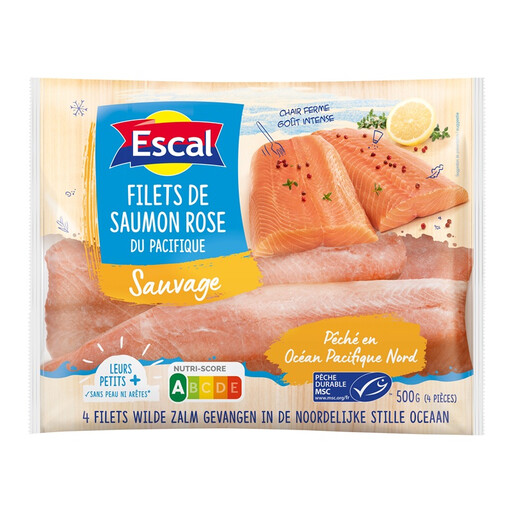
Why We Recommend It
This product is an excellent option for fans of wild salmon. The MSC certification attests to a commitment to sustainable fishing, an increasingly important criterion for many consumers. Pacific pink salmon is known for its leaner flesh and authentic flavour, making it a superb choice for light and healthy recipes.
Benefits
Who Is This Product For?
This frozen salmon fillet is particularly suitable for consumers who are conscious of their products' origins and prefer the more pronounced texture and taste of wild fish. It is an excellent ingredient for those looking to incorporate a quality protein source from a responsible supply chain.
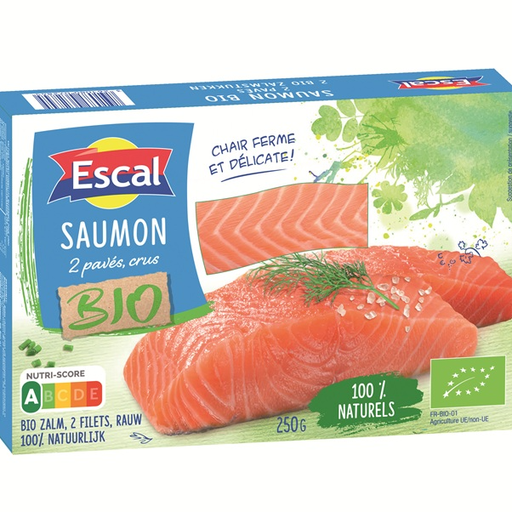
Why We Recommend It
For those who prefer the tenderness and richness of farmed salmon, this organic option from ESCAL is a quality choice. Sourced from organic aquaculture farms in Ireland or Norway, this salmon guarantees traceability and respectful farming conditions. Its succulent flesh is perfect for gourmet dishes.
Benefits
Who Is This Product For?
This frozen organic salmon is for families and individuals looking for a product that is indulgent, healthy, and convenient. Its mild flavour and rich texture make it an easy fish to cook that everyone, including children, will enjoy. It's an ideal base for balanced and delicious meals.
While salmon is a staple, the world of frozen seafood is vast and full of other flavours to explore. Cod for its delicate white flesh, tuna for its firm texture, or even prawns for their versatility are all great alternatives to vary your meals and nutritional intake.
Feel free to browse our complete selection to find inspiration for your next meals.
? Explore our full range of frozen fish
Yes, it is highly recommended to thaw the frozen salmon fillet before cooking. This ensures more even cooking and prevents the outside from being overcooked while the inside is still cold. The safest method is to let the salmon thaw slowly in the refrigerator for several hours or overnight. Once thawed, it should be consumed within 24 hours.
Although the terms are often used interchangeably, there is a nuance. A fillet generally refers to an entire side of the fish, cut lengthwise. A frozen salmon loin is a thicker portion, often skinless and boneless, cut from the meatiest part of the fillet. The loin is ideal for even cooking in the oven or a pan.