Households sharing meals
You’re looking at family-size packs and how many portions they actually serve, while searching for a recipe your guests will enjoy.


When choosing frozen ready meals for a premium food shop, start with the number of people eating and how much you’re likely to use. Then compare similar recipes, their ingredients and nutritional information. A larger pack means planning how to portion and store the meal, while an individual portion means you won’t have to share it — as long as it’s enough for your meal.
You’re looking at family-size packs and how many portions they actually serve, while searching for a recipe your guests will enjoy.
You’re looking for an individual portion or something simple to prepare, without being left with an opened meal you can’t finish.
You compare the range of meals, their ingredients, allergens and nutritional values rather than judging by appearance alone.
First, choose a quantity that suits the meal you have planned. Then check the recipe, how it’s prepared and the information on the packaging.
| Criteria | What to check | Who is it for? |
|---|---|---|
| Quantity and portions | The net weight and stated number of portions, compared with the number of people eating. | When several people are sharing a meal, I want to know how much will actually be served. Around 31% of shoppers are thought to prioritise getting the portions right. |
| Recipe and variety | The product name and ingredient list for comparable recipes. | If I like to vary my meals, I want to understand what sets two recipes apart before choosing. The recipe is thought to be the main deciding factor for around 25% of shoppers. |
| Preparation and leftovers | How to prepare the meal and what to do after opening or defrosting. | For a meal on my own, I prefer a pack I can prepare and finish easily. Around 19% of shoppers are thought to prioritise this convenience. |
| Ingredients and storage | Allergens, nutritional values per 100 g and storage instructions. | If I need to avoid an ingredient or plan how to transport frozen food, this information takes priority over the pack size. It is thought to be a priority for around 25% of shoppers. |
Individual portions and larger packs are designed for different numbers of meals.
Check the net weight and stated portions, then consider how much you’ll actually eat.
You may have some of the meal left after eating. Anses recommends eating defrosted food promptly and not refreezing it.
Choose a pack you can serve and store according to the instructions on the packaging.
Similar-looking recipes can have different ingredients. In France, the DGCCRF says allergens must be highlighted on the label.
Before you buy, read the ingredient list and allergen information for the product you’ve chosen.
The retailer offers individual and sharing-size frozen ready meals, along with a range of recipes.
The Eco+ range is worth considering if you’re looking for a large pack of frozen ready meals.
Its range separates individual meals, family-size packs and quick-cook meals.
Its frozen products featured online may be part of limited-time offers.
The retailer offers ready meals that you can assess product by product.
This frozen food specialist offers a range of recipes and ready-meal sizes.
These products give you a choice of three different dishes — gimbap, soup and stuffed buns — to suit the amount you need and how you plan to prepare your meal.
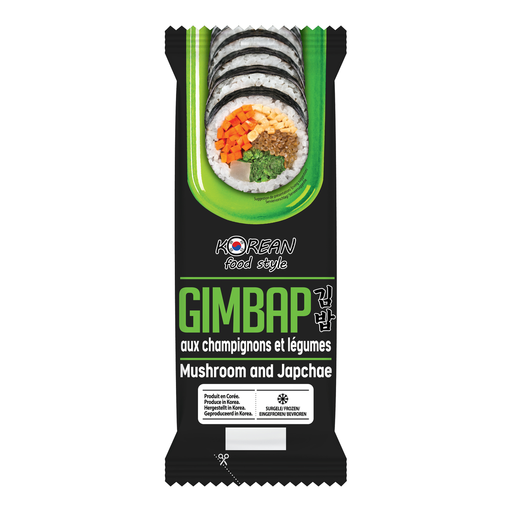 Image unavailable
Consider this for a quick meal if 230 g is the right amount for you. Check the defrosting instructions and number of portions before adding it to your menu.
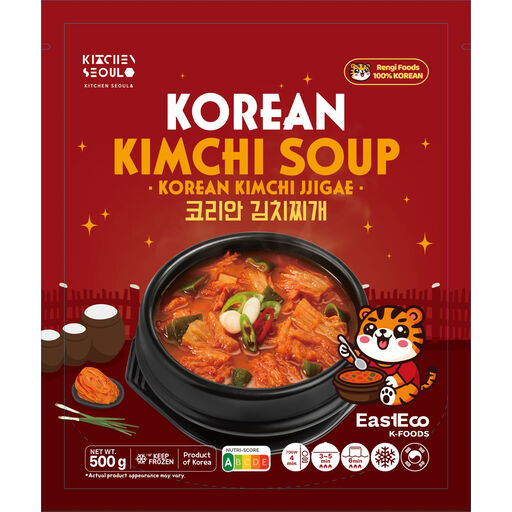 Image unavailable
This 500 g soup could be part of a quick meal. Check the cooking instructions and decide how many portions you plan to serve.
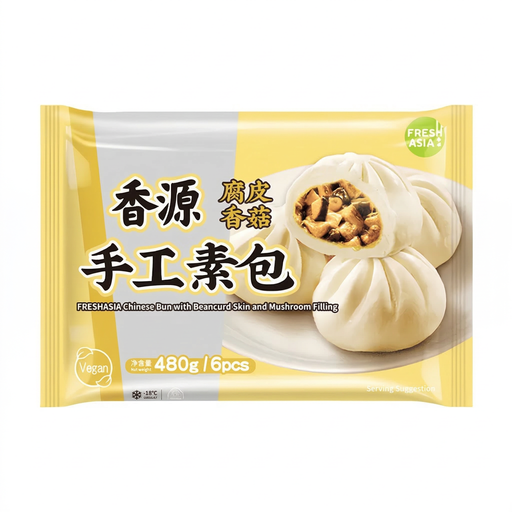 Image unavailable
This 480 g pack is for anyone looking to prepare stuffed buns. Follow the cooking instructions and check how much to serve each person.
Check the product name, net quantity, ingredients, allergens and nutritional information. For pre-packed products sold in France, the DGCCRF says allergens must be highlighted. Also check the date and the product’s storage instructions.
No. It doesn’t replace checking the ingredients, allergens or how much you’ll serve. To compare the nutritional values of two similar meals, use the same basis for both, such as the information per 100 g in the nutrition declaration.
Anses recommends not refreezing food once it has defrosted and eating it promptly. Also follow the defrosting and storage instructions on the packaging.
Pick up frozen food towards the end of your shop and minimise the time between leaving the store and putting it away at home to keep it cold. An insulated bag can help on the journey; once home, follow the product’s storage instructions.