People mindful of portion sizes
To plan a meal without buying too many portions, compare the net weight and suggested number of servings with the number of people you’re feeding.


For a winter meal, choose a size that suits the number of people you’re serving. An individual pizza can help avoid leftovers, while a larger one is ideal for sharing if the portions suit your meal. Then check the cooking instructions, ingredients, allergens and nutritional information for the specific pizza you’re considering.
To plan a meal without buying too many portions, compare the net weight and suggested number of servings with the number of people you’re feeding.
An individual size may be a better fit for a meal on your own. Check the cooking instructions too, as preparation methods vary between pizzas.
To choose a pizza that suits your dietary requirements, check the ingredients and allergens for each product, then distinguish between the nutritional values per 100 g and those for the portion you’ll eat.
First work out how much you need and what cooking equipment you have, then check the ingredients in the pizza you’ve chosen.
| What to consider | What to check | Who is it for? |
|---|---|---|
| Quantity and portions | The net weight and the number of portions you plan to serve. | If I want to buy the right amount for the meal without ending up with leftovers, size matters more than how large the box looks. Around 42% of consumers prioritise this. |
| Size and cooking method | The number of people you’re feeding and the cooking method specified for that product. | Whether I’m eating alone or sharing, I need a size I can prepare with the equipment I have. Around 33% of consumers put this first. |
| Ingredients and allergens | The ingredients, highlighted allergens and nutritional values per 100 g. | Before choosing a pizza, I want to know whether its ingredients suit my dietary requirements. This is the priority for around 25% of consumers. |
Two packs may contain pizzas of different weights. A large box doesn’t, by itself, tell you how many people you can feed.
Check the net weight and work out how many portions you’ll need before choosing.
An individual pizza doesn’t necessarily cook in the same way as an oven pizza. The cooking method depends on the specific product.
Check the instructions and cooking time on the pack, as well as the equipment you have available.
Ingredients and allergens vary from one pizza to another, even within the same brand. The DGCCRF reminds shoppers that allergenic ingredients must be clearly highlighted on food labels.
Check the ingredients list and allergen information for the specific product you’re considering.
Keeping frozen food cold is an important part of storing it safely. The Ministry of Agriculture gives −18 °C as the recommended temperature for frozen storage.
Put the pizza in the freezer promptly and follow the storage and defrosting instructions.
Carrefour Original and Carrefour Sensation ranges offer examples of sizes and pizzas to consider, depending on the meal you’re planning.
The retailer offers individual pizzas and mini pizzas, among other options.
The Ristorante range may appeal if you’re looking for a specific pizza to cook in the oven.
Piccolinis are mini pizzas worth considering if you’d like to serve several smaller pieces.
E.Leclerc offers click and collect, pedestrian collection and delivery, so you can put together a frozen-food shop using the service that suits you.
Lidl has a category that brings together frozen pizzas and snacks.
These products show a few ways to plan a winter meal: mini pizzas to share out, pizzas in different weights, and flavours to choose according to their ingredients and cooking method.
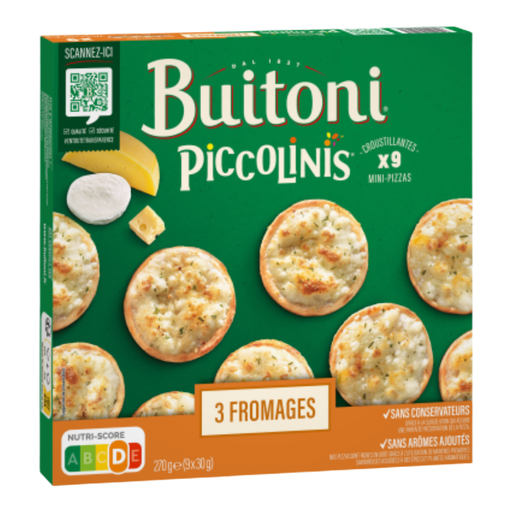 Image unavailable
The pack contains nine small pieces, so you can divide the portions between your guests. It weighs 270 g in total; check the cooking instructions for this product.
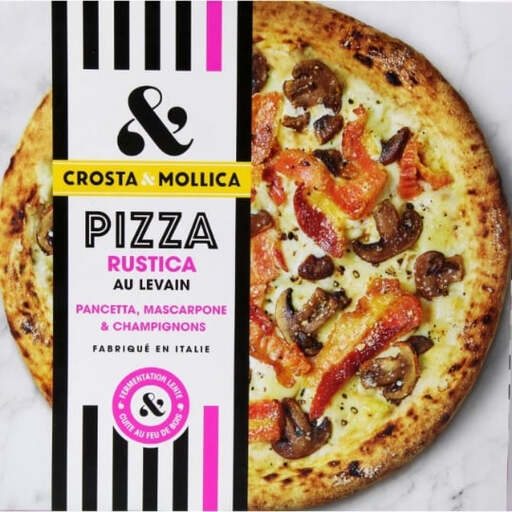 Image unavailable
If you’re thinking of sharing this pizza, consider how its 444 g weight works for the portions you want to serve. Check the toppings and cooking instructions before preparing it.
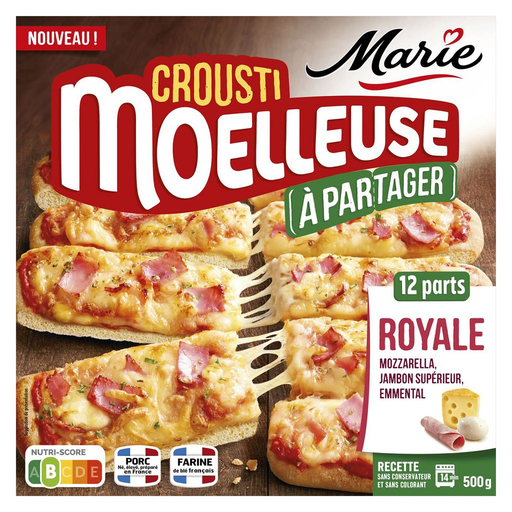 Image unavailable
This pizza is described as suitable for sharing and weighs 500 g. Divide it according to the number of people you’re serving and their appetites. Check the ingredients and cooking instructions on the pack.
 Image unavailable
If you’re looking for Ristorante Vegetable, check that its 385 g weight suits the portions you have in mind. Read the ingredients list and cooking instructions for this product.
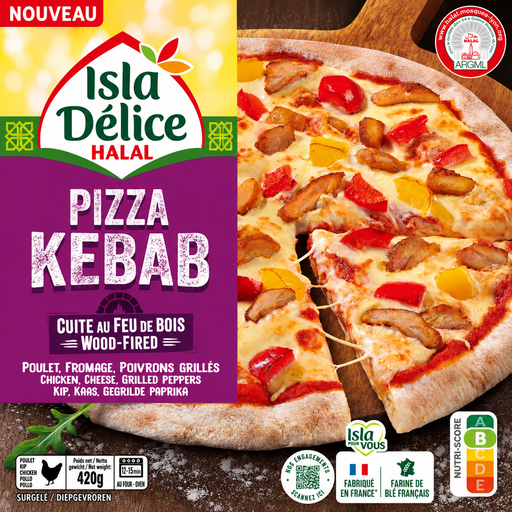 Image unavailable
To choose this kebab and pepper pizza, compare its 440 g weight with the number of portions you need. Read the ingredients and cooking instructions before buying.
Check the net weight, ingredients, allergens and nutritional information, followed by the storage and cooking instructions. To compare what you’ll eat, distinguish between the values per 100 g and the amount you’ll actually serve.
The Ministry of Agriculture gives −18 °C as the recommended temperature for frozen storage. Follow the storage instructions on your pizza’s packaging.
Follow the instructions for the specific product, and don’t refreeze it if the packaging says not to. Make sure it stays cold during transport and storage, too.
Check the ingredients list and highlighted allergens on the specific product, along with any warnings about possible traces. The DGCCRF reminds shoppers that allergenic ingredients must be clearly highlighted on food labels; the name of a pizza isn’t a substitute for checking.