Fans of individual pizzas with detailed recipes
You want to know the type of dough, the stated cooking method, what the toppings are made of and the weight before choosing your pizza.


To order a frozen pizza with a more carefully crafted recipe, first choose a size that suits the meal, then compare the dough, toppings and ingredients of the exact product. Stone-baking or triple-fermented dough describes a stated process, not a guarantee of taste: check the allergens too, along with availability for your order and storage instructions.
You want to know the type of dough, the stated cooking method, what the toppings are made of and the weight before choosing your pizza.
You’re choosing between one large pizza and several smaller ones. Net weight, the number of pizzas in the box and your guests’ preferences can all help you decide.
You compare the ingredients and allergens in each variant. In particular, a recipe described as plant-based may contain cheese, making it unsuitable for a vegan diet or a milk allergy.
Decide what kind of meal you’re planning and check your guests’ dietary requirements. Then compare the recipes and confirm how the frozen product will be delivered.
| Criteria | What to check | Who is it for? |
|---|---|---|
| Dough and toppings | Type of dough and stated process; ingredients in the toppings. | If I’m mainly looking for a pizza with clearly described dough and toppings, I compare the recipes rather than relying on the word “premium” alone. Around 36% of consumers would put this criterion first. |
| Size | Net weight and number of pieces; serving suggestions, where provided. | If I’m serving several people, I need to choose between one large pizza and mini pizzas based on how I plan to serve the dish. Size would be the top priority for around 29% of consumers. |
| Ingredients | Ingredients and allergen information for the exact variant; nutritional values per 100 g if you want to compare recipes. | If the presence of meat, milk or an allergen affects my choice, the recipe name alone isn’t enough. Around 21% of consumers would put ingredients ahead of other criteria. |
| Ordering and storage | Availability for your chosen slot; the condition of the frozen product on arrival and the temperature stated on the packaging. | To receive the product I’ve chosen and store it as instructed, I pay attention to both the order and the delivery. Around 14% of consumers would put this concern first. |
Triple fermentation or stone-baking are processes stated for certain products; on their own, they don’t tell you whether you’ll enjoy the dough or toppings.
Compare the type of dough, ingredients, weight and nutritional values of the pizzas you’re interested in.
A whole pizza and a box of mini pizzas suit different occasions, even when both are described as options for sharing.
Decide whether the pizza will be the main course or a starter, then check the net weight and number of pieces.
The Dr. Oetker Ristorante plant-based pizza described by Joybuy contains mozzarella, Edam and gluten; its product details also mention possible traces of soya and mustard.
Read the ingredients and allergen information for the variant you add to your basket.
The range may vary by store and delivery slot. A substitute recipe may also differ in weight or allergens.
Confirm which product is available after choosing your order options, and check any substitution before accepting it.
The products covered include Ristorante pizzas, Piccolissima mini pizzas and the 424 g Suprema 5 Fromages. Triple-fermented dough and stone-baking are stated features of this particular product.
The ranges found at Carrefour include La Grandiosa, Bella Pinsa and sharing-size options. The documented La Grandiosa 4 Formaggi weighs 570 g.
The range covered includes a 400 g 4 Stagioni pizza and a Royale pizza; their product listings describe them as stone-baked.
The Auchan category features pizzas from Auchan, Auchan Bio and Tavola in Italia, with filters for thin crust, thick crust and mini pizzas.
The range shown by E.Leclerc includes Turini pizzas, including pinsas, stone-baked recipes and large sizes.
These cheese pizzas and sharing-size options let you compare recipes and weights, as well as the number of pieces in the mini pizzas. Choose a variant to suit your meal, and check its ingredients and storage instructions before ordering.
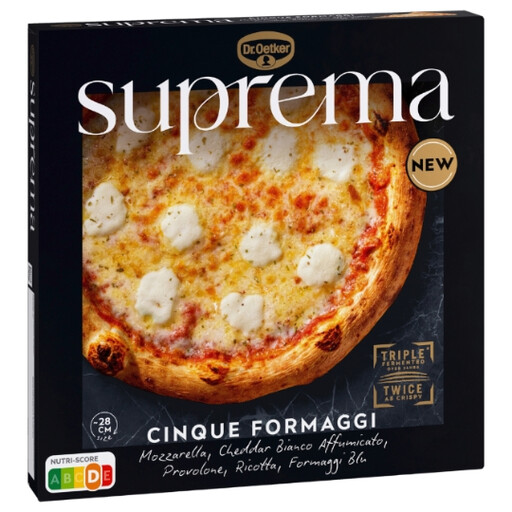 Image unavailable
Worth comparing if you’re looking for a pizza with clearly described dough and toppings. Auchan and Joybuy listings state that this 424 g product is made with triple-fermented dough, stone-baked and topped with five cheeses.
The listing says it contains gluten and milk, and may contain soya and mustard. Check the labelling of the variant you order.
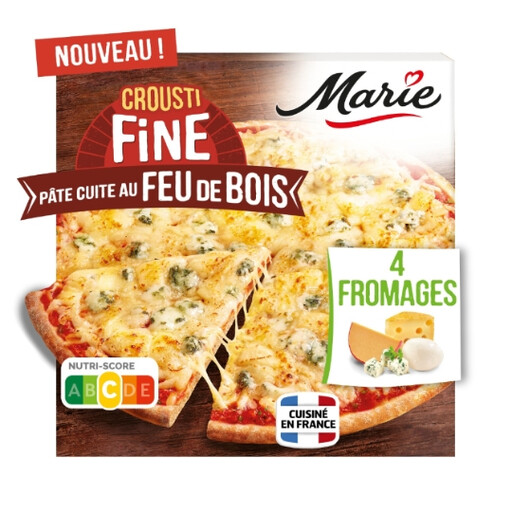 Image unavailable
Consider this if you’d like to compare a thin-crust four-cheese pizza with other cheese recipes. The name of this variant indicates that it is wood-fired and weighs 390 g.
It contains gluten and milk; check the labelling if the allergens listed for this variant are relevant to you.
 Image unavailable
Its 480 g size is worth comparing with other pizzas if you’re planning to share. The variant name indicates a six-cheese topping, but the weight alone won’t tell you how many portions will suit your guests.
It contains gluten and milk and may contain celery; check the labelling before serving it to anyone affected.
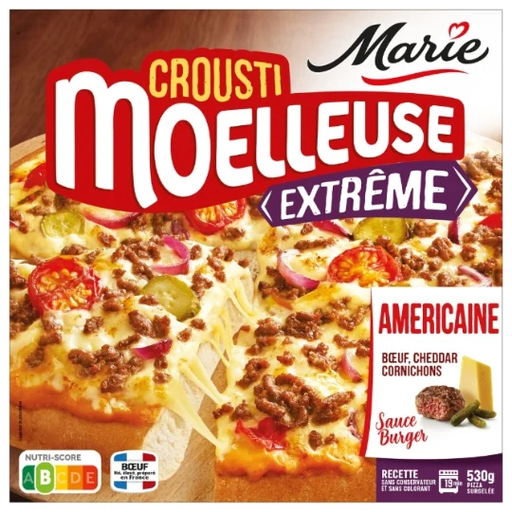 Image unavailable
Worth comparing for a shared meal if a 530 g pizza suits your table. The name identifies the Soft & Crispy variant; check the ingredients rather than guessing the toppings from the name alone.
It contains gluten and milk. Check the labelling for other allergen information if it’s relevant to your guests.
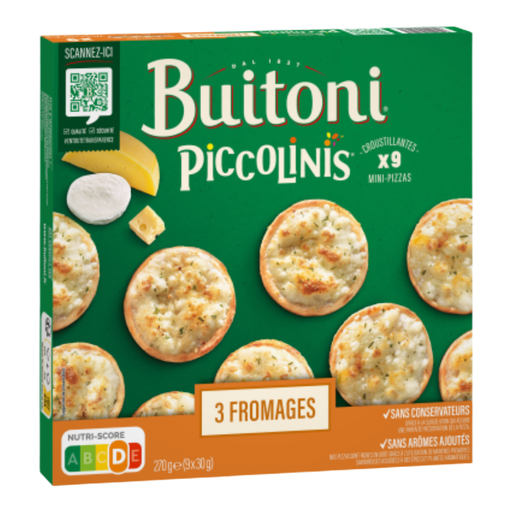 Image unavailable
This pack of nine mini pizzas lets you serve several smaller pieces instead of one whole pizza. Compare its total weight of 270 g and toppings with your guests’ needs, particularly if these are to make up the main course.
This variant contains milk and wheat; its labelling also mentions the possible presence of other allergens, so check whether these are relevant to your guests.
Check that you’ve received the right product, inspect its condition and read the storage instructions on the packaging. Then put it straight into a suitable freezer. The Ministry of Agriculture states that the reference temperature for frozen food is −18 °C; however, the pizza’s appearance alone won’t tell you its temperature throughout delivery.
Don’t refreeze it if the label says not to after defrosting, as is the case for the products described in the listings consulted. If the pizza appears to have thawed on arrival, contact the seller rather than simply putting it back in the freezer.
Not necessarily: the Dr. Oetker Ristorante plant-based pizza described by Joybuy contains mozzarella, Edam, cream and gluten. Check the ingredients and allergen information for the exact variant before ordering.