People who compare fat content first
You want to compare recipes per 100 g, without assuming they are lower in fat based on their name or toppings. The figures for the exact product matter more than the impression created by the packaging.


When comparing frozen pizzas as part of weight management, check the fat per 100 g, then consider how much you plan to eat. A vegetable topping, thin crust or ‘light’ label does not prove that a pizza is lower in fat. Check the energy and salt content of your portion too; the right choice depends on the specific recipe and the amount you serve.
You want to compare recipes per 100 g, without assuming they are lower in fat based on their name or toppings. The figures for the exact product matter more than the impression created by the packaging.
If you often eat a whole pizza, its weight and the nutritional values for the amount you serve tell you more than the ‘per 100 g’ column alone.
You want to be able to cook a frozen pizza with your equipment, while checking the salt, allergens, and product-specific cooking and storage instructions.
First compare recipes like for like, then work out the nutritional values for the portion you plan to serve.
| Criteria | What to check when buying | Who it’s for |
|---|---|---|
| Fat | Compare the fat and saturated fat per 100 g in the recipes you are considering. | I want to choose based on fat content first, without assuming a vegetable pizza or thin-crust pizza is lower in fat. Around 50% of consumers prioritise this criterion. |
| Portion and energy | Check the net weight and kcal per 100 g, then calculate the values for the amount you plan to eat. | If I might eat the whole pizza, I need to know what my meal actually adds up to. Portion size is the top priority for around 30% of consumers. |
| Preparation and salt | Check the ‘salt’ line, allergens, and cooking and storage instructions on the packaging. | I’m looking for a pizza that’s easy to cook with my equipment, without overlooking salt or storage. These are the top priorities for around 20% of consumers. |
These descriptions don’t tell you the nutritional content of the recipe. The French Directorate-General for Competition Policy, Consumer Affairs and Fraud Control also notes that nutrition claims are regulated.
If a ‘reduced fat’ claim is influencing your choice, check its exact wording. In all cases, compare the per 100 g values of the pizzas you are interested in.
Weight affects the total you consume: Dr. Oetker lists 865 kcal for its 355 g Ristorante Mozzarella pizza.
Decide how much you’ll serve, then use its weight to read or calculate the corresponding nutritional values.
According to Auchan’s product information, its 200 g four-cheese pizza contains 2.1 g of salt and 20 g of fat per pizza. An individual size tells you about the quantity, but not the ingredients or nutritional content by itself.
Compare salt and saturated fat too when choosing between recipes.
ANSES says that poor storage or a break in the cold chain can encourage bacteria to grow.
Follow the transport, storage and cooking instructions on the packaging. Don’t refreeze a thawed pizza if the instructions say not to.
The nutritional values of one pizza don’t apply to every recipe from the same brand. Always check the specific product and portion you’re considering.
The Ristorante range includes several recipes, each with its own toppings and nutritional values to check.
Carrefour’s range lets you compare a Margherita with other toppings from the brand.
The TURINI grilled vegetable pizza is an example of a recipe to assess alongside its total weight.
An individual size can help you decide how much to serve, as long as you check the recipe too.
Buitoni pizzas are available in Auchan’s frozen food aisle, including cheese Piccolinis.
Lidl France has a category for frozen pizzas and snacks; each pizza should be assessed using its own label.
This selection includes Margherita pizzas, a vegetable option, and mini or individual sizes. Compare their nutritional information with the amount you plan to serve. Their inclusion here doesn’t mean they carry a ‘reduced fat’ claim.
 Image unavailable
The mini size lets you choose how many pizzas to serve; the pack weighs 270 g. Check the packaging to work out the nutritional values for the amount you choose and to find the cooking instructions.
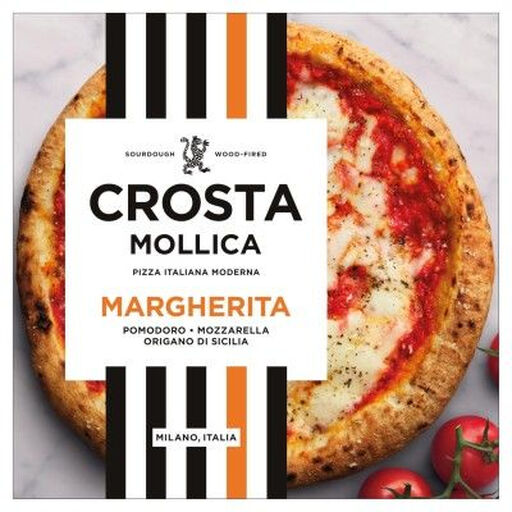 Image unavailable
At 403 g, this Margherita is better suited to comparing portions than making a decision based on the whole pizza. Check the values for the amount you serve and the cooking instructions on the packaging.
 Image unavailable
This 385 g vegetable pizza gives you a different topping to compare with a Margherita. Don’t assume it’s lower in fat because it contains vegetables: check the label and decide how much to serve.
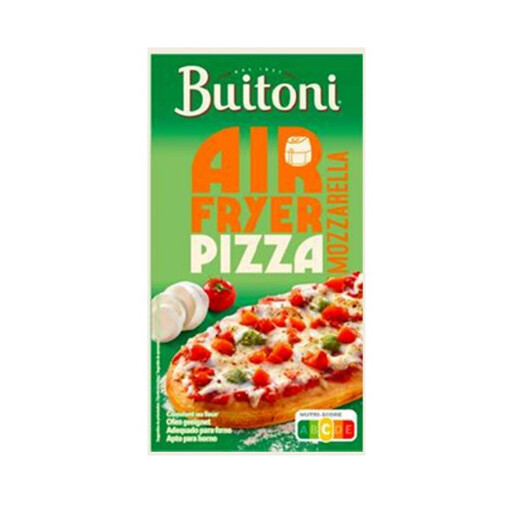 Image unavailable
This 195 g size is worth considering if you’re looking for a pizza designed for an air fryer. Follow the cooking settings on the packaging and compare its nutritional values with those of the other recipes you’re considering.
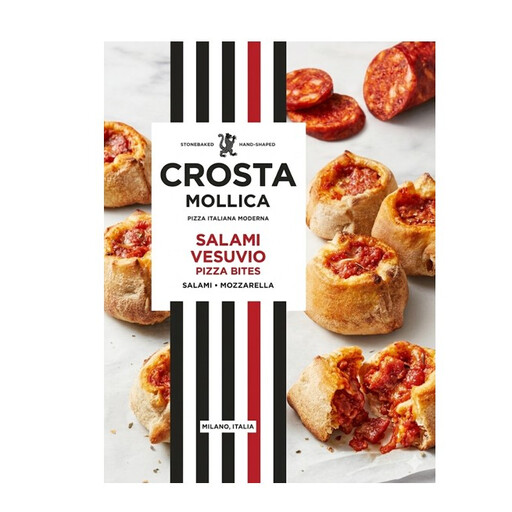 Image unavailable
These mini salami pizzas let you choose how many to serve from a 270 g pack. Check the label for the nutritional values per portion, especially the salt content, as well as the cooking instructions.
No. This claim alone doesn’t tell you the energy content of your portion or how much you’ll eat. Nutrition claims are regulated under EU law. When choosing, also consider the amount you serve, the fat content and the other nutritional information for the recipe.
Use the per 100 g values to compare recipes like for like, then check the portion values to assess what you’ll eat. For example, Dr. Oetker lists 42 g of fat for a whole 355 g Ristorante Mozzarella pizza.
No. Vegetable toppings alone don’t tell you the fat content. E.Leclerc lists 7.0 g per 100 g for its TURINI grilled vegetable pizza. For another product, check its own label and consider the amount you serve.
No. If displayed, Nutri-Score is an additional guide, not a measure of your portion. Also compare fat, saturated fat, salt, energy, allergens and the amount you plan to eat.
Keep it cold and follow the product’s storage and cooking instructions. ANSES notes that poor storage can encourage bacteria to grow. Also check the packaging instructions before refreezing.