Organisers of a rolling buffet
If guests will help themselves throughout the event, small portions and a range of recipes can make serving easier. Compare mini pizzas with smaller formats, taking the pace of cooking batches into account.


For a village fête, choose the format to suit the way you’ll serve the food: mini pizzas for a buffet with small portions, or sharing pizzas if you plan to serve slices. Then work out how much you need based on the weight and number of pieces. Don’t forget to label the different recipes, make room in the freezer and check how many batches your oven can handle.
If guests will help themselves throughout the event, small portions and a range of recipes can make serving easier. Compare mini pizzas with smaller formats, taking the pace of cooking batches into account.
If the pizzas will be cut up for a group, compare larger formats and multipacks by their total weight. Then check how many pizzas will fit in the oven at once.
To distinguish pizzas by their ingredients and suit guests’ dietary requirements, keep the packaging for each product to hand while serving. A recipe name is no substitute for its ingredients list.
First decide how you’ll serve the pizzas, then check that you can store and cook the quantity you need for the event.
Worth considering: for a buffet where guests can pick up small portions or choose from several recipes.
Bear in mind: the number of pieces alone won’t tell you how much food you’ll have to serve; batches also need to keep pace with the buffet.
Worth considering: for serving by the slice, if the pizzas will fit on the oven racks and trays you have available.
Bear in mind: a large pizza takes up more room in the oven, so the number of batches will depend on the equipment available at the venue.
| Consideration | What to check | Who is it for? |
|---|---|---|
| Serving format | Net weight, number of pieces shown and whether you’ll serve small portions or slices. | For a buffet, I want portions that are easy to pick up; for a sit-down meal, I need to be able to slice the pizzas. Around 28% of consumers prioritise choosing a format that suits the way the food will be served. |
| Recipe ingredients | The ingredients and allergens for each product, and how you’ll identify each pizza once served. | If guests have different dietary requirements, I need to be able to recognise each recipe without relying on how it looks. This is a priority for around 22% of consumers. |
| Stock mix | The total weight of the packs and multipacks you choose, and how much storage space they’ll take up. | I’d rather work out how much I need from the contents of the packs than pile up boxes in different sizes; around 22% of consumers prioritise getting the quantity right. |
| Storage and cooking | Freezer space, insulated transport and the cooking instructions for each pizza. | If I’m buying stock to serve all at once, I need to keep it frozen and organise the batches. Around 28% of consumers put keeping food cold and managing cooking times first. |
Mini pizzas, individual pizzas and sharing formats don’t have the same weight or suit the same way of serving. Counting the boxes alone won’t tell you how many portions you’ll have.
Decide how you want to serve the pizzas, then add up the net weights and note the number of pieces shown on the packs.
A pizza listed in a retailer’s range may not be available at the shop you’ve chosen. A last-minute replacement could affect the quantities or recipes you had planned.
Check which products are available before finalising the menu, and have another recipe in mind. Remember to check its ingredients too.
Finding a replacement could mean an extra trip and delay your preparations.
According to the DGCCRF, a rise in temperature speeds up microbial growth. So, if you’re buying a large amount, plan your journey home and storage carefully.
The Anses recommends picking up frozen food at the end of your shop and carrying it in insulated bags. Make sure you’ve cleared enough space in the freezer before you set off.
Two recipes from the same brand can contain different ingredients. In France, the DGCCRF reminds food businesses that allergens must be highlighted on the labels of pre-packed foods.
Check every pack and keep the information for each variety to hand when serving. Label the dishes, and don’t claim a pizza is suitable for a particular diet unless you’ve confirmed it.
The ranges below give you some ideas for formats to suit the way you’ll serve the food. Check what’s available at the shop where you plan to buy.
Carrefour lists Buitoni La Grandiosa pizzas at 570 g, a multipack of three 350 g pizzas and a 195 g pizza designed for an Airfryer.
Auchan lists Ristorante, Piccolissima and Suprema products. The 424 g Suprema Five Cheese pizza has its own cooking instructions.
Carrefour’s range includes mini pizzas, classic pizzas and larger formats, including products from its own-brand range.
E.Leclerc’s listings include Turini and Marque Repère pizzas, as well as mini and family-size formats.
Auchan’s range includes mini pizzas, its own-brand pizzas and products from other brands.
Lidl has a category for pizzas and other frozen food, with a range that may change over time.
These products suit two ways of serving pizza at your fête: mini pizzas for the buffet and larger pizzas to slice. For each pack, compare the weight with the number of portions you plan to serve.
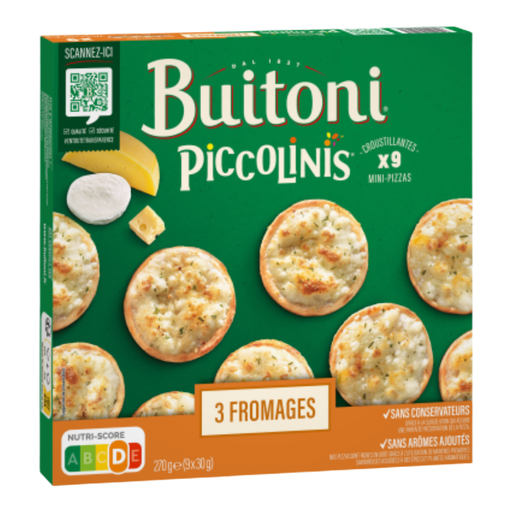 Image unavailable
A pack of bite-sized pizzas to consider for a buffet where food is served throughout the event.
The title lists 9 mini pizzas with a total weight of 270 g. Check the allergens and cooking instructions on the packaging you buy.
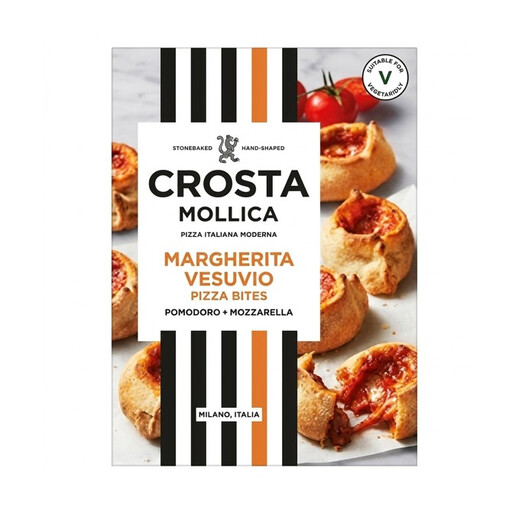 Image unavailable
A mini format to consider if your buffet includes a choice of small portions and different recipes.
The pack weighs 270 g. Check how many pieces it contains and read the cooking instructions on the packaging before working out how much to buy and how many batches you’ll need.
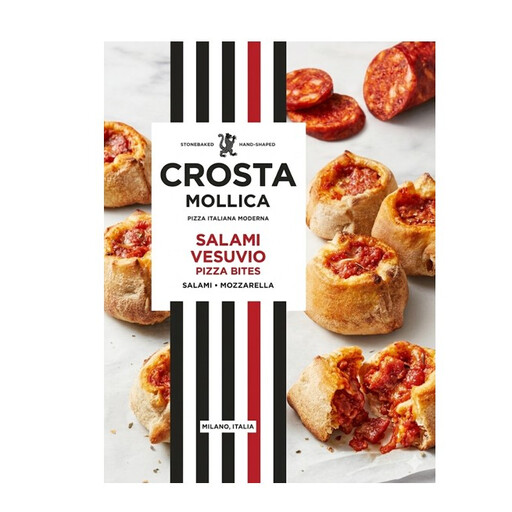 Image unavailable
This salami recipe gives you an option to distinguish from the pizzas without salami on your buffet, provided you clearly label the food you serve.
The pack weighs 270 g. Check the number of pieces, allergens and cooking instructions for the product you buy.
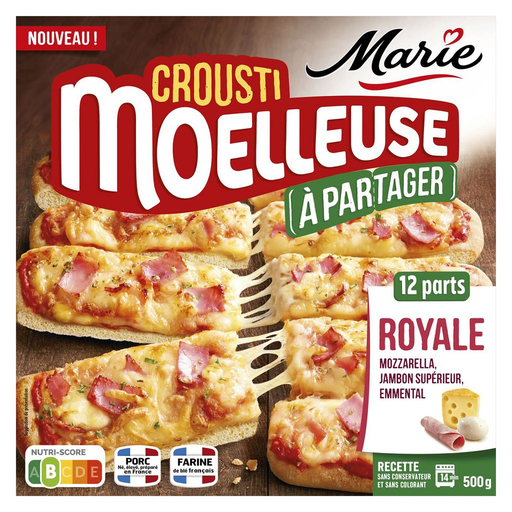 Image unavailable
A sharing pizza to consider if you plan to serve by the slice.
It weighs 500 g; decide on portion sizes based on what else you’re serving. Check the packaging for allergens and cooking instructions before planning your batches.
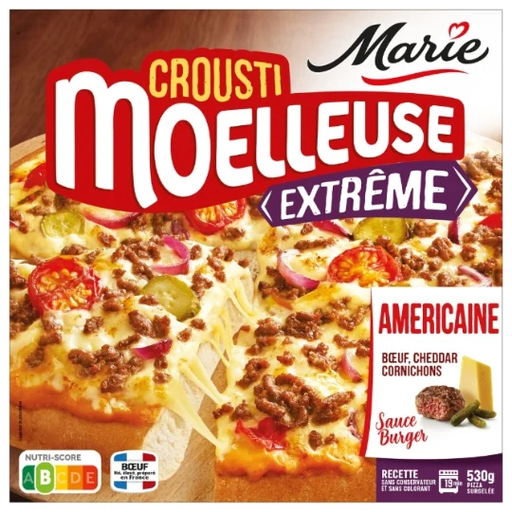 Image unavailable
Another larger-format pizza to consider for serving by the slice. Don’t assume the weight alone tells you how many guests it will feed.
The pack states 530 g. Check the ingredients, allergens and cooking instructions for this product before serving.
Compare their net weight, then check the number of pieces shown and how you plan to serve them. The number of portions will also depend on what else you’re serving and how large you cut the slices.
Yes, as long as you can store them according to the instructions on the packaging until you’re ready to cook them. Make sure you have enough room in the freezer and check the date on each pack. As the Anses reminds us, freezing doesn’t remove the need to maintain the cold chain.
Pick up the pizzas at the end of your shop and carry them in insulated bags, following the Anses recommendations. Keep the time between buying them and putting them in the freezer to a minimum.
Keep the packaging for each recipe and label the pizzas when serving. The DGCCRF reminds us that, in France, allergens in pre-packed foods must be highlighted on the label. Check each variety rather than relying on the pizza’s name alone.
No. Follow the cooking instructions for each product. For example, Auchan gives instructions of 220 °C and 11 to 14 minutes for the 424 g Dr. Oetker Suprema Five Cheese pizza; these instructions don’t apply to the other pizzas in your stock.