Couples with different tastes
Choosing one pizza each lets you pick two different toppings, rather than making you both eat the same recipe. Be sure to check the ingredients and allergens on each box.


If you both want different toppings, choose two different pizzas and check the ingredients on each box. A large pizza is better suited to a meal based around one recipe, as long as its weight, number of slices and dimensions work for you. Mini pizzas are more of a sharing option for bite-sized pieces. If you’re keeping two pizzas in the freezer, make sure you have enough space and follow the storage and cooking instructions for each product.
Choosing one pizza each lets you pick two different toppings, rather than making you both eat the same recipe. Be sure to check the ingredients and allergens on each box.
A large pizza lets you enjoy the same recipe. Before choosing one, check its weight, the number of slices listed and how much room it will take up in your oven.
If you’re storing two pizzas, you’ll need to be able to put them in the freezer as soon as you get home from shopping and follow the storage instructions on each pack.
Choose this: if you each want your own toppings or need to avoid an ingredient in the other person’s recipe.
Bear in mind: you’ll need to store two boxes and, if they won’t both fit in the oven, cook them in two batches.
Choose this: if you both like the same recipe and the stated quantity is right for your meal.
Bear in mind: you won’t be able to choose different toppings; also check that the pizza will fit on your baking tray.
Choose these: if you want to serve several bite-sized pieces, particularly as part of a buffet-style meal.
Check: the number of pieces and the total weight before relying on one box to provide the whole meal.
| What to consider | What to check | Who is it for? |
|---|---|---|
| Recipes and ingredients | Compare the ingredient lists and highlighted allergens on each box. Don’t rely on the pizza’s name alone. | If our tastes differ or one of us needs to avoid an ingredient, I want to be able to choose a recipe for each of us; around 40% of consumers would put this compatibility first. |
| Size for two | Check the net weight and the number of slices listed to distinguish between one pizza to share, two separate pizzas and bite-sized appetisers. | If we’re sharing one pizza, I want to know whether the quantity is really right for us; this would be the main consideration for around 30% of consumers. |
| Storage and cooking | Check how much space you have, the storage temperature and the cooking instructions for each product. | If I’m keeping two pizzas for later, I want to be able to put them in the freezer promptly and prepare each one according to its box; around 20% of consumers would prioritise this. |
| Nutrition information | Compare the nutritional values per 100 g and, where shown on the packaging, per portion. Also take the weight of the pizzas you’re comparing into account. | If I like both recipes, I want to be able to compare their nutritional values on a like-for-like basis; around 10% of consumers would make this a priority. |
This description doesn’t tell you the weight or portion size. The formats listed by Auchan, Carrefour and E.Leclerc include everything from mini pizzas to larger ones.
Compare the net weight and stated number of slices with the meal you have planned, especially if you’re choosing between one pizza to share and two separate pizzas.
Two toppings, even under the same brand, can have different ingredients. The DGCCRF reminds shoppers that allergens must be highlighted on the labels of prepacked foods.
Check the ingredients and allergens on each pizza separately before choosing two recipes.
The DGCCRF states that a rise in temperature encourages microbial growth and can make food unsafe.
Pick up frozen food at the end of your shopping trip, keep transport time to a minimum and put the pizzas in the freezer at the temperature stated on the packaging.
Nutri-Score is a voluntary label, as Manger Bouger points out. If it appears on the box, it doesn’t replace the ingredients, nutritional values or portion size.
When comparing two pizzas, also check the nutrition information per 100 g and how much each of you plans to eat.
The products featured by Auchan and Carrefour include Piccolinis, served as bite-sized pieces, as well as a different-sized Fraîch’Up pizza.
The Ristorante products featured by Carrefour include a mozzarella pizza and a larger Grandissima 4 Cheese pizza.
The Carrefour Extra and Carrefour Sensation ranges include frozen pizzas in a variety of sizes.
The range featured by E.Leclerc includes pizzas to share and multi-packs of Turini pizzas.
The Auchan chorizo pizza featured on the retailer’s product page weighs 390 g and is listed as serving two.
Lidl France has a category for frozen pizzas and snacks.
These pizzas suit three different ways of planning your meal: choosing two different recipes, sharing one pizza or serving mini pizzas. Check the size and instructions on each box before deciding how many you’ll need for two.
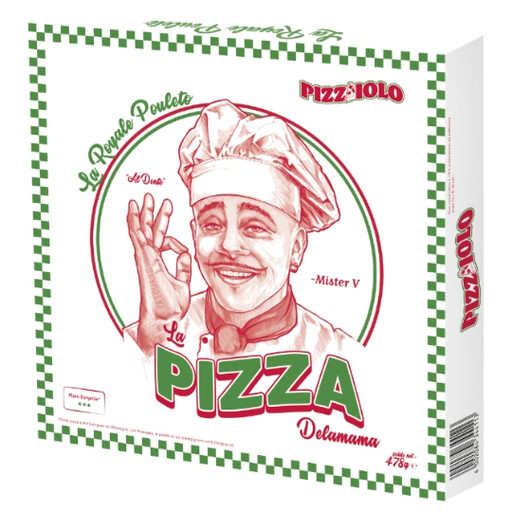 Image unavailable
Consider this recipe if you’d like to choose a different pizza for each person.
Check the allergens, number of slices and cooking instructions on the box before pairing it with a second pizza.
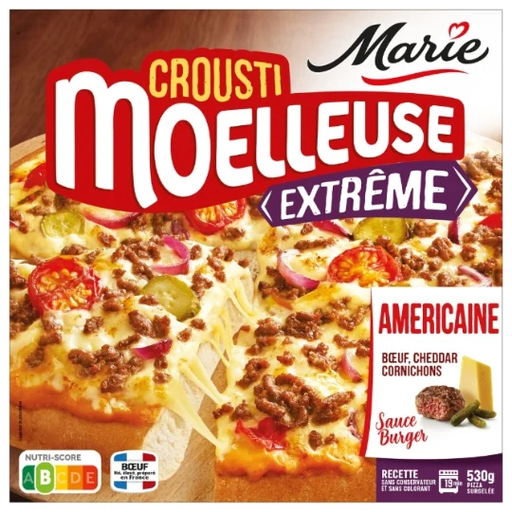 Image unavailable
Its 530 g size is worth considering if you’d rather share one recipe.
Make sure you both like the toppings, and check the number of slices and cooking instructions on the box.
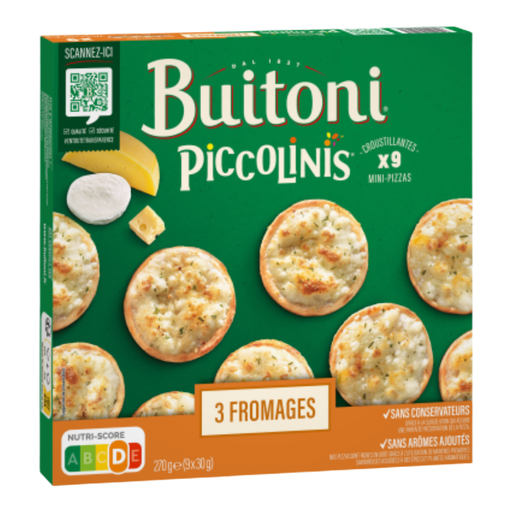 Image unavailable
The 9 bite-sized pieces are ideal for sharing, and you can choose how many to serve.
The pack weighs 270 g in total, so check whether that’s enough for your meal, then follow the cooking instructions on the box.
 Image unavailable
This vegetable pizza could be one of two different toppings to choose from.
If either of you avoids a particular food, check the ingredients and allergens, as well as the number of slices and cooking instructions on the packaging.
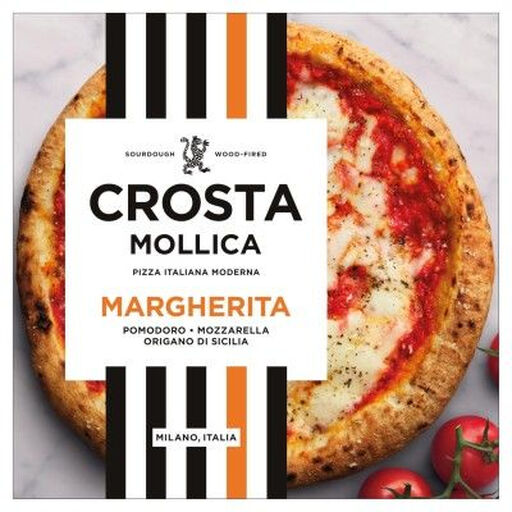 Image unavailable
This 403 g Margherita is another recipe to consider when putting together a pair of different pizzas.
Before storing and cooking it, check the allergens, storage temperature and cooking instructions on the packaging.
Choose two pizzas if you want different toppings; a large pizza works if you both like the same recipe. If you go for one large pizza, check its weight, the number of slices listed and its dimensions rather than relying on the words ‘to share’ alone.
Read the ingredient list and allergen information on both boxes. The DGCCRF reminds shoppers that allergens must be highlighted on the labels of prepacked foods. You can’t assume one recipe has the same ingredients as another.
Don’t refreeze a pizza if its packaging says not to, as stated on the product pages for some of the pizzas featured by Auchan and Carrefour. For the two pizzas you buy, follow the storage instructions on each box and keep them out of the cold for as little time as possible while transporting them.
Yes, if they fit properly in the oven and their cooking instructions are compatible. Compare the temperature, cooking time and positioning required on each pack; otherwise, plan to cook them in two batches.
No. If shown, Nutri-Score is a useful guide, but it doesn’t replace checking the ingredients, allergens and nutritional values. Compare the values per 100 g and take the weight and planned portion size of each pizza into account.