People looking for a softer base
For an everyday meal, you may prefer to look at recipes described as soft rather than start with a thin, crispy base. The toppings and cooking method of each pizza are still important when making your choice.


For an everyday meal that’s easier to chew, start by comparing pizzas described as soft with those labelled thin and crispy. Then check the toppings and cooking instructions: a recipe’s name doesn’t guarantee the texture you’ll get. Choose an amount that suits the meal, and check the ingredients and allergens. If you have dysphagia, the word “soft” is no substitute for the consistency recommended by a healthcare professional.
For an everyday meal, you may prefer to look at recipes described as soft rather than start with a thin, crispy base. The toppings and cooking method of each pizza are still important when making your choice.
You may be deciding between mini pizzas, individual portions and a pizza to share. The net weight and number of pieces can help you choose how much to serve.
You check the ingredients, allergens and nutritional information for the specific recipe, as these can vary even between pizzas from the same brand.
For an everyday meal where ease of chewing matters, start with the description of the base, but don’t mistake it for a guarantee of the texture after cooking. Then check the portion size, preparation method and label for the recipe you’ve chosen.
| What to consider | What to check | Who is it for? |
|---|---|---|
| Base texture | Is the base described as soft, thin or crispy? Also check the toppings and cooking instructions. | If a firm crust bothers me, I first look for a base I can chew during an everyday meal. Around 42% of consumers are said to prioritise texture. |
| Portion size | Compare the net weight and number of pizzas or slices with the meal you have planned. | If I’m serving a small portion, mini pizzas may be easier to divide up than a large pizza. Portion size is said to be the top priority for around 25% of consumers. |
| Preparation | Check the cooking method and equipment specified for the product you’ve chosen. | I want to be able to cook the pizza with the equipment I have, without guessing at the stated cooking instructions. This is said to be the top priority for around 17% of consumers. |
| Ingredients | Read the ingredients, allergens and nutritional information for the exact recipe. | If I need to keep an eye on an ingredient, the topping name alone isn’t enough to help me choose. Around 16% of consumers are said to make ingredients their top priority. |
This describes the pizza, but the recipe and cooking method affect its final texture. For someone with dysphagia, the French National Authority for Health says that a healthcare professional should recommend the appropriate consistency based on their swallowing difficulties.
Don’t choose a frozen pizza based on this word alone: follow the advice of the healthcare professional supporting the person concerned.
Ingredients and possible traces vary from one recipe to another. The French Directorate-General for Competition Policy, Consumer Affairs and Fraud Control reminds shoppers that allergens must be clearly highlighted on the label.
Check the ingredients list and any trace warnings on the packaging of the product you buy, even if you know its flavour well.
A frozen pizza must be stored according to the instructions on its packaging. The instructions may also say not to refreeze the product once it has thawed.
The French Agency for Food, Environmental and Occupational Health & Safety advises picking up frozen food at the end of your shop, keeping transport time to a minimum and using an insulated bag. Once you’re home, follow the storage instructions for the pizza you’ve bought.
Carrefour describes the Royale pizza in this range as “soft”; it comes in a 570 g box.
The Crousti-Moelleuse range lets you compare a base described as soft with recipes labelled crispy.
The Ristorante 4 Cheese is described as a thin and crispy pizza, so its texture is different from pizzas with bases described as soft.
Buitoni offers Piccolinis, among other products, as well as a 195 g pesto mozzarella Air Fryer pizza featured on Joybuy France.
The range featured by E.Leclerc includes a variety of recipes and sizes, including products named “soft pizza”.
These mini pizzas and pizzas with names suggesting a soft base come in different sizes for an everyday meal. Compare the portion size and recipe, then follow the cooking instructions for each one. A texture description doesn’t mean a pizza is suitable for someone with dysphagia.
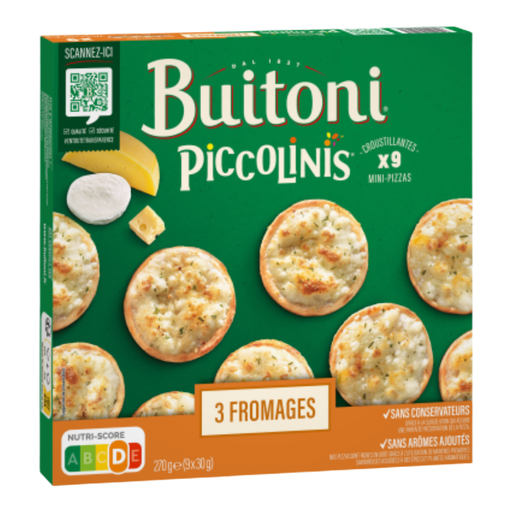 Image unavailable
The nine pieces make it easy to serve small portions separately. The 3 Cheese name doesn’t tell you all the ingredients, so check the packaging and cooking instructions.
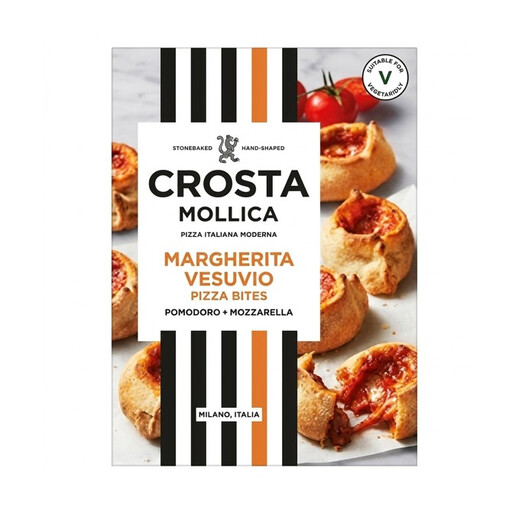 Image unavailable
The mini format is handy if you want to serve the meal in several portions. The pack weighs 270 g; check the description of the base, allergens and cooking instructions before choosing this recipe.
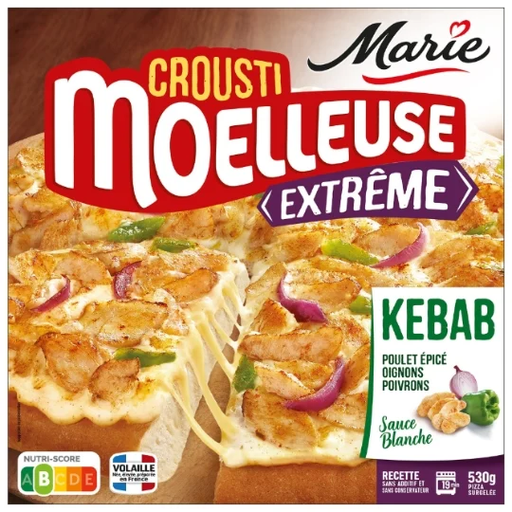 Image unavailable
This 530 g pizza could work well for sharing. Its name suggests both softness and crispiness, so if firm parts are difficult to chew, check the base description and cooking instructions rather than relying on the word “Soft” alone.
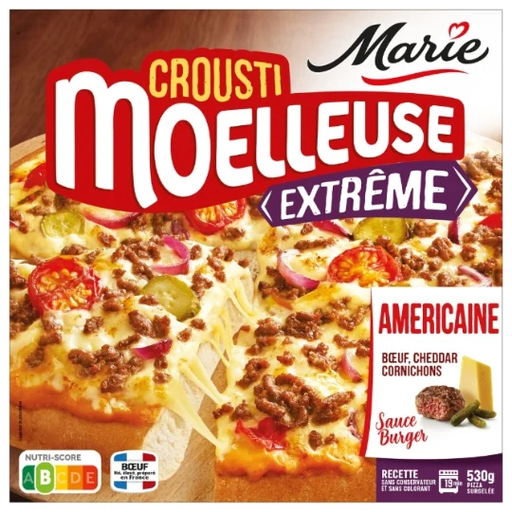 Image unavailable
The 530 g size is a good option if you’re looking for a pizza to share. “Soft & Crispy” also suggests a crispy texture, so check the toppings and follow the cooking instructions if texture is your main priority.
Not based on that description alone. The French National Authority for Health says that, for oropharyngeal dysphagia, a healthcare professional should recommend the appropriate consistency based on the person’s swallowing difficulties. A pizza’s description doesn’t confirm that it has the right consistency.
Read the ingredients list and any trace warnings for the specific pizza you’re buying. The French Directorate-General for Competition Policy, Consumer Affairs and Fraud Control reminds shoppers that allergens must be clearly highlighted, so don’t assume they’re absent based on the recipe name.
Follow the instructions for the product you’ve bought rather than using a method that applies to a different pizza. For its Crousti-Moelleuse 3 Cheese, Marie advises against using a fan-assisted oven or microwave to achieve the result it describes. This instruction doesn’t apply to other recipes.
Pick it up at the end of your shop and keep transport time to a minimum. The French Agency for Food, Environmental and Occupational Health & Safety recommends using an insulated bag, among other measures. Once you’re home, follow the storage conditions on the packaging and any instructions for what to do if the pizza thaws.