Anyone comparing fat content
You want to compare frozen pizzas by the grams of fat per 100 g, without mistaking a lower figure for a ‘reduced-fat’ claim.


For a summer picnic, choose a frozen pizza by comparing the fat content per 100 g, then check that its size, cooking requirements and transport arrangements suit your plans. A lower fat content than another recipe doesn’t mean the pizza can be labelled ‘reduced fat’. You’ll also need to consider how to keep it cold and check for allergens before buying.
You want to compare frozen pizzas by the grams of fat per 100 g, without mistaking a lower figure for a ‘reduced-fat’ claim.
You need to plan how to cook, transport and store the pizza before deciding whether it’s suitable for eating away from home.
You’re choosing between mini pizzas and whole pizzas based on the number of people. The size doesn’t remove the need to check the ingredients, nutrition information and cooking instructions.
For a picnic, first make sure you can cook and transport the pizza in line with the instructions on the packaging. Then compare the nutrition information for similar recipes on the same per-100 g basis, taking into account your guests and how many portions you’ll need.
| What to consider | What to check before buying | Who is it for? |
|---|---|---|
| Fat content | Compare the grams of fat per 100 g in similar recipes, then read any claims on the packaging. | If I want to choose a pizza with a lower declared fat content, I don’t want to confuse that comparison with a ‘reduced-fat’ claim. Around 36% of consumers would make this their priority. |
| Keeping it cold during transport | Check the storage temperature on the packaging and plan how to keep the pizza cold during the journey. | For a summer journey, I need to be able to keep the pizza under the recommended conditions until I’m ready to prepare it. Around 29% of consumers would prioritise keeping it cold during transport. |
| Ingredients and allergens | Read the ingredients list, check the allergens highlighted and look for any possible traces listed for the variety you’re buying. | If I’m serving several people, I want to know whether the recipe meets their dietary requirements before sharing it. Around 21% of consumers would put this first. |
| Size and cooking | Check the number of pieces, net weight and cooking method required for your equipment. | When I’m dividing up the portions, I want a size I can cook and serve at the right time. Around 14% of consumers would make this their priority. |
Declared fat figures per 100 g let you compare recipes, but a difference between them doesn’t prove that a pizza meets the requirements for a nutrition claim. The DGCCRF notes that the use of these claims is regulated.
Compare sufficiently similar recipes on the same per-100 g basis and check the exact wording on the packaging.
According to the DGCCRF, rising temperatures speed up microbial growth and can make food unsafe. The journey matters just as much as the choice you make in store.
Follow the storage instructions on the packaging and don’t refreeze a pizza once it has defrosted.
You may need a cool bag, ice packs or a shorter journey.
The product information for the Margherita pizzas reviewed lists wheat and dairy ingredients, among other things; some also warn that they may contain traces of other allergens.
Read the label on the pizza you’re actually buying, and have another option ready if its ingredients aren’t suitable for one of your guests.
A mini pizza can make sharing easier, but its size doesn’t replace the preparation instructions.
Check what equipment you’ll need and plan when the pizza will be cooked and served.
You’ll still need to factor in access to suitable cooking equipment and preparation time.
Pouce Margherita Pizza comes in a pack of three 300 g pizzas, with a thin crust, tomato and courgette.
The 310 g Carrefour Bio Margherita is another tomato and mozzarella recipe with nutrition information available to check.
The 295 g Ristorante Margherita has a thin crust topped with tomato, mozzarella and Gouda, among other ingredients.
Buitoni offers Piccolinis to share, while individual-size Air Fryer pizzas are also available in Carrefour’s frozen food aisle.
The Eco+ range includes a pack of three frozen Margherita pizzas, with a total weight of 900 g.
This selection includes two mini formats to share and one whole pizza to cook. For each product, check the nutrition information and packaging instructions before planning your picnic; their inclusion here doesn’t mean they carry a ‘reduced-fat’ claim.
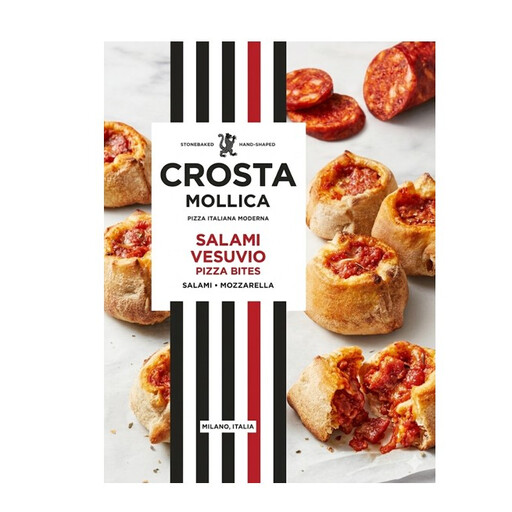 Image unavailable
A mini format to consider if you’d like to share the pizzas between several people.
Check the cooking instructions and allergens on the packaging before planning when to serve them.
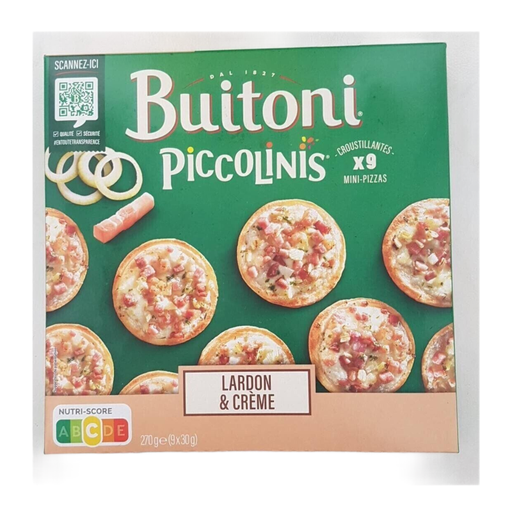 Image unavailable
The nine mini pizzas make it easy to serve individual portions for sharing.
They need to be cooked thoroughly: check the cooking time and temperature on the packaging, along with the ingredients, to make sure they’re suitable for your guests.
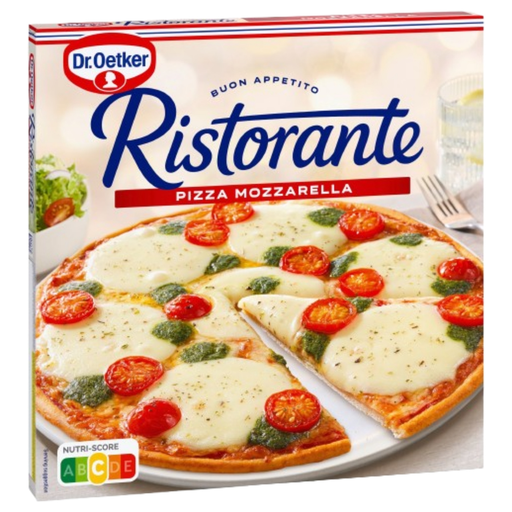 Image unavailable
This whole pizza is a good option if you can cook it from frozen before the meal.
Check the net weight on the packaging: the product title and description give two different weights. Also check the cooking instructions for the variety you buy.
No. Comparing the fat content per 100 g isn’t enough to substantiate a ‘reduced-fat’ claim. The DGCCRF notes that nutrition claims are regulated, so check the exact wording on the packaging and compare sufficiently similar recipes.
Transport it at the storage temperature shown on the packaging, using equipment suited to the journey. According to the DGCCRF, rising temperatures speed up microbial growth, so plan how to keep it cold before choosing where and when to eat.
Don’t refreeze a defrosted pizza if its packaging says not to, as indicated on the Auchan Pouce and Joybuy Ristorante Margherita product information cited for this article. If the storage instructions haven’t been followed, don’t rely on appearance alone.
Follow the preparation instructions for the product you buy: the pizzas reviewed for this article need to be cooked, and their size doesn’t make them ready to eat. Plan to have the right equipment before you leave rather than relying on being able to cook at the picnic spot.
Compare the fat content per 100 g, then check the ingredients, allergens, net weight and storage and cooking instructions. As the DGCCRF explains, nutrition information helps consumers understand a product’s composition; a single figure doesn’t tell you everything about the recipe or the portion you’ll serve.