If you’re not very hungry
You’re after a smaller portion for a simple dinner, perhaps with a side, rather than a large pizza you’ll need to finish.


If you’re not very hungry, start by comparing pizzas weighing around 200 g. If you’d rather have a whole classic pizza, look at options weighing 295 to 355 g. Mini pizzas let you choose how many to serve, while a multipack is better suited to stocking up or sharing. Whichever you choose, check how much you’ll eat, the ingredients and the cooking instructions for that specific product.
You’re after a smaller portion for a simple dinner, perhaps with a side, rather than a large pizza you’ll need to finish.
You’re looking for a recipe and base texture you’ll enjoy, while also bearing in mind the weight and nutritional information for the whole pizza.
You’re happy to choose how many mini pizzas to serve, or buy several pizzas for separate meals or to share.
First, decide how much you plan to serve. Then compare the recipe, nutritional information and cooking requirements to find the size that suits you.
| What to consider | What to check | Who this matters to |
|---|---|---|
| Portion size | Check the net weight and number of pieces. Decide whether you’ll eat the whole pizza or have it with a side. | I want a moderately sized dinner without having to finish a large pizza. Around 31% of consumers would put portion size first. |
| Recipe and base | Compare the stated toppings and the type of base you’re looking for, such as thin or fluffy. | For a comforting dinner, getting the toppings and texture I fancy matters more than the pack size. Around 25% of consumers would prioritise this. |
| Nutritional information | Compare the information per 100 g, then work it out for the amount you’ll eat. Check the Nutri-Score if it’s shown. | If I eat the whole pizza, I want to know the nutritional information for the meal, not just per 100 g. Around 25% of consumers would put this nutritional consideration first. |
| Allergens and preparation | Read the ingredients and allergen information on the exact pack. Also check the cooking and storage instructions. | A recipe only works for me if I can check its allergens and follow the preparation and storage instructions. Around 19% of consumers would put these considerations first. |
A 200 g pizza and a classic 355 g pizza are very different portions, and neither will necessarily match your appetite.
Compare the net weight and number of pieces, then decide whether you’d like to add a side.
This makes it easier to compare products, but doesn’t tell you how much you’ll actually eat. Dr. Oetker states that a whole 355 g Ristorante Mozzarella contains 865 kcal and 3.6 g of salt.
Once you’ve compared the figures per 100 g, check the values for the whole pizza or work them out for the portion you plan to serve.
Ingredients and precautionary allergen statements vary between specific products. The DGCCRF reminds shoppers that allergens must be clearly highlighted in the ingredients list on prepacked foods.
Check the ingredients and any ‘may contain’ statements on the pack you buy.
The DGCCRF says that a rise in temperature can speed up microbial growth.
Pick up frozen food last, keep the journey home as short as possible and put it away promptly, following the storage instructions on the pack.
These ranges show the different sizes available. Compare the specific product and its weight before choosing a pizza for one.
Piccolinis are mini pizzas that you can serve in whatever number you choose, rather than a whole pizza already portioned into slices.
The Ristorante range includes whole classic pizzas, which may suit you if you’d rather eat a pizza than choose a variable number of pieces.
Carrefour frozen pizzas can be compared by recipe and size.
Turini and Marque Repère pizzas give you whole pizzas and multipacks to compare.
Auchan’s range lets you compare a small pizza, classic pizzas and mini pizzas.
The Trattoria Alfredo 4 Cheese multipack is best suited to several meals or a shared dinner.
This selection includes whole pizzas weighing 195 to 355 g and mini pizzas that let you choose how many to serve. Compare the recipe and pack instructions to find one that suits the dinner you have in mind.
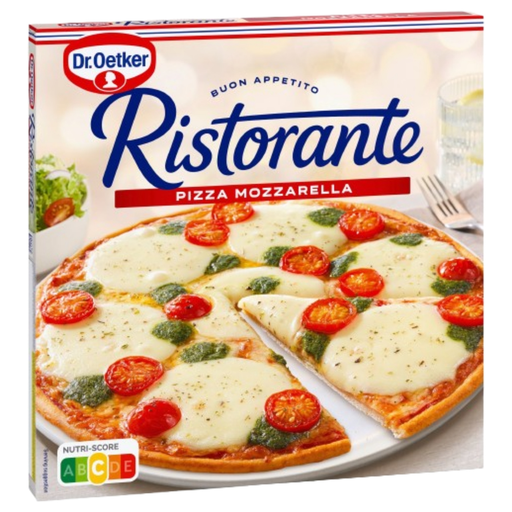 Image unavailable
A whole pizza to consider if you’re after a more substantial dinner than a smaller option.
According to Dr. Oetker France, this 355 g pizza should be cooked from frozen on a rack for 11 to 14 minutes. Check the nutritional information for the whole pizza and the allergens on the pack.
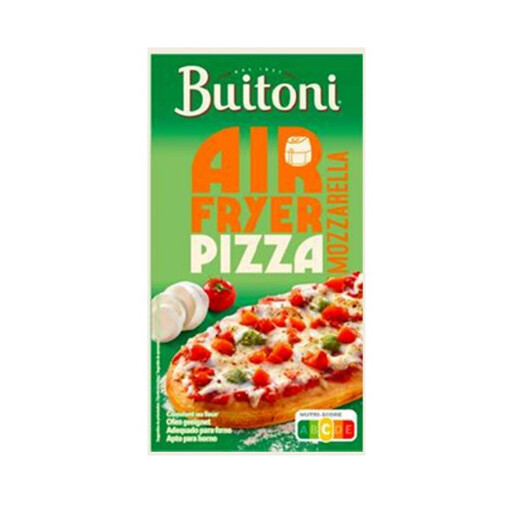 Image unavailable
At 195 g, this is worth considering if you’re looking for a small pizza for one.
The name suggests it’s made for air fryer cooking. Check the pack for cooking settings, ingredients and nutritional information for the amount you’ll eat.
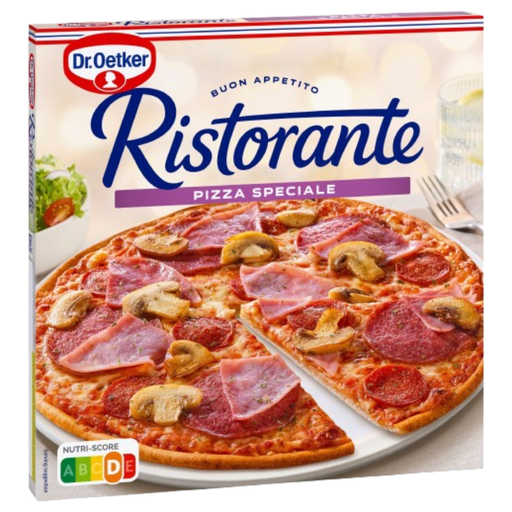 Image unavailable
This 345 g whole pizza is for anyone who’d like a ham and salami topping for dinner.
Check the pack for allergens, nutritional information for the whole pizza and the cooking instructions for this specific product.
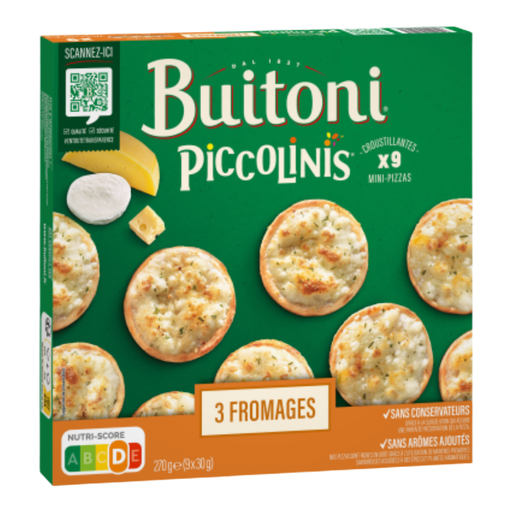 Image unavailable
This pack of nine mini pizzas lets you choose how many to serve, rather than cooking a whole pizza.
The 270 g is the weight of the pack, not necessarily the amount you’ll have for dinner. Check the pack for allergens and cooking instructions.
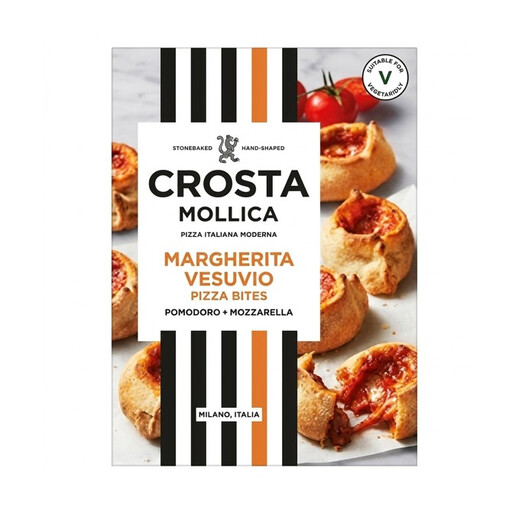 Image unavailable
These mini pizzas are a good option if you’d like to serve a chosen number of pieces in a Margherita style.
The pack weighs 270 g. Check the number and weight of the pieces on the packaging to work out your portion, as well as the allergens and cooking instructions.
No. If shown, the Nutri-Score is based on nutritional characteristics per 100 g, so it doesn’t tell you how much you’ll actually eat. To compare two pizzas of different sizes, also check their nutritional information per 100 g, then take your portion into account.
Read the ingredients list and any ‘may contain’ statements on the exact pack, even if the recipe name seems familiar. The DGCCRF says that allergens must be clearly highlighted in the ingredients list on prepacked foods. Information for one product doesn’t apply to every pizza.
Follow the instructions for the pizza you’ve bought rather than using the same method for every product. Dr. Oetker France says to place its Ristorante Mozzarella on the rack while still frozen and cook it for 11 to 14 minutes.
Keep it out of the freezer for as little time as possible and store the pizza at the temperature stated on its packaging. The DGCCRF reminds shoppers that a rise in temperature can speed up microbial growth. Picking up frozen food last helps to keep transport time to a minimum.