Hosts serving a whole pizza
You want to serve a pizza as a main or as the centrepiece of a small buffet. The base, toppings and weight of each product can help you choose a recipe and plan how to serve it.


For New Year’s Eve, start by choosing a format to suit how you plan to serve it: a whole pizza as a main, mini pizzas for a buffet-style drinks party, or a multi-pack if having enough pizzas matters more than offering a variety. A particular base or topping may help you narrow down your choice, but be sure to check the weight, allergens, nutritional information and cooking instructions for each product too.
You want to serve a pizza as a main or as the centrepiece of a small buffet. The base, toppings and weight of each product can help you choose a recipe and plan how to serve it.
You’re looking for easy-to-grab portions for guests who may not all eat at the same time. The number of pieces and batches you’ll need are just as important as the recipe.
Before serving pizza to a group, you’ll need to be able to check the ingredients, allergens and any ‘may contain’ warnings for the product you choose.
Choose this: if the pizza is the main course or a centrepiece for a small buffet.
Bear in mind: stone-baking or a stated fermentation process describes a specific product, but doesn’t guarantee how it will turn out in your oven.
Choose these: for bite-sized portions at a buffet-style drinks party, without having to slice each pizza as you serve it.
Bear in mind: you may need to cook several batches, and mini pizzas won’t necessarily work as a main course.
Choose this: if you’d rather have several pizzas in the same flavour ready for your group.
Bear in mind: a multi-pack gives guests less choice if they want different toppings or need to avoid certain ingredients.
| Criteria | What to check | Who is this for? |
|---|---|---|
| Format and serving | Compare the net weight and number of pieces with the cooking instructions and the space available in your oven. | If I’m serving bite-sized portions throughout the evening, I want to know how many pieces there are and plan the batches; around 42% of consumers prioritise format and serving. |
| Base and toppings | Read the description of the base and the ingredient list for the specific product. Don’t take a production claim as a guarantee of quality. | For a pizza served as a main, I’m looking for a base and toppings that suit my guests’ tastes. The recipe comes first for around 33% of consumers. |
| Ingredients and allergens | Check the ingredients, allergens and any ‘may contain’ warnings. Compare the nutritional values per 100 g if they’re relevant to your choice. | Before serving a group, I need to rule out recipes that don’t meet the dietary requirements guests have mentioned; this is the top priority for around 25% of consumers. |
Stone-baking, fermentation or a featured topping describes a recipe; it doesn’t tell you what its nutritional values are.
Choose the style of pizza you want, then compare the ingredient list, allergens and nutritional information per 100 g.
A whole pizza, nine mini pizzas and a multi-pack are suited to different occasions, even though they’re all in the same freezer aisle.
Check the net weight and number of pieces, then plan your batches according to the role the pizza will play in the meal.
Ingredients and any ‘may contain’ warnings vary by recipe. A topping that suits some guests may not be suitable for everyone.
Ask about dietary requirements before you shop, check every pack and keep the packaging until you serve the food.
Breaking the cold chain or refreezing a thawed product can pose a microbiological risk. The French Ministry of Agriculture advises against refreezing thawed food.
Buy frozen food at the end of your shop, carry it in an insulated bag and put it in the freezer as soon as you get home. Then follow the instructions on the packaging.
The Four à Pierre range includes whole pizzas that highlight their base and baking method.
Ristorante and Suprema offer different thin-crust recipes. Compare the specific product rather than relying on the brand name alone.
The Royale and 4 Stagioni products are two examples of whole pizzas baked on stone.
The AUCHAN range includes a variety of formats, from mini pizzas to whole thin-crust pizzas.
Lidl’s listed product is a pack of three Four Cheese pizzas, intended for serving several pizzas.
These Joybuy products include whole pizzas to serve as a main and mini pizzas for a buffet-style drinks party. Compare their format, toppings and packaging information before planning quantities.
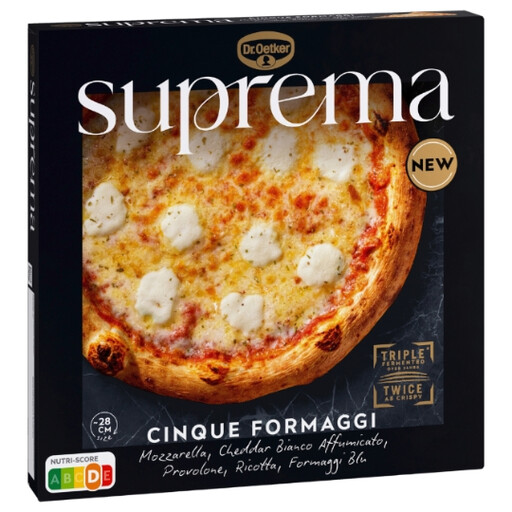 Image unavailable
A whole pizza to consider if you’d like to serve a five-cheese recipe as a main. The product listing mentions wheat and milk, as well as possible traces of soya and mustard. Check the label on the pack you buy.
Check the cooking instructions on the packaging. The 400 °C temperature mentioned in the Suprema description relates to its production, not the setting for your oven.
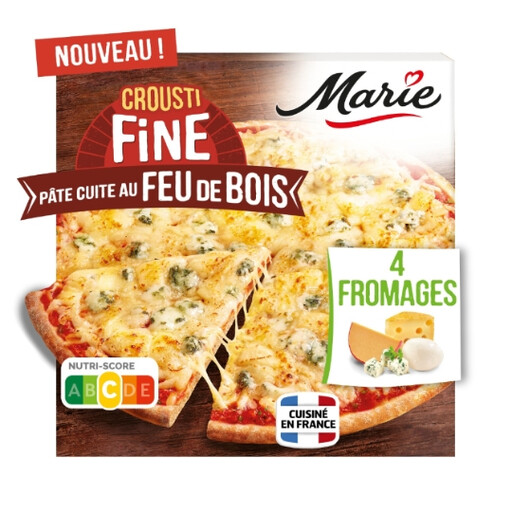 Image unavailable
This whole pizza is a good option to serve as a main if you’re looking for a thin base and a four-cheese topping. The product description specifically mentions Roquefort AOP.
The listing mentions wheat and milk, as well as possible traces of other allergens. Check the label on the pack and the cooking instructions before serving.
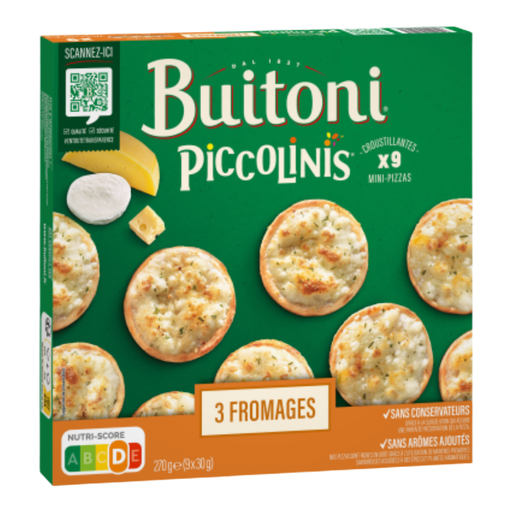 Image unavailable
Nine pieces make it easy to plan portions for a buffet-style drinks party. Compare how many packs you’ll need with the other food you’re serving. They’re topped with three cheeses.
The listing mentions wheat and milk. Check the pack you buy for other allergen information and cooking instructions.
 Image unavailable
This 480 g whole pizza is an option to serve as a main if you’re looking for a six-cheese topping. Factor in its weight and the other dishes you’re serving when planning the meal.
The listing mentions wheat and milk, as well as possible traces of celery. Check the label and the full cooking instructions on the packaging.
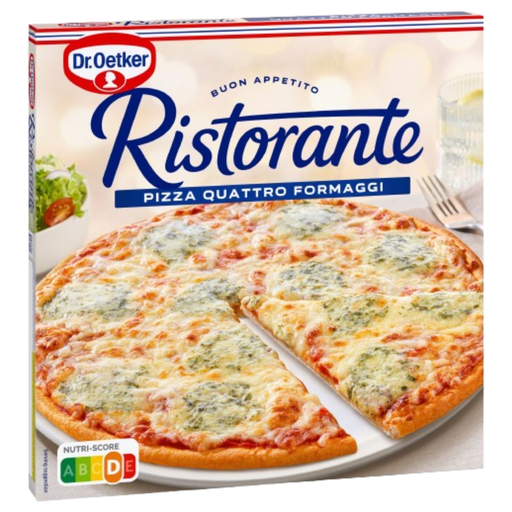 Image unavailable
This thin-crust whole pizza with four cheeses is another recipe to consider serving as a main. Compare its weight and toppings with those of the other products.
The listing mentions wheat, milk and soya, as well as possible traces of mustard. Check the label on the pack and the cooking instructions.
Check the ingredients and allergens on the packaging of the specific product you buy, along with any ‘may contain’ warnings. The DGCCRF points out that allergens must be highlighted in the ingredients list of pre-packed foods. Ask about your guests’ dietary requirements before putting together the buffet.
Start with the values per 100 g to compare pizzas of different sizes. The DGCCRF says that nutritional declarations use this basis; then check the weight of the pizza and how much you plan to serve.
Buy them at the end of your shop and put them in the freezer as soon as possible after carrying them home in an insulated bag. Anses recommends minimising any break in the cold chain; also follow the storage instructions on each pack.
Don’t refreeze a thawed pizza. The French Ministry of Agriculture says that refreezing thawed food encourages bacteria to multiply; check the instructions on the packaging too.