Anyone planning a meal for one
If you’re looking for a frozen pizza for one, knowing how much you plan to eat lets you work out the protein in your meal from the amount given per 100 g.


To choose a frozen pizza for a protein-focused meal for one, compare the protein per 100 g with the weight of the portion you’ll eat: the topping name alone won’t tell you how much protein your meal provides. Check the salt, energy and fat content too, then make sure the size and cooking instructions suit you.
If you’re looking for a frozen pizza for one, knowing how much you plan to eat lets you work out the protein in your meal from the amount given per 100 g.
You want to consider protein without losing sight of other nutritional values. Compare the salt, energy and fat content for the portion you plan to eat.
If you avoid certain ingredients or allergens, check the ingredients of the exact product first, before comparing its protein content.
For a meal for one, decide how much you’ll eat before comparing nutritional values. If there are ingredients you can’t have, check the ingredients list first.
| What to compare | What to check | Who this matters to |
|---|---|---|
| Protein in your meal | Protein per 100 g and the weight of the portion you’ll actually eat; the topping name won’t tell you the total. | I plan to eat one whole pizza and want to know how much protein I’ll get from it. Around 36% of shoppers in this group would put the total protein content at the top of their list. |
| Salt and other nutritional values | Salt, energy and fat per 100 g, then for the portion you plan to eat. | I’m looking for protein, but I also want to consider the salt and energy content of my meal. Balancing these factors would be the priority for around 29% of shoppers in this group. |
| Portion size and preparation | The weight of each pizza, the number of pieces and the cooking instructions for that product. | I want to prepare an amount that’s easy to manage with the appliance I have. Portion size and preparation would come first for around 21% of shoppers in this group. |
| Ingredients and allergens | The ingredients list, allergens and, if needed, any dietary information shown on the exact product. | I need to rule out certain ingredients before comparing protein content. This would be the main consideration for around 14% of shoppers in this group. |
Two pizzas of different weights can show the same protein per 100 g but provide different amounts if you eat a whole pizza.
Multiply the amount per 100 g by the weight of your planned portion in grams, then divide by 100. Do the same calculation for salt and energy.
The recipe alone won’t tell you how much protein your meal provides or how much salt and fat it contains.
Check the nutritional information for the exact product and compare the values for the amount you’ll eat.
The box weight may cover several pieces, and how many you eat will affect the nutritional content of your meal.
Check the number of pieces and their weight before choosing your portion.
The Ministry of Agriculture says that refreezing a defrosted product encourages bacteria to multiply.
Follow the storage instructions on the packaging and don’t refreeze the pizza after defrosting.
The Auchan range includes Buitoni Piccolinis mini pizzas.
The Ristorante range includes a variety of recipes, including tuna and cured-meat pizzas, as well as a 295 g Margherita listed by the brand.
Carrefour lists, among other options, a 350 g Extra tuna pizza and a 310 g organic Margherita.
E.Leclerc lists, among other options, a 200 g individual Turini chorizo pizza.
Auchan offers pizzas in different sizes and recipes, including a 200 g four-cheese pizza.
Lidl France lists pizzas among its frozen products.
These pizzas include fish and meat recipes, as well as a vegetable and cheese option. Their weights are listed, but decide how much you’ll eat before comparing the protein in your meal.
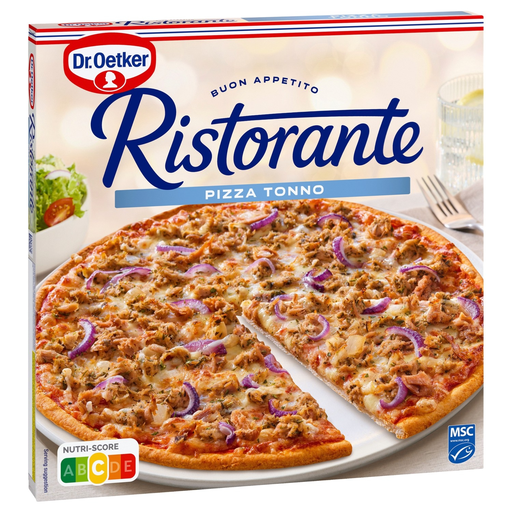 Image unavailable
A tuna recipe to consider if you want to compare the protein content of your meal.
The pizza weighs 355 g. Work out the nutritional values for the amount you’ll eat and be sure to check the salt content.
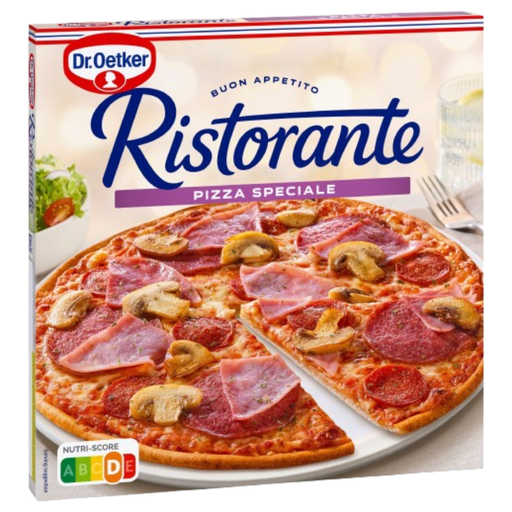 Image unavailable
A ham and salami recipe for anyone looking for a meat topping.
The pizza weighs 345 g. Compare the protein and salt content for your portion rather than relying on the recipe name alone.
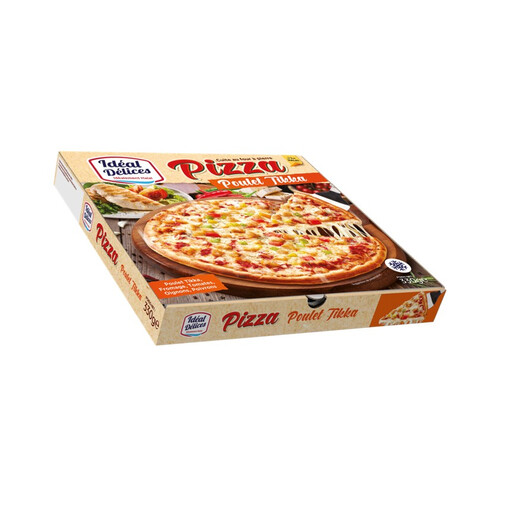 Image unavailable
A chicken tikka recipe to consider if you’d like a chicken topping; check the exact product label if a particular dietary requirement is important to you.
The pizza weighs 330 g. Check the protein and salt content for the portion you plan to eat.
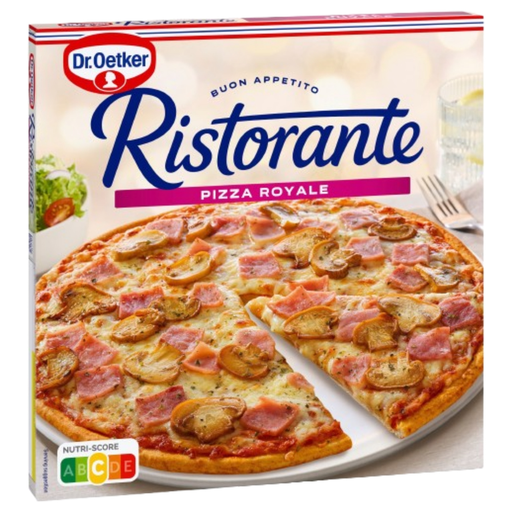 Image unavailable
A ham and mushroom recipe for anyone who enjoys this topping.
The pizza weighs 350 g. Work out the protein and salt content for the amount you’ll actually eat before comparing it with other recipes.
 Image unavailable
A vegetable recipe to consider if you prefer this topping to fish or meat.
The pizza weighs 385 g. Check the protein content for your planned portion before deciding if it’s right for your meal.
Multiply the grams of protein shown per 100 g by the pizza’s weight in grams, then divide by 100. If you’re only eating part of it, use the weight of that portion: the total for the whole box won’t necessarily reflect what’s in your meal.
No. Nutri-Score doesn’t tell you how much protein you’ll eat. If it’s shown, consider it alongside the nutritional information and the weight of your portion. Don’t assume that a pizza meets all your requirements based on its Nutri-Score alone.
Check the ingredients list, net quantity and nutritional information, especially the protein and salt content. The DGCCRF says these are among the details required on the labels of prepacked foods in France; also follow the storage and cooking instructions for the pizza you choose.
Don’t refreeze a defrosted pizza. The Ministry of Agriculture explains that doing so encourages bacteria to multiply; follow the storage instructions on the packaging.
No. The topping name alone isn’t enough to make that comparison. Check the protein per 100 g and the portion weight for each product; also check the salt content, especially for cheese or cured-meat recipes.