What should you compare?
For a frozen pizza for an everyday meal, first choose the type of crust that suits your preference. Then check the recipe, cooking instructions and portion size.
| What to compare |
What to check |
Who might this suit? |
| Crust texture |
Look for descriptions such as “thick”, “soft” or “thin and crispy”, then check the size of the topping pieces. These descriptions don’t guarantee the texture after cooking. |
If I want to avoid a bite that’s too crisp or difficult to cut, the type of crust matters more than the product range name. Around 42% of consumers would make ease of chewing their priority. |
| Ingredients |
Read the ingredients and allergen information for your chosen recipe; compare the salt content in the nutritional information per 100 g. |
A recipe needs to meet my dietary requirements, even if its crust suits me. For around 25% of consumers, ingredients would be the main consideration. |
| Cooking |
Check the temperature, preheating, cooking time and oven position on the packaging. Don’t shorten the cooking time in an attempt to make the crust softer. |
I want to be able to cook the pizza with my equipment without having to guess when it’s ready. Around 17% of consumers would put this first. |
| Portion size |
Compare the net weight and number of pieces; mini or individual portions don’t tell you anything about the texture. |
For a light meal or sharing, I’d rather be able to choose how much to serve. Around 16% of consumers would put this need first. |
Mini pizzas to consider on Joybuy
These frozen mini pizzas may suit you if you’re looking for small pieces to serve. Compare the recipes and check the texture after cooking according to the instructions on each pack; mini size doesn’t guarantee they’ll be easier to chew.
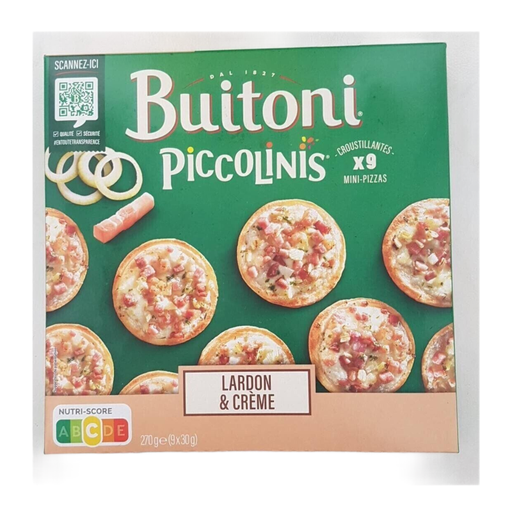 Image unavailable
BUITONI Piccolinis cream and bacon, 9 pieces, 270 g
The nine mini pizzas let you choose how many pieces to serve. If you’re looking for a less crisp bite, check the texture after cooking: the product description mentions a soft crust as well as crispy pieces of bacon.
Follow the cooking instructions on the packaging before serving.
View on Joybuy
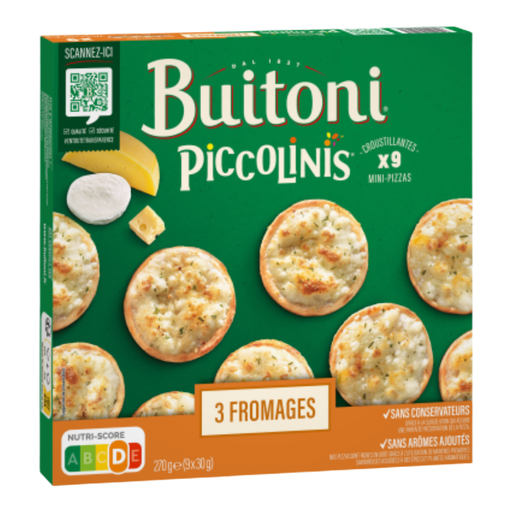 Image unavailable
BUITONI Piccolinis 3 Cheese, 9 pieces, 270 g
The nine mini pizzas are a handy choice if you want to adjust how many pieces you serve. The crust is described as soft or tender; check its texture after following the cooking instructions.
The product information lists milk and wheat. If you have an allergy, check the full allergen information on the packaging of the product you’ve bought.
View on Joybuy
 Image unavailable
CROSTA ET MOLLICA Margherita mini pizzas, 270 g
The mini size can make it easier to serve smaller portions. The base is described as soft, but that doesn’t guarantee the texture after cooking; compare the total weight of 270 g with the amount you want to prepare.
The product information lists gluten and milk, and notes that it may contain traces of soya and mustard. Check the label and follow the cooking instructions on the packaging.
View on Joybuy
Frequently asked questions
Is frozen pizza suitable if you have significant difficulty chewing or swallowing?
If you need a particular texture, don’t choose an everyday pizza based only on descriptions such as “soft” or “thick crust”. Ask a health professional for advice suited to your needs. If your food intake decreases or you lose weight, Assurance Maladie emphasises the importance of spotting the risk of malnutrition early.
Can you shorten the cooking time to make the crust less hard?
No. Follow the instructions for your chosen pizza and serve it thoroughly cooked. Cooking times and oven positions vary between products; if you don’t like the texture, choose a different recipe rather than deliberately shortening the cooking time.
What should you compare on the packaging of two different-sized pizzas?
Compare the ingredients, allergens, net weight and nutritional information per 100 g, including sugars, fat and salt where these matter to your choice. The DGCCRF explains that information shown per 100 g lets you compare nutritional details without confusing pizza size with its ingredients.
How should you transport frozen pizza after buying it?
Pick up frozen food at the end of your shop and use an insulated bag for the journey, as recommended by Anses. Once home, follow the storage instructions on the packaging, especially those for a product that has been defrosted.


