Conference lunch organiser
For a served meal, you’ll want to check the base, toppings and cooking instructions for each recipe before putting the menu together.


For a conference, choose the format based on how you plan to serve the food. A pizza with a clearly detailed recipe works well for a served lunch, while mini pizzas avoid the need for slicing at a standing buffet. A large format is suitable if you’re planning to share, but whichever option you choose, check the ingredients, allergens, cooking instructions and the venue’s storage capacity.
For a served meal, you’ll want to check the base, toppings and cooking instructions for each recipe before putting the menu together.
If guests arrive at different times, easy-to-serve portions can reduce the need for slicing at the serving point.
Before ordering for a group, you need to be able to distinguish between recipes, check their ingredients and allergens, and pass this information on to the serving team.
When choosing frozen pizzas for a conference, start with how you’ll serve them, then check each recipe against the cooking and storage facilities available at the venue.
Worth considering: when guests will be seated and the ingredients in each recipe matter when planning the menu.
Bear in mind: cooking batches must fit within the lunch break; a description such as ‘stone-baked’ isn’t, on its own, proof of good flavour.
Worth considering: for a break or standing buffet where guests can help themselves without any slicing.
Bear in mind: the number of pieces you’ll need depends on the rest of the buffet, and different recipes should be easy to identify.
Worth considering: for an informal meal where slicing and sharing are part of the plan.
Bear in mind: you’ll need to set aside time and space to slice the pizzas and serve the portions.
| Criterion | What to check | Who it matters to |
|---|---|---|
| Recipe ingredients | Read the ingredients and, where stated, the quantity of toppings for the exact product. | For a served lunch, I want to be able to choose a recipe based on its ingredients rather than just the word ‘premium’; around 31% of consumers would put this need first. |
| Serving pace | Compare the cooking instructions and number of pieces per box with the capacity of the venue’s oven. | If the break is short, I need to serve portions within the time available; this would be the top priority for around 25% of consumers. |
| Ingredients and allergens | Check the label for each recipe and make sure the pizzas on offer are clearly identified. | When dietary restrictions have been flagged, I need to be able to identify what each pizza contains; around 25% of consumers would prioritise this check. |
| Storage and preparation | Check the storage instructions, the freezer space available and how you’ll schedule cooking batches. | To avoid having to improvise on the day of the conference, I want to plan delivery and cooking in advance; around 19% of consumers would put this need first. |
These terms describe a product’s positioning or a stated process; they don’t tell you whether the recipe will suit your guests or how it will fit into your service.
Compare the ingredients, allergens, weight and cooking instructions for the exact product. Don’t treat a brand description as an independent taste-test result.
A sharing format requires cooking batches, space for slicing and a way to serve portions that all fit within the break.
Work out how many pizzas the oven can cook in each batch before deciding on the format and quantities to order.
Slicing the pizzas and identifying the recipes also takes staff time during service.
Two pizzas that look similar can contain different ingredients and allergens. The name alone won’t tell you whether an option is suitable for a particular dietary restriction.
Ask about dietary restrictions before ordering, check the packaging when it arrives and keep the information for each recipe accessible at the serving point.
Delivery, storage and preparation must follow the instructions for the products you choose. The information for the Picard Volcana pizza, for example, says never to refreeze a defrosted product.
Check the venue’s freezer capacity and plan transport, delivery and cooking times before placing your order.
If there isn’t enough storage space, you may need to change your delivery and preparation plans.
Ranges such as Suprema, Ristorante and Piccolissima offer different recipes and formats to consider.
Piccolinis are a format to consider for a break or standing buffet.
The stone-baked 4 Stagioni is a good example of why it’s worth checking the ingredients of an individual product rather than judging an entire range.
The brand offers sharing formats and multipacks to consider for an informal meal.
A multipack may be worth considering when you need to prepare several large pizzas for a group.
These products include pizzas to consider for a served lunch, as well as mini pizzas for serving without slicing. Choose the recipe and number of pieces to suit your plans, then check the packaging and cooking instructions before scheduling your batches.
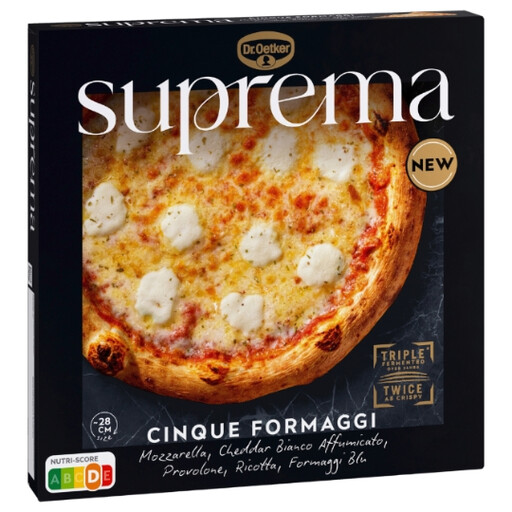 Image unavailable
For a served lunch where the choice of recipe matters, this pizza features a five-cheese topping. Check its ingredients and cooking instructions on the packaging when it arrives, before planning your batches.
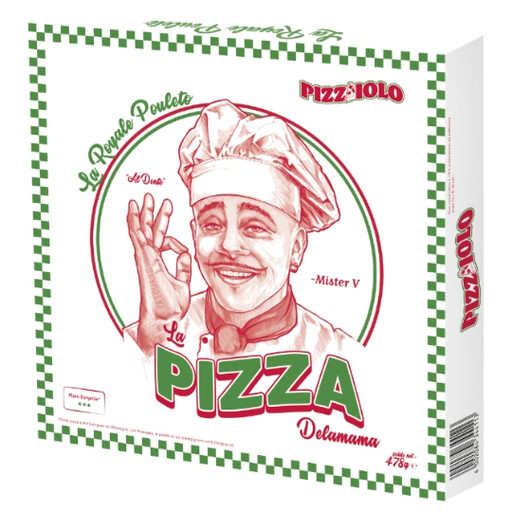 Image unavailable
This chicken pizza is worth considering for a served lunch. Check the ingredients and serving information on the packaging before adding it to the group menu.
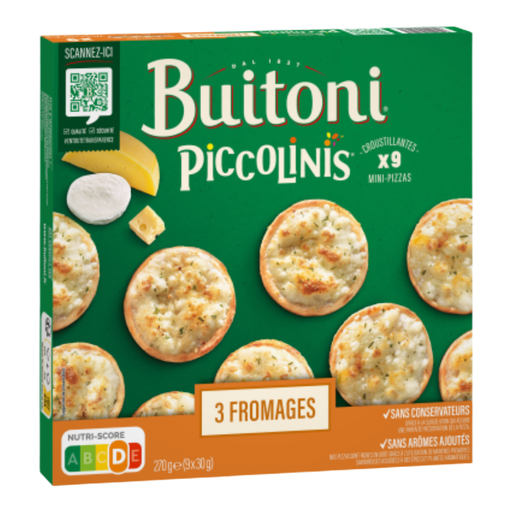 Image unavailable
The pack of nine can be served at a standing buffet without needing to slice a large pizza. Check the ingredients and cooking instructions for this variety before working out how many packs to order.
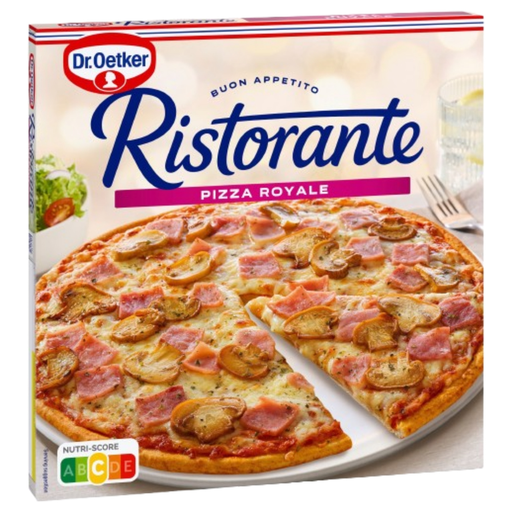 Image unavailable
This ham and mushroom recipe could be part of a served meal if it suits the group’s dietary requirements. Check the packaging for allergens and cooking instructions specific to this pizza.
 Image unavailable
This vegetable recipe can add variety to a conference menu, but it won’t automatically meet any particular dietary restriction. Check the ingredients, allergens and cooking instructions on the packaging.
Identify each pizza by its product name and check the packaging when it arrives before giving information to your guests. The DGCCRF states that allergens in prepacked foods must be emphasised in the ingredients list. Don’t assume a recipe is free from allergens based on its name alone.
Follow the instructions for the product you’ve chosen rather than using one method for all pizzas. The product listing for the Dr. Oetker Suprema with mushrooms, ricotta and lemon says to leave it at room temperature while the oven preheats, while the Picard Volcana listing says to leave it for 15 minutes before cooking. These instructions don’t apply to other varieties.
Make sure you have enough capacity for the products you order and their storage requirements. The product listings for the Dr. Oetker Suprema with mushrooms, ricotta and lemon and the Picard Volcana specify storage at −18 °C. Check the instructions on the packaging you receive and plan your delivery accordingly.