Know the calories in your meal
You want to work out how much you’ll actually eat, rather than relying on the figure per 100 g. A product labelled as one serving can make this easier.


When choosing a frozen pizza for one, start by checking the calories for the amount you’ll eat: the whole pizza, the stated serving or a few mini pizzas. Then compare the values per 100 g across recipes, while also checking the salt, allergens and cooking instructions. A lower value per 100 g doesn’t necessarily mean fewer calories for your meal.
You want to work out how much you’ll actually eat, rather than relying on the figure per 100 g. A product labelled as one serving can make this easier.
You’d like to compare toppings and their energy values on an equal-weight basis, while checking the calories in the whole pizza if you’re eating alone.
You’re looking for a format that’s easy to portion and can be cooked using your equipment. The number of servings on the pack and the product’s own cooking instructions matter just as much as its weight.
For a meal for one, first decide how much you’ll serve, then use the values per 100 g to compare recipes on an equal-weight basis.
| What to check | Look for | Who is it for? |
|---|---|---|
| Calories in your meal | The weight you’ll eat and the corresponding kcal, whether that’s one serving or the whole pizza. | I plan to eat the whole pizza and want to know its energy content before choosing; around 31% of consumers would put meal calories first. |
| Recipe and value per 100 g | The kcal per 100 g on an equal-weight basis, followed by the total weight of each pizza. | I’m choosing between different toppings and want to compare them using the same amount; around 31% of consumers would prioritise the recipe and its value per 100 g. |
| Serving and cooking | The number of servings stated and the cooking methods given on the packaging. | I’m making dinner for myself and want to serve a suitable amount using my equipment; around 23% of consumers would prioritise this convenience. |
| Ingredients | The salt content for the amount you’ll eat, the ingredients list and any highlighted allergens. | I check the ingredients and salt first, especially if an allergen affects me; around 15% of consumers would put ingredients first. |
Dr. Oetker lists 193 kcal per 100 g for Ristorante Vegetale, but 742 kcal for the whole 385 g pizza. For comparison between complete meals, Auchan lists 523 kcal for its 200 g 4 Cheese pizza.
Compare recipes per 100 g first, then check the calories for the amount you plan to eat.
Auchan describes its 335 g thin-crust mozzarella pizza as two servings of 167.5 g, at 426 kcal each. Eating the whole pizza therefore means roughly twice the calories shown per serving.
Before buying, decide whether you’ll eat one serving, share the pizza or save the other portion, following the packaging instructions.
Ristorante Vegetale contains cheese, cream and wheat, among other ingredients; it may also contain soya and mustard. The recipe name is no substitute for checking the ingredients list.
Check the ingredients and allergens for the specific product before buying.
According to the product information for the products mentioned, the 200 g Auchan 4 Cheese pizza contains 2.1 g of salt per pizza, while the Dr. Oetker Ristorante Vegetale contains 3.7 g per whole pizza.
Check the salt content for the portion you’ll eat, rather than comparing servings of different sizes.
These products give you a guide to weights and serving sizes, but their characteristics don’t automatically apply to other pizzas in the same range.
These two formats show why it’s important to check the number of servings before comparing calories for a meal on your own.
The recipes reviewed make it easy to distinguish the energy value per 100 g from that of a whole pizza.
The Maxi 4 Formaggi pizza shows why you need to work out the calories for the portion you’ll actually serve when choosing a large format for one.
The formats listed by E.Leclerc come in different weights, which you can compare with the amount you want for your meal.
This selection includes mini formats you can portion out, as well as whole pizzas in different weights. For each one, decide how much you’ll eat before assessing the calories in your meal.
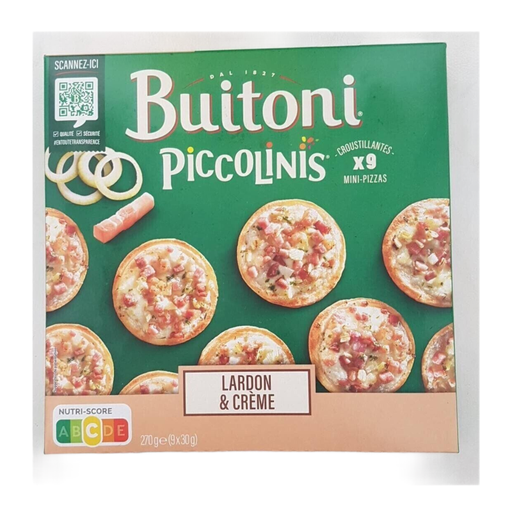 Image unavailable
With nine mini pizzas in the pack, you can set aside just some of them for a meal for one. Check the weight and calories for the amount you serve before comparing it with a whole pizza.
 Image unavailable
This vegetable-topped recipe can be compared with other pizzas on an equal-weight basis. Dr. Oetker lists 193 kcal per 100 g and 742 kcal for the whole 385 g pizza; adjust your comparison to the amount you’ll eat.
It contains wheat and milk; it may also contain soya and mustard.
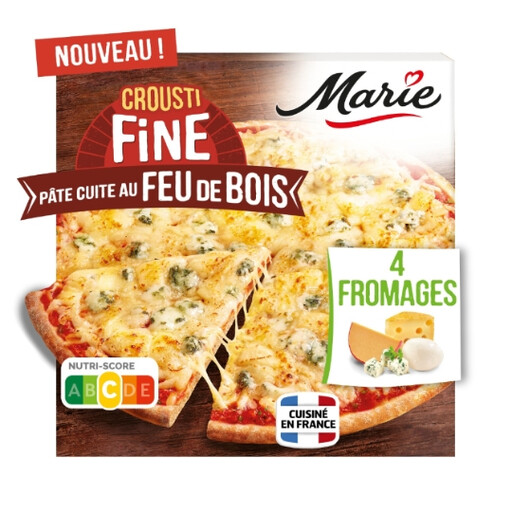 Image unavailable
If you’re considering this pizza for one, first decide how much you’ll serve. Its weight of 390 g alone doesn’t tell you how many calories your meal will contain.
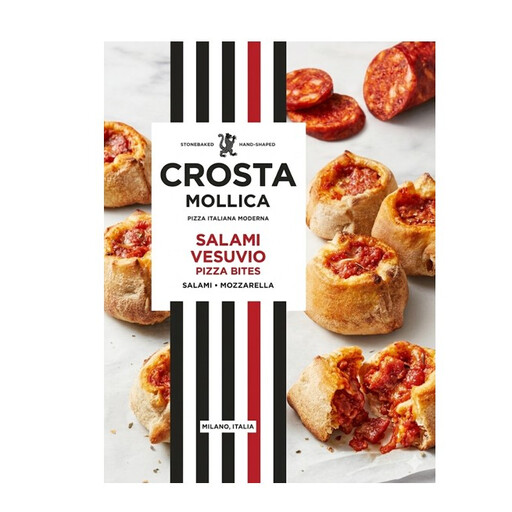 Image unavailable
Mini pizzas make it easy to have less than the whole pack. To work out the calories in your meal, weigh or check the amount you actually serve rather than assuming one mini pizza equals one serving.
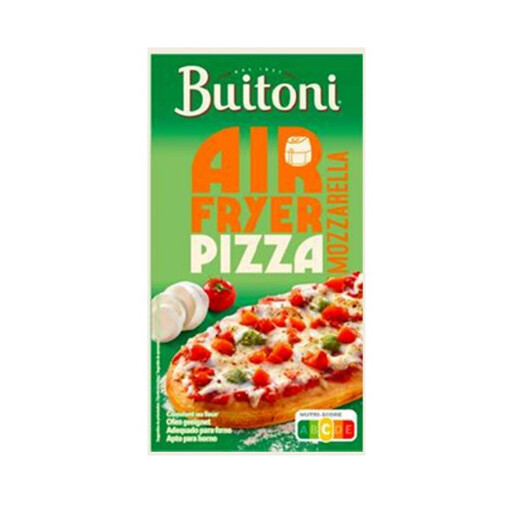 Image unavailable
At 195 g, the weight gives you a useful guide to the whole product if you plan to eat it on your own. The name mentions an air fryer, so check the packaging instructions before choosing how to cook it.
Compare their values per 100 g on an equal-weight basis, then calculate the calories for the amount you’ll eat. The DGCCRF states that nutritional information for pre-packed foods is given per 100 g or 100 ml; you can then use the weight and number of servings to work out the figures for your meal.
No. The recipe name alone doesn’t tell you how many calories your meal will contain. Dr. Oetker lists 193 kcal per 100 g for Ristorante Vegetale, but 742 kcal for the whole 385 g pizza; always compare the amounts you plan to eat.
No. If a pizza displays a Nutri-Score, check its calories per 100 g, its weight and the number of servings stated too. The score doesn’t tell you how much to serve.
Read the ingredients and check the allergens highlighted on the packaging of the product you choose. Dr. Oetker Ristorante Vegetale contains wheat and milk, and may contain soya and mustard; a recipe described as vegetable-based isn’t necessarily vegan or free from allergens.
The product information for the Auchan, Dr. Oetker and Carrefour products mentioned here says not to refreeze them after defrosting. Follow the storage instructions on the packaging of the pizza you buy.