People looking for a portion-sized snack
If you want to eat a small amount of pizza, a clearly stated portion weight helps you work out what you’re eating, rather than relying on the figures per 100 g alone.


To choose a frozen pizza as a snack while keeping an eye on your protein intake, compare the calories and protein per 100 g, then work out the figures for the portion you’ll eat. A tuna topping alone doesn’t make a pizza “high in protein”, and the figures for a whole pizza can be very different from those for a small portion.
If you want to eat a small amount of pizza, a clearly stated portion weight helps you work out what you’re eating, rather than relying on the figures per 100 g alone.
If protein is a factor in your choice, check the amount per 100 g and for the portion you plan to eat. The presence of tuna or cheese doesn’t, on its own, tell you how much protein is on your plate.
The ingredients list and allergen information come before any nutritional comparison. The tuna recipes featured here contain wheat, milk and fish, among other ingredients; always check the packaging of the product you buy.
For a snack, first decide how much you plan to eat, then compare the nutritional values for that same amount. Figures per 100 g make it easier to compare recipes, but don’t tell you everything about the portion you serve.
| What to compare | What to check | Who it matters to |
|---|---|---|
| Calories in your portion | Compare the kcal per 100 g, then factor in the weight of the portion you’ll actually serve. | If I want a snack rather than a whole meal, how much is on my plate matters just as much as the recipe; around 36% of consumers would make keeping track of calories in a portion a priority. |
| Amount of protein | Check the grams of protein per 100 g and calculate how much is in your portion. | When I’m tracking my protein intake, I want to know how many grams are in what I eat, rather than relying on the topping alone; around 29% of consumers would prioritise this figure. |
| Other nutritional values | Also check fat, including saturated fat, and salt per 100 g. | I don’t want to choose a pizza based on its protein figure alone if other nutritional values matter to me; around 21% of consumers would take this broader approach. |
| Allergens and preparation | Check the allergens for the exact product and follow its storage and cooking instructions. | If an ingredient could pose a risk to me, or I need to store the pizza before cooking, this information guides my purchase; around 14% of consumers would put it first. |
Auchan’s product details list 525 kcal for half a 215 g tuna pizza. So portion size can change what a comparison based only on figures per 100 g tells you.
Decide how much to serve before comparing the kcal per portion. For example, Buitoni’s three 90 g Piccolinis Tuna provide a different portion-size reference from a whole pizza.
Buitoni, Auchan and E.Leclerc list between 10 and 11 g of protein per 100 g for the tuna products described here. These figures alone aren’t enough to automatically label each product “high in protein”.
Check the amount of protein in your portion and distinguish this figure from any nutritional claim shown on the packaging.
Salt, fat and allergens can also affect your choice. Ingredients and any ‘may contain’ warnings vary by recipe.
Compare nutritional information on the same basis and read the ingredients list on the product you buy, especially if you need to avoid an allergen.
Auchan’s tuna pizza instructions say to store it at −18 °C and not to refreeze it after thawing.
Follow the storage and cooking instructions for the pizza you buy.
Buitoni’s Piccolinis Tuna are frozen mini pizzas, with a stated serving of three pieces, weighing 90 g in total.
Ristorante Tonno is a tuna pizza on a thin crust, listed on a Carrefour product page.
Carrefour Extra Tuna Pizza, weighing 350 g, is a different product from the Ristorante pizzas.
The Merveillosa Thon Turini pizza weighs 355 g and is one of the products featured by E.Leclerc.
Auchan’s 430 g tuna pizza is listed as two 215 g portions.
Lidl has a range of frozen pizzas and snacks.
These pizzas offer a range of formats and toppings. To find one that suits your snack, start with the amount you’ll serve and compare the nutritional information for each product based on that quantity.
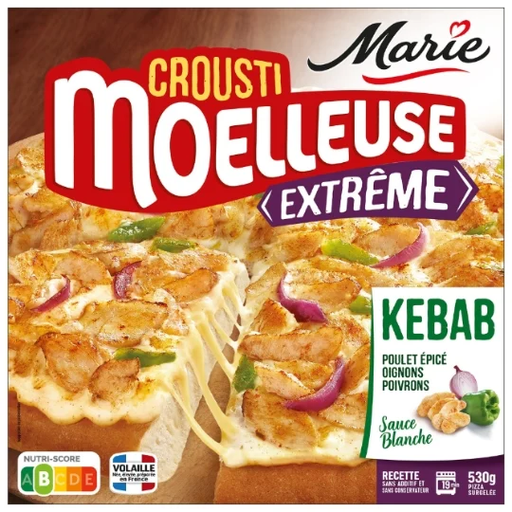 Image unavailable
This size could suit you if you plan to serve part of the pizza rather than count the whole thing as a small snack.
Listed weight: 530 g. Check the nutritional values for the amount you’ll serve and the cooking instructions on the packaging.
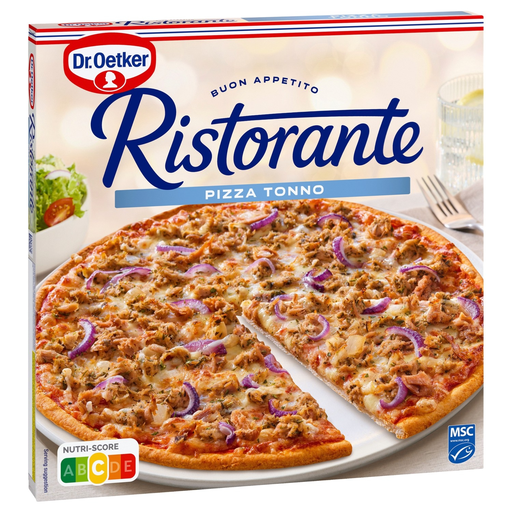 Image unavailable
If you’re looking for a tuna pizza, compare the protein and calories in the portion you plan to eat, rather than estimating them from the topping.
Listed weight: 355 g. Also check the ingredients and allergens for this product.
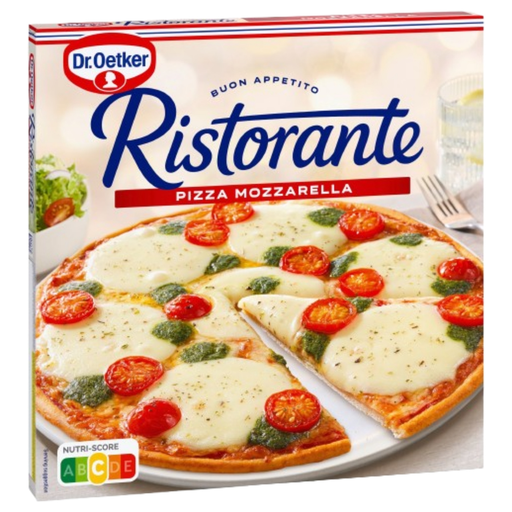 Image unavailable
To compare this recipe with a tuna pizza, use the nutritional values and weight of the portion you’ll serve, rather than the topping name.
Listed weight: 355 g. Check the calories, protein and salt on the packaging for this variant.
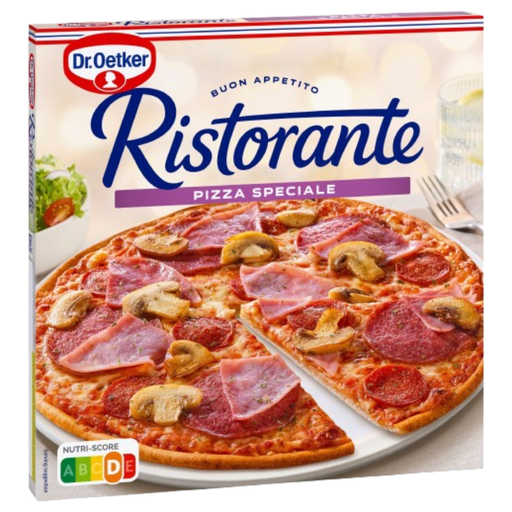 Image unavailable
If you’d like to have this as a snack, decide how much you’ll eat before assessing the nutritional values.
Listed weight: 345 g. Check the nutritional values and allergens for the Ham & Salami variant.
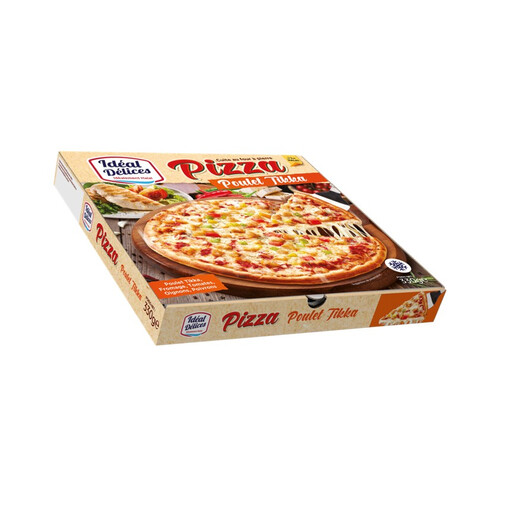 Image unavailable
To compare this recipe with the other pizzas in the selection, check both the calories and protein in the amount you plan to serve.
Listed weight: 330 g. Also check the ingredients and cooking instructions on the packaging.
First compare the grams of protein per 100 g, then work out how much protein is in the portion you’ll eat. Buitoni, Auchan and E.Leclerc list between 10 and 11 g per 100 g for the tuna products featured here; that doesn’t automatically mean they’re all “high in protein”.
No: the topping alone doesn’t tell you. Compare the kcal per 100 g for the two specific products, then check their weight and how much you plan to eat.
No, the Nutri-Score doesn’t tell you how much protein is in your portion. Carrefour’s product page for Ristorante Tonno shows a Nutri-Score of B; when choosing, also read the nutritional information and take the serving weight into account.
Check the allergens listed on the packaging for the exact product. The tuna recipes featured here contain wheat, milk and fish, among other ingredients; also check for any relevant ‘may contain’ warnings, as ingredients vary from one pizza to another.