Which option is right for you?

No-cook lunch at the office

If you can’t defrost or cook fish at work, look for a tin explicitly labelled as ready to eat. Auchan’s product listings describe the Saupiquet and Auchan natural sardine fillets as ready to eat, unlike whole frozen sardines.

Meals prepared in advance

If you have a freezer and cook at home, a pack of frozen sardines can help you prepare several lunches. You’ll need to cook the fish and have a way to transport and keep your meal chilled, in line with Anses advice on maintaining the cold chain.

Choosing fish with traceable origins

If the fish’s origin matters to you, check the information specific to unprocessed fishery products, including the species, production method and catch area. The DGCCRF also sets out information about the fishing gear used and whether the fish has been defrosted.

What should you check before buying?

Tinned fillets, ready to eat

Choose these if : you have no cooking facilities at work and want to open a portion for a cold meal.

Bear in mind : this format isn’t suitable if you want to store fish in the freezer. Once opened, follow the refrigeration instructions on the tin.

Whole frozen sardines

Choose these if : you can store them in the freezer and cook them at home before taking them with you.

Bear in mind : the 1 kg packs described by Auchan need to be prepared and portioned. Your lunch will then need to be transported and kept chilled.

Consideration What to check Who is it for?
No-cook meal Check whether the sardines are labelled as ready to eat or are whole and raw. Also compare the portion sizes. If I can’t cook at the office, I want to open my portion and eat it straight away. Around 36% of consumers would prioritise this.
Preparing food in advance Check the storage temperature and plan how to keep the fish chilled after buying it and when transporting your prepared meal. If I cook at home and take my lunch with me, I need to be able to keep the fish chilled until mealtime. This would be the main consideration for around 29% of consumers.
Storage and portions Compare the net weight and the form of the fish with the space available in your freezer and the number of meals you plan to prepare. A pack of whole sardines may mean more preparation than I want to do for a single lunch. Around 21% of consumers would put finding the right format first.
Origin and labelling For unprocessed fish, check the species, production method, catch area and any indication that it has been defrosted. When comparing two unprocessed fish products, I want to know where they come from and their status, not just see “sardines” on the packaging. Traceability would be the priority for around 14% of consumers.

Mistakes to avoid

  • Assuming frozen sardines are ready-to-eat fillets

    The GELUS and GELNIC products described by Auchan are whole sardines; GELNIC is explicitly described as raw. They aren’t portions you can open and eat as they are at the office.

    Check for terms such as “whole”, “raw” or “fillet”, as well as the preparation instructions. If you don’t have cooking facilities at work, look for a product labelled as ready to eat.

  • Buying a large pack without planning your portions

    The GELUS pack described by Auchan contains 1 kg of whole sardines and should be kept at −18 °C. The French Ministry of Agriculture advises against refreezing defrosted food, as this encourages bacterial growth.

    Before defrosting, work out how much you can prepare and store safely.

  • Forgetting to keep your food chilled while travelling

    Preparing lunch with frozen fish takes planning right through to lunchtime. Anses advises buying frozen products last, using an insulated bag and keeping the journey home as short as possible.

    Also make sure you have a way to keep your prepared lunch chilled when you take it to the office.

  • Comparing products by name alone

    The word “sardines” doesn’t tell you how the fish is presented or where it comes from. For unprocessed fishery products, the DGCCRF details the labelling information that lets you check the production method, catch area and whether the fish has been defrosted.

    Compare this information on unprocessed products if their origin or presentation affects your choice.

Brands and ranges to know

GELUS

The product described by Auchan is a 1 kg pack of whole frozen sardines, intended for cooking rather than opening for an instant lunch.

  • Auchan’s listing says to store at −18 °C.
  • As the sardines are whole, you’ll need to plan the preparation, cooking and portioning before taking them to the office.

GELNIC

Auchan describes this 1 kg product as whole, raw frozen sardines that need to be prepared at home.

  • The “whole, raw” description makes it clear that this isn’t a ready-to-eat fillet.
  • Cook the fish thoroughly before eating, in line with Anses advice on preparing fish.

Saupiquet

The 100 g natural sardine fillets described by Auchan can be eaten as they are for a no-cook lunch.

  • The listing says the ingredients are sardine fillets, water and salt.
  • Once opened, the listing says to transfer the contents to a suitable food container, refrigerate at between 0 and 4 °C and eat within 48 hours.

Auchan

The 70 g natural sardine fillets described by the retailer are a tinned portion for a meal with no cooking at work.

  • The listing says the ingredients are sardine fillets, water and salt.
  • Once opened, it says to transfer the product to an airtight container, refrigerate it and eat it within two days.

Tinned sardines for a no-cook lunch

These tinned sardines are a good choice for a no-cook lunch at the office. They aren’t a substitute for frozen sardines if your priority is to store fish in the freezer. Compare how they’re presented, their net weight and the information on each product.

CONNÉTABLE Boneless sardines in water, 98 g

CONNÉTABLE Boneless sardines in water, 98 g

A tin to consider for a no-cook lunch at the office.

Boneless sardines in water; stated net weight: 98 g. This isn’t a frozen product.

View on Joybuy

EL TATO Sardine fillets in olive oil, 115/81 g

EL TATO Sardine fillets in olive oil, 115/81 g

Tinned fillets to consider for a meal that needs no preparation at work.

Presented in olive oil; the title states 115/81 g. This format isn’t suitable if you need to store fish in the freezer.

View on Joybuy

CONNÉTABLE Sardines in extra virgin olive oil, 135 g

CONNÉTABLE Sardines in extra virgin olive oil, 135 g

A tin to consider if you want lunch without having to cook at the office.

Sardines in extra virgin olive oil; stated weight: 135 g. This isn’t a frozen format.

View on Joybuy

CONNETABLE Sardines in olive oil with Espelette pepper, 1/6, 115 g

CONNETABLE Sardines in olive oil with Espelette pepper, 1/6, 115 g

A tin to consider for a no-cook lunch at the office.

Presented in olive oil with Espelette pepper, 1/6 variant; stated weight: 115 g. It isn’t a substitute for frozen sardines if you need to store fish in the freezer.

View on Joybuy
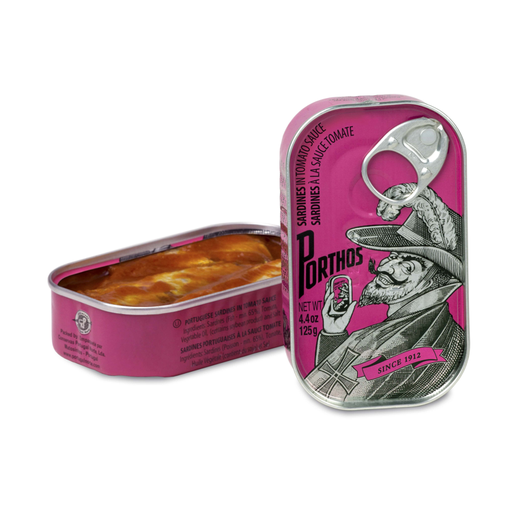
PORTHOS Vintage Sardines in tomato sauce, 112/81 g

PORTHOS Vintage Sardines in tomato sauce, 112/81 g

A tin to consider for a no-cook lunch at the office.

Presented in tomato sauce; the title states 112/81 g. This product isn’t frozen.

View on Joybuy

Frequently asked questions

Can you take frozen sardines to the office for lunch?

Yes, if you can prepare and cook them before eating, then keep the meal stored safely until lunchtime. The whole frozen products described by Auchan aren’t ready-to-eat fillets. If you don’t have cooking facilities at work, a tin labelled as ready to eat needs less preparation.

Can you refreeze defrosted sardines?

Don’t refreeze defrosted food: the French Ministry of Agriculture explains that doing so encourages bacterial growth. Plan your portions before defrosting.

What should you check on the label of unprocessed frozen sardines?

Check the commercial and scientific names, production method, catch area, fishing gear and any indication that the fish has been defrosted. The DGCCRF sets out this information for unprocessed fishery products; its labelling rules shouldn’t be applied to tinned products in the same way.

How should you store a tin of sardine fillets after opening?

Follow the instructions for the product you’ve chosen and put any leftovers in the specified container in the fridge. The Auchan listings consulted say to transfer the Saupiquet fillets to a suitable food container, store them at between 0 and 4 °C and eat them within 48 hours. For the Auchan product, use an airtight container and eat the fillets within two days.