What should you check before choosing?
Start with preparation and portion size, then compare the recipe and label. A premium description alone won’t tell you whether the meal is right for your lunch.
| What to consider | What to check | Who is it for? |
|---|
| Preparation |
The stated cooking time and whether the cooking method is compatible with your equipment. |
If my break is short, I want to be able to prepare the meal using the appliance I have. Around 28% of consumers would put this convenience first. |
| Ingredients and allergens |
The ingredients list, allergens and nutritional values per 100 g, followed by the amount you’ll eat. |
If I need to avoid certain ingredients or compare recipes, the label helps me make my choice. This would be the top priority for around 22% of consumers. |
| Recipe |
The ingredients and features actually listed for the meal you’re considering. |
To add variety to my lunches, I look at what the recipe contains rather than relying on its description alone. Around 22% of consumers would prioritise this. |
| Pack size |
The net weight, stated number of portions and instructions for storing leftovers. |
If I’m planning several meals or a lunch to share, I want a pack size that won’t leave me with leftovers that are difficult to manage. Around 17% of consumers would put this suitability first. |
| Storage |
The storage instructions on the packaging and the space available in your freezer. |
If my journey or storage arrangements make it harder to keep food frozen, I need to be able to get the meal back into the cold quickly. Around 11% of consumers would make this their main concern. |
Meals available on Joybuy
These Marie meals include a 300 g risotto to consider for lunch on your own, as well as several larger packs to look at for sharing or splitting between meals. Check the preparation instructions and number of portions for each product before choosing.
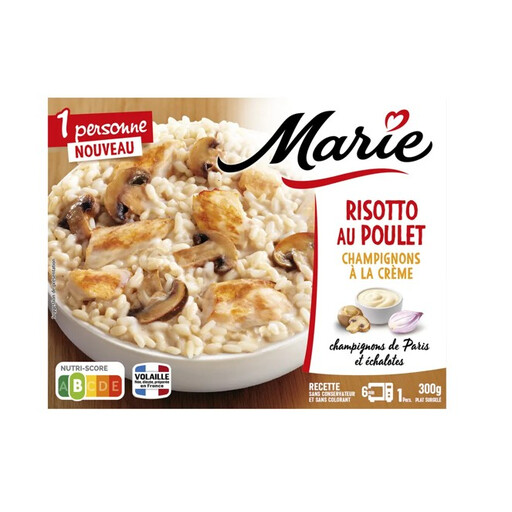 Image unavailable
Marie chicken and creamy mushroom risotto, 300 g
The 300 g pack could be worth considering for lunch on your own. Check the preparation instructions and whether this amount is right for your meal.
View on Joybuy
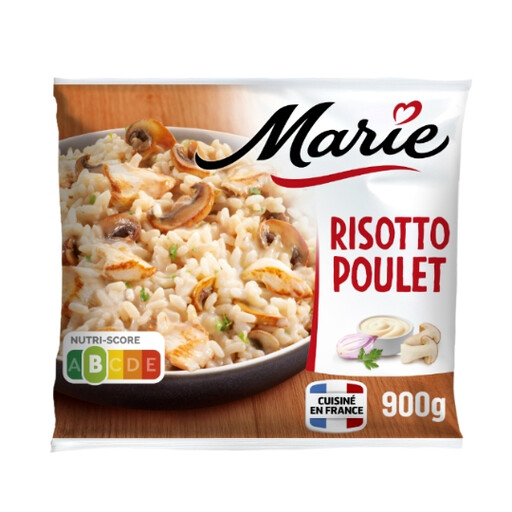 Image unavailable
Marie Plet Champ risotto, 900 g
This 900 g pack is worth considering if you’re planning to share the meal or divide it between meals. Check the number of portions and the reheating instructions.
View on Joybuy
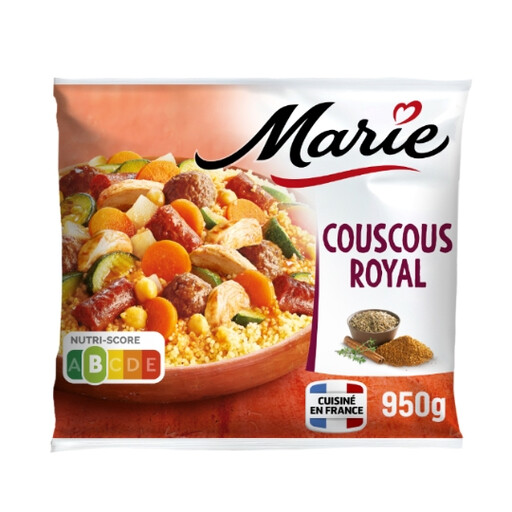 Image unavailable
Marie couscous with merguez sausages and chicken, 950 g
The 950 g pack could work well for a lunch to share. If you’re eating on your own, check the number of portions, as well as the reheating method and time.
View on Joybuy
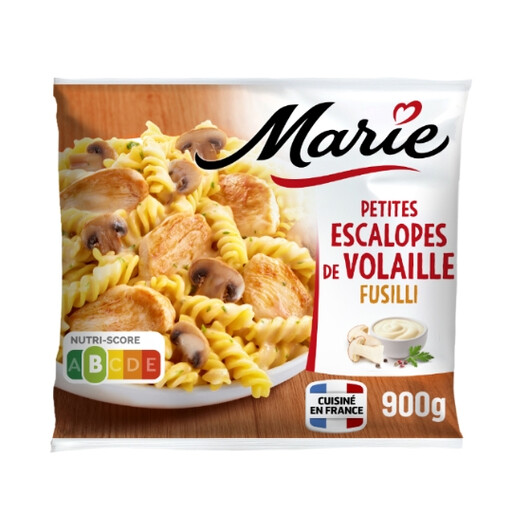 Image unavailable
Marie fusilli with poultry escalopes, 900 g
If you’re planning lunch for several people, take a look at this 900 g pack. Check how many portions it serves and whether you have time to reheat it.
View on Joybuy
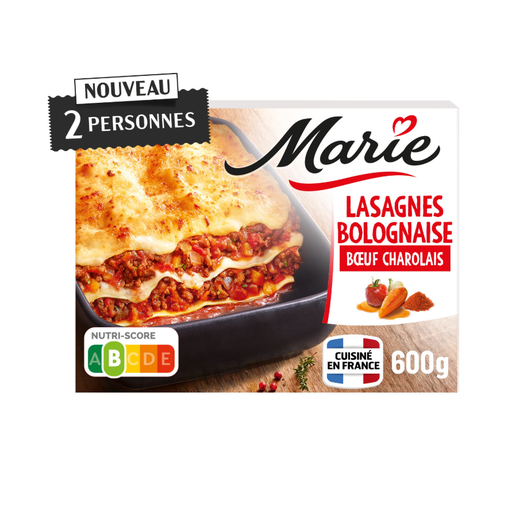 Image unavailable
Marie Charolais beef lasagne, 600 g
If you’re considering this recipe for lunch, check whether 600 g is enough for the number of people eating. Before choosing it for a short break, also check the cooking method and preparation time.
View on Joybuy
Frequently asked questions
Does a “premium” label tell you anything about nutritional values?
No, this description doesn’t tell you the nutritional values of a frozen meal. To compare two recipes, check their ingredients, allergens and nutritional values per 100 g, along with the portions you plan to eat.
How do you compare two meals of different weights?
Compare their nutritional values per 100 g, then check the net weight and number of portions. Information from Manger Bouger can help you identify sugars, fats, saturated fatty acids and salt, without confusing the per-100 g figures with the amount you’ll eat.
Does the Nutri-Score replace reading the label?
No. When shown, the Nutri-Score provides a rating calculated per 100 g, as explained by Manger Bouger; it doesn’t tell you which allergens to avoid or how much you’ll eat. You should also read the ingredients list and nutritional information.
How should you bring a frozen meal home?
Pick it up at the end of your shop, keep transport time to a minimum and follow the storage instructions on the packaging. The DGCCRF highlights that a rise in temperature speeds up the growth of microbes, so put the product back in the freezer as soon as possible.


