What should you compare?
For lunch at work, start with how much you’ll eat, then check the ingredients and whether you can prepare the product on site. An individual pack or the presence of vegetables doesn’t, on its own, mean a meal is low in calories.
| What to compare |
What to check |
Who it matters to |
| Energy and portion size |
Calories per 100 g, net weight and the amount you’ll actually eat. |
If I’m eating the whole tray or just a portion from the bag, I want to know how much energy my lunch will provide. Around 33% of consumers prioritise the amount they’ll actually eat. |
| Ingredients and salt |
The ‘salt’ line, ingredients and allergens; the Nutri-Score, if shown. |
Choosing a lower-calorie recipe doesn’t mean I can ignore what’s in it, especially if there’s an ingredient I need to avoid. For around 27% of consumers, ingredients are their main concern. |
| Preparing it at work |
Cooking method, equipment needed and number of portions. |
When I have a short break, I need a product I can prepare with the equipment available. For around 27% of consumers, whether it’s suitable to prepare at work comes before other considerations. |
| Planning and storage |
How much to portion out, freezer space and storage instructions. |
If I’m planning several lunches from a large bag, I need to be able to separate the portions and store the rest correctly. Around 13% of consumers prioritise this kind of planning. |
Retailers to explore
These retailers offer different formats of frozen meals and vegetables. To assess a particular recipe, check its packaging rather than relying on the name of the range or section.
Carrefour
Carrefour’s range includes individual frozen meals, sharing options and vegetable-based dishes.
- These formats make it easier to look for a ready-to-serve portion or a meal you can divide up.
- The category tells you nothing about the calories in the recipe you choose.
E.Leclerc / Marque Repère
E.Leclerc offers Marque Repère individual meals in a range of recipes and tray sizes.
- An individual pack makes it easier to see how much to take with you.
- An individual tray isn’t necessarily low in calories, so compare the nutrition information for each recipe.
Auchan
Auchan offers individual frozen meals and a Nutri-Score filter in its range.
- The filter can help you browse products when the logo is shown.
- Check the energy in the full portion and the salt content of the product you choose separately.
Picard
Picard offers several ranges of frozen prepared meals, including individual portions.
- You can compare different recipes based on the format you want for lunch.
- A range name or the presence of vegetables doesn’t determine a meal’s energy content.
Lidl
Lidl offers frozen prepared meals, with availability likely to vary by date and store.
- A one-off purchase could be worth considering if a product meets your criteria.
- Check that the product is available at your store and read the label for the exact recipe.
ALDI
ALDI’s prepared meals page is listed under savoury groceries and includes microwaveable products.
- The preparation method on the pack can help you rule out products that aren’t suitable for your workplace.
- For this particular choice, check that it’s a frozen meal, then read the label.
Joybuy products for lunch
These two frozen products suit different needs: a vegetable mix you can portion out to put together a meal, and a 200 g squid and vegetable salad. Check the preparation instructions before planning to eat either at work.
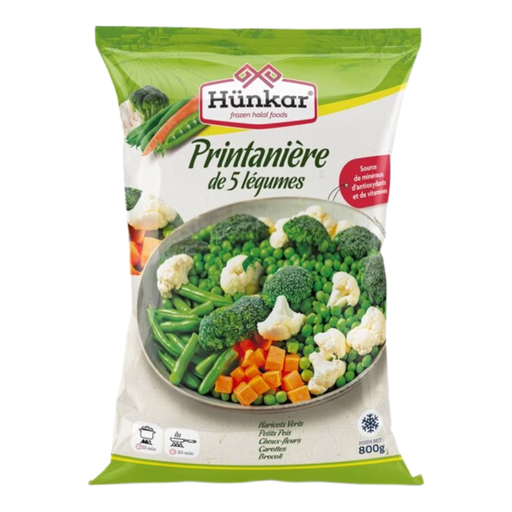 Image unavailable
HÜNKAR Spring Vegetable Dish, 800 g
This frozen vegetable mix is a good option if you want to decide how much to add to your lunch. The bag contains 800 g, so plan the portion you’ll take with you and check the preparation method and storage instructions before buying.
View on Joybuy
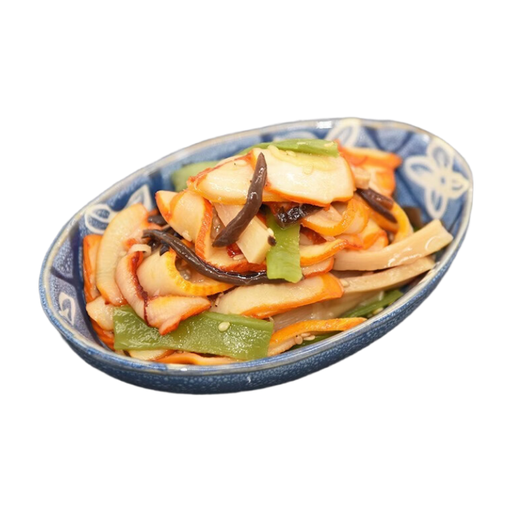 Image unavailable
MON PANIER D'ASIE Squid and vegetable salad, 200 g
This 200 g pack makes it easy to compare the energy per 100 g with the amount you plan to eat. It needs to be defrosted and cooked thoroughly, so check the instructions and whether you’ll have the right equipment at work. Also check the ‘salt’ line and allergens on the label.
View on Joybuy
Frequently asked questions
How do you compare the calories in two frozen meals?
Start by comparing the calories per 100 g in similar recipes, then factor in how much you’ll eat. The net weight and number of portions help you distinguish the figure shown on the pack from the calories in your lunch.
Is the Nutri-Score enough to help you choose lunch?
No. When shown, it can help you compare similar products, but it doesn’t replace checking the energy in your portion, the salt, ingredients and allergens. Santé publique France states that displaying it is voluntary.
What should you look for on frozen meal packaging?
When choosing your lunch, check the net quantity, ingredients list, allergens and nutrition information. The DGCCRF includes these among the labelling information for prepacked foods. You should also read the product-specific instructions.
How can you check the salt content without relying on the meal’s name?
Read the ‘salt’ line and compare it with similar recipes. Anses lists prepared meals among the sources of salt, so a name that suggests a lighter option isn’t a substitute for checking.
What should you bear in mind when taking frozen food to work?
Follow the storage and preparation instructions on the packaging, and check that you’ll have the equipment you need on site. Anses points out that a break in the cold chain or incorrect storage can encourage bacteria to grow.


