Students planning several lunches
If you can share a meal or prepare several portions, think about how many meals you’ll actually get from it and where you’ll store the rest.


For lunch on your own during a short break, a single portion is a good fit if you can prepare it using the equipment available at university. A sharing-size meal could cover several lunches, but only if you can portion it out, keep the leftovers chilled and avoid wasting them.
If you can share a meal or prepare several portions, think about how many meals you’ll actually get from it and where you’ll store the rest.
If you’re eating alone and won’t be portioning it out on campus, look for a single-portion meal and check the preparation instructions and equipment available.
If ingredients or allergens influence your choice, read the information for the specific meal you’re considering. Nutri-Score can also help you compare similar meals, but it’s no substitute for checking the label.
For lunch at university, start with the number of portions you’ll use, then check how the meal is prepared, what’s in it and how you can store it.
Choose this if: you’re eating alone and need to prepare your meal during a short break.
Bear in mind: the preparation method for your chosen product needs to suit the equipment available.
Choose this if: you’re sharing the meal or can plan several lunches around it.
Bear in mind: you’ll need suitable containers and a way to keep any leftover portions chilled.
| What to consider | What to check | What matters to shoppers |
|---|---|---|
| Portions you’ll use | The meal’s weight and how many lunches you’ll actually get from it. | If I buy a large meal, I want to be able to eat all the portions rather than throw any away. Around 33% of shoppers make using everything a priority. |
| Preparation during your break | The cooking method, suitable container and stated reheating time. | With little time between lectures, I need a meal I can prepare using the equipment available on campus. This matters to around 27% of shoppers. |
| Ingredients | Ingredients, allergens, nutritional values per 100 g and Nutri-Score for similar meals. | When choosing between recipes that suit me, I want to check their ingredients first. Around 20% of shoppers prioritise this. |
| Storage | Freezer space, containers for portions and keeping the food chilled during transport. | If I’m spreading a meal over several days, I need a way to store and transport each portion. Around 20% of shoppers put this planning first. |
A meal to share is less useful if you don’t eat the leftover portions.
Before you buy it, decide who you’ll share it with or when you’ll eat the other portions.
Portions for future lunches need to be stored properly. Anses also recommends picking up frozen food at the end of your shop and using an insulated bag to carry it home.
Check how much space you have, get your containers ready and plan your journey before you buy.
Preparation instructions vary between meals and their packaging.
Check the manufacturer’s instructions for the container, power setting and reheating time. Anses recommends following these instructions when reheating food.
According to Manger Bouger, this label is designed in part to help you compare similar products; it doesn’t tell you everything about the allergens in your chosen meal.
Compare similar recipes, then check the ingredients list and allergens on the packaging.
Carrefour offers 300 g Classic' single-portion meals and sharing sizes, including a 1 kg beef lasagne.
E.Leclerc offers Côté Table beef lasagne in 300 g, 600 g and 1 kg sizes.
Auchan offers single-portion meals as well as 900 g and 1 kg options labelled as serving several people.
ALDI offers LA CUISINE DES SAVEURS® 1 kg beef lasagne and other prepared meals in larger sizes.
Picard offers single-portion meals designed for microwave cooking, as well as meals to share.
Lidl has a frozen food section that includes frozen ready meals.
This 230 g gimbap could suit you if you’re looking for a single portion for lunch at university. Check the defrosting and storage instructions before planning to take it with you.
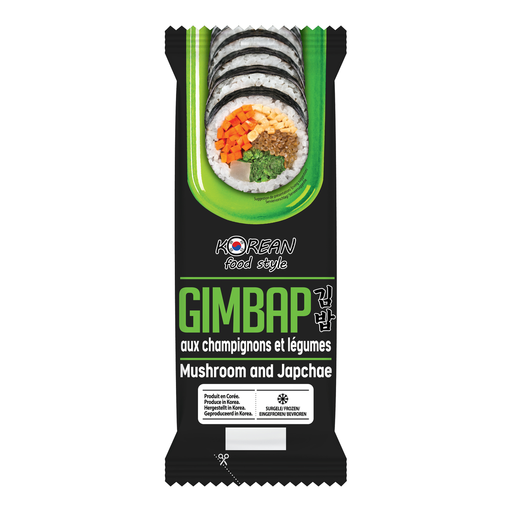 Image unavailable
Worth considering for lunch on your own, as long as you can follow the defrosting and storage instructions on the packaging.
Choose based on how many lunches you’ll actually get from it and whether you can store the rest. A 300 g tray and a 900 g or 1 kg meal call for different levels of planning.
Use it to compare similar meals, such as lasagne recipes from different brands. Manger Bouger explains that Nutri-Score is calculated per 100 g or 100 ml; also check the ingredients, allergens and nutritional information for each product.
No. Check that the instructions say both the meal and its container are suitable for microwave use. Follow the manufacturer’s guidance on power, cooking time and any other instructions, as Anses recommends.
Pick up frozen food at the end of your shop and use an insulated bag for the journey, in line with Anses guidance. If the meal starts to defrost, check its storage instructions before deciding when to eat it.