Students comparing the calories in their lunch
If you have a personal calorie target for this meal, the energy per 100 g isn’t enough: also check the kcal in the amount you plan to eat.


For lunch at university, compare the kcal in the amount you’ll eat, the meal’s ingredients and how it needs to be prepared, rather than relying on a ‘light’ label or the Nutri-Score alone. An individual meal is convenient if the portion suits you and you can heat it up. Putting your lunch together from frozen ingredients gives you more control over quantities, but takes more planning for preparation and transport.
If you have a personal calorie target for this meal, the energy per 100 g isn’t enough: also check the kcal in the amount you plan to eat.
An individual meal can make your lunch break easier. Before choosing one, though, check how it needs to be prepared, how long it takes to heat, and its ingredients and allergens.
A pack to portion out, or frozen ingredients to put together, can help you plan several meals. You’ll need to organise how they’re stored and decide how much to have for each meal.
Start with the portion you’ll eat, then check whether the product’s ingredients and preparation method suit a lunch on campus. The Directorate-General for Competition Policy, Consumer Affairs and Fraud Control points out that nutritional information is given per 100 g to make it easier to compare products.
| What to consider | What to check | Who this matters to |
|---|---|---|
| Energy in your portion | Compare the kcal per 100 g, then check the weight and kcal in the amount you’ll actually eat. | If I’m following a personal calorie target, I want to know the total for my lunch, not just the figure per 100 g. Around 36% of consumers would make this their priority. |
| What’s in your lunch | Check the ingredients, protein, fibre and allergens. Also consider what you plan to eat with the meal. | If I’m having this instead of a snack, I want to know what the whole meal contains. This would be the priority for around 29% of consumers. |
| Preparing it on campus | Check the cooking method, how long it takes and what equipment you’ll have access to. | If my break is short, I need to be able to prepare the product with the equipment available at university. Around 21% of consumers would prioritise this. |
| Pack size and storage | Check the number of portions, the freezer space available and any transport instructions. | If I’m planning several lunches, I want to portion them out without compromising how they’re stored. Around 14% of consumers would put this first. |
The whole tray can contain a very different total. Picard’s Bibimbap contains 147 kcal per 100 g, but 513 kcal in its 350 g portion.
Check the kcal per portion if they’re shown on the pack. For a sharing-size pack, first work out how much you’ll eat.
The Nutri-Score gives you an overall nutritional guide; it doesn’t tell you the total energy in the portion you’ll serve.
When comparing two similar products, also check their nutritional information and the size of your portion.
A frozen product you plan to eat on campus needs to be transported and stored correctly before you prepare it.
Plan how to transport and store it safely, follow the instructions on the pack, and don’t refreeze a product once it has thawed, in line with advice from the Ministry of Agriculture.
Product ranges can vary by shop and season. An item you’ve spotted for several lunches may not be available the next time you shop.
Check what your local shop has in stock and read the label on the product you actually choose before planning your meals.
Picard offers individual meals, including options in its ‘Plus d’équilibre’ range.
A retailer to check when comparing the labels on meals you’re interested in.
Auchan’s range distinguishes between individual and family-size ready meals.
E.Leclerc offers frozen ready meals as well as frozen vegetables for putting together a meal.
Lidl offers frozen ready meals, with its range subject to change over time.
ALDI offers ready meals and frozen vegetables, among other products.
These two FRESHASIA frozen chicken-filled buns need to be steamed. For lunch at university, check that you have access to the right equipment and work out how much you’ll eat before comparing the energy in your meal.
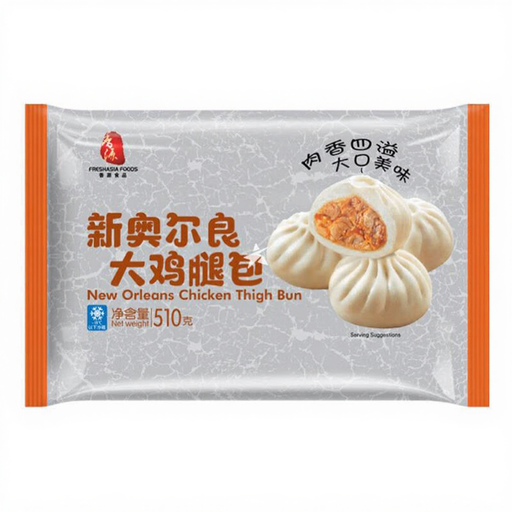 Image unavailable
Worth considering if you can steam your lunch and have 12 to 15 minutes to prepare it.
The pack contains 510 g. Work out how much you’ll eat to assess the energy in your portion. Check the packaging for allergen information.
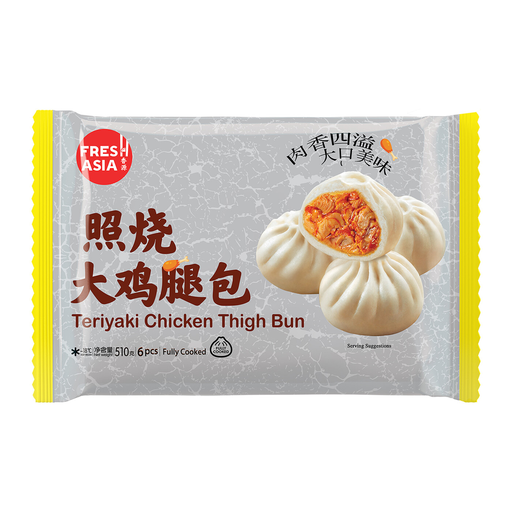 Image unavailable
Worth considering if you have access to a steamer. Check how long it takes to prepare before planning it for a short break.
The pack contains 510 g. Check how much you’ll eat, the cooking instructions and the allergen information on the packaging.
Compare the energy per 100 g, then compare the energy in the amount you’ll eat from each tray. As the Directorate-General for Competition Policy, Consumer Affairs and Fraud Control points out, giving information per 100 g makes products easier to compare, but it doesn’t tell you the total for your meal on its own.
No. The Nutri-Score doesn’t set a kcal limit for the portion you’ll eat. Check the energy in the nutritional information and take the serving size into account.
No. The Ministry of Agriculture advises against refreezing a product once it has thawed. Also follow the storage and preparation instructions on the packaging.
Keep it in the freezer as directed on the packaging and plan how to transport it while maintaining the cold chain. The Ministry of Agriculture recommends storing food in the freezer at −18 °C.
No. On its own, this label doesn’t tell you how many kcal are in the amount you’ll eat. Check the nutritional information, the weight of your portion and what the meal contains.