Choose a frozen meal based on how it needs to be prepared and what equipment is available at uni. A single portion with microwave instructions is a good fit for a short break, while a larger pack needs to be portioned out, with any leftovers stored safely. Before stocking up, check the space in your freezer, how you’ll transport the food and, if relevant, the ingredients and allergens in the specific product.
Who are these options for?
Students with access to a microwave
If you have a short break, look for a single portion with instructions for microwave preparation. Picard offers individual meals to heat in the microwave; always check the instructions for the specific recipe you choose.
Students preparing several lunches
A meal with several portions can cover more than one lunch if you can portion it out at home, store the leftovers safely and transport the portion you need that day in suitable conditions. Auchan, for example, offers frozen meals in both individual and family-sized packs.
Students with specific dietary requirements
If certain ingredients or allergens matter to you, check the label of each product rather than relying on its name. For prepacked foods, the DGCCRF says allergenic ingredients must be highlighted in the ingredients list.
What should you look for?
Start by checking how the meal needs to be prepared and how you’ll manage it between your freezer and uni. Then choose a pack size and recipe that suit your needs.
| Criteria | What to check | Who is it for? |
|---|
| Quick to prepare |
The cooking method shown on the pack and whether it’s compatible with the equipment available at uni. |
Between lectures, I want to be able to prepare lunch using the microwave I have access to, without needing any other equipment; around 27% of consumers would put this convenience first. |
| Several lunches |
The number of portions stated, how much freezer space you’ll need and whether you can portion out the meal. |
If I prepare meals in advance, I want to use all the portions in a larger pack and store any leftovers; for around 33% of consumers, managing their food stock would be the main concern. |
| Ingredients |
The ingredients list, highlighted allergens and nutritional information for the specific product. |
If a recipe needs to meet my dietary requirements, its name alone isn’t enough to help me choose; around 20% of consumers would put these checks first. |
| Transport and storage |
The storage temperature stated on the packaging and how you’ll keep the meal cold during your journey. |
If my meal has to wait between leaving home and my lunch break, I need to be able to store it as directed; keeping it cold throughout would be a priority for around 20% of consumers. |
Mistakes to avoid
-
Buying a large meal for one lunch
A meal with several portions means portioning it out and storing anything you won’t eat that day safely.
Before stocking up, check the number of portions stated, how much space you have and which containers you’ll use.
-
Assuming all meals can be microwaved
A meal that needs an oven, frying pan or steamer isn’t suitable for a break when you only have access to a microwave.
Check the preparation instructions on the packaging and make sure they match the equipment you have available.
-
Not keeping food cold during your journey
Storage conditions matter on the way home from the shops and into the freezer, as well as if you’re taking the meal to uni.
ANSES advises buying frozen food at the end of your shopping trip and keeping transport time to a minimum. Also check the storage temperature stated on the packaging.
-
Judging a meal’s ingredients by its name
Two meals with similar names can contain different ingredients. If it appears on the packaging, Nutri-Score doesn’t replace the nutritional information or ingredients list.
Check the label of the product you choose, paying particular attention to highlighted allergens. Santé publique France says that displaying Nutri-Score is voluntary.
Retailers to consider for this type of meal
Carrefour
Its frozen ready-meal range includes individual meals and meals designed for sharing.
- These categories make it easier to find a pack that suits a solo lunch or several meals to prepare.
- Check the specific product and its availability at the store where you plan to shop.
E.Leclerc / Côté Table
The Côté Table range includes frozen meals in different pack sizes, including meals designed for sharing.
- Choose a pack depending on whether you want to take one portion with you or portion out a meal at home.
- Check the preparation instructions and availability of the product you want.
Auchan
Its catalogue features individual frozen meals as well as recipes designed to serve several portions.
- This distinction helps you choose between a tray to take with you and a meal to portion out before lectures.
- Check the number of portions and preparation method for each product.
Picard
Picard has a category of meals to heat in the microwave, including options for a lunch break.
- The category makes it easier to find recipes that can be reheated this way.
- Don’t assume all the retailer’s recipes can be prepared in a microwave: check the packaging of the meal you choose.
Lidl
Lidl France’s prepared-meal section mainly features chilled ready meals.
- It can help you find other lunch options to prepare.
- If you’re stocking up your freezer, check that the product you’re considering is frozen and available at your store.
ALDI
The ALDI France catalogue includes ready meals that can be heated in a microwave.
- The preparation method can help you find a meal suited to the equipment available at uni.
- Check how each product should be stored and prepared, and whether it’s available locally.
Joybuy products to help you prepare lunch
These frozen foods suit different routines: defrosting gimbap in advance, heating soup with the right equipment or steaming buns before you head out. Check each product’s instructions before planning your lunch.
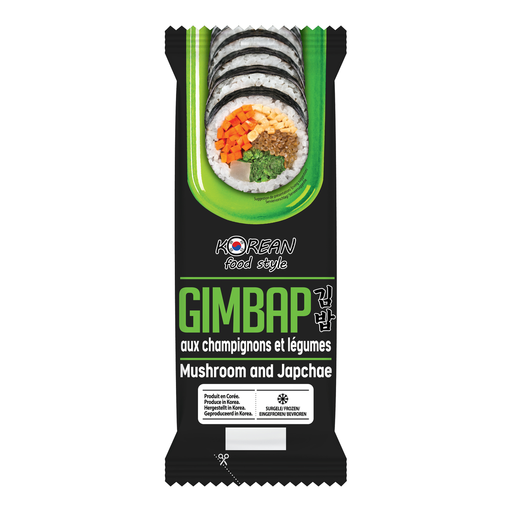 Image unavailable
KOREAN FOOD STYLE Gimbap with sautéed mushrooms and vegetables, 230 g
For a lunch portion prepared in advance, make sure to defrost it before eating and check the instructions on the packaging.
If you need to avoid certain ingredients, check the product’s allergen information.
View on Joybuy
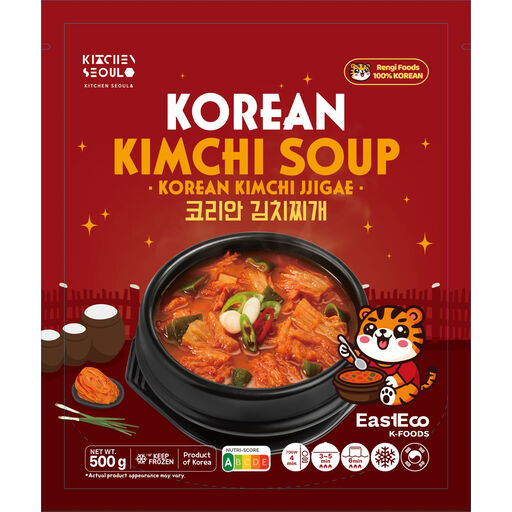 Image unavailable
EastEco Rengi's KOREAN KIMCHI SOUP (JIJIGAE), 500 g
For a hot lunch, check that the reheating method and instructions on the packaging are compatible with the equipment available where you’ll be eating.
If you plan to serve it with rice, prepare this separately.
View on Joybuy
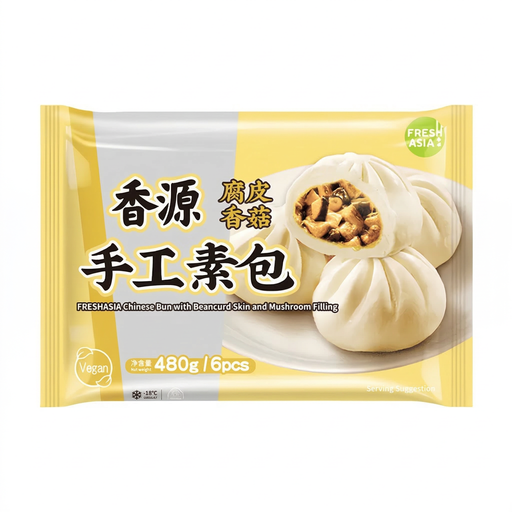 Image unavailable
FRESHASIA Chinese Bun With Beancurd Skin and Mushroom Filling, 480 g
If you’re preparing lunch before you head out, allow time to steam the buns and check the instructions on the packaging. You’ll also need to plan how to store the meal until lunchtime.
Check the ingredients and allergen information if you have specific dietary requirements.
View on Joybuy
Frequently asked questions
Can I take a frozen meal to uni in the morning to eat at lunchtime?
Yes, as long as you can keep it in the required storage conditions during your journey and until you eat it. ANSES recommends keeping transport time for frozen food to a minimum and using an insulated bag. Check the temperature stated on the packaging and the equipment available at uni.
Is Nutri-Score compulsory on frozen meals?
No. Santé publique France says that producers can choose whether to display it. If it’s shown, check the meal’s nutritional information and ingredients list as well.
How can I check the allergens in a frozen meal?
Read the ingredients list on the packaging of the specific product. The DGCCRF says allergens in prepacked foods must be highlighted in the ingredients list. The recipe name or a section filter isn’t enough to confirm what it contains.
Can I refreeze a meal that has defrosted?
No. ANSES advises against refreezing food once it has defrosted. Plan how you’ll transport and portion it accordingly, and follow the storage and preparation instructions on the packaging.


