People who check the energy content of the whole meal
If you plan to eat a whole tray, its net weight and kcal per 100 g let you calculate the energy content of that amount before you buy.


To choose a frozen meal under 500 kcal, calculate the energy content of the amount you’ll eat, rather than looking only at the value per 100 g. An individual tray makes this easy if you eat the whole thing; with a larger pack, you’ll need to decide how much to serve. Then compare the nutritional information, ingredients and allergens of similar products.
If you plan to eat a whole tray, its net weight and kcal per 100 g let you calculate the energy content of that amount before you buy.
When planning your meals for the week, you look beyond the calorie count. You also check the Nutri-Score, salt, ingredients and allergens in similar meals.
You’re planning several meals from one dish and need to distinguish between the pack weight, the stated number of servings and the amount actually served to each person.
When shopping for the week, start with the amount you’ll eat. This determines how to calculate the energy content, and helps you compare pack sizes and other criteria.
| Criteria | What to check | Who is it for? |
|---|---|---|
| Energy content of the meal | Check the kcal per 100 g and the weight you’ll eat. Multiply the two figures, then divide by 100; count any side dishes separately. | If I eat the whole tray, I want to know whether this particular meal stays under 500 kcal. Around 42% of consumers might make this their priority. |
| Nutritional information | When comparing similar meals, check the Nutri-Score, salt, fat, sugars, ingredients and allergens. | When planning my meals for the week, I want to look beyond calories and check what’s in each recipe. This could be a priority for around 25% of consumers. |
| Portion sizes | Compare the total weight and stated number of servings with the amount you plan to serve. | With a larger pack, I need to work out how many plates I’ll serve without confusing the stated serving size with my actual portion. Around 17% of consumers might prioritise this. |
| Preparation and storage | Check the preparation method and storage instructions, and plan to pick up frozen food at the end of your shop. | On busy days, I’m looking for a meal that suits my equipment and the time I have, while still being easy to store correctly. This convenience could come first for around 16% of consumers. |
A 300 g tray labelled as 159 kcal per 100 g contains 477 kcal if you eat the whole thing, based on the weight and energy value listed by Picard for its hake with chimichurri sauce.
Before deciding whether a meal fits your limit, calculate the energy content of the amount you’ll actually eat.
The Nutri-Score and the energy content of your portion answer different questions. The CLCV also found differences in the composition of meals in the same category in its survey of 150 fresh and frozen ready meals.
Compare the Nutri-Score of similar products, then check the nutritional values, ingredients and allergens of the meal you choose.
A pack labelled as containing several servings doesn’t tell you how much will be on your plate. For a 900 g or 1 kg meal, whether it stays under 500 kcal depends on the amount you actually eat.
Decide on your portion sizes before calculating the energy content of each one, and follow the product’s preparation instructions.
Your journey home and the time frozen food spends in your trolley both affect how well it stays frozen. Anses recommends buying frozen products at the end of your shop to maintain the cold chain.
Pick them up last, keep transport time to a minimum and put them away as soon as you get home, following the pack instructions.
These retailers offer different pack sizes. Always check whether the 500 kcal limit applies to the specific product and portion you’ve chosen.
Picard offers individual frozen meals, some of which list the weight and kcal per 100 g.
Carrefour’s frozen ready meals range includes individual portions as well as dishes designed for sharing.
Auchan separates individual frozen meals from family-size packs and offers, among other things, a filter by number of servings.
E.Leclerc offers Marque Repère frozen ready meals in individual and family-size packs.
Lidl offers a selection of frozen ready meals.
ALDI’s frozen food range includes ready meals and vegetables, which suit different types of meal.
These two products suit different needs when planning meals for the week: a pre-cooked frozen chicken dish and a vegetable dish that you can portion out or add to. In both cases, check the energy content of the amount you’ll actually eat.
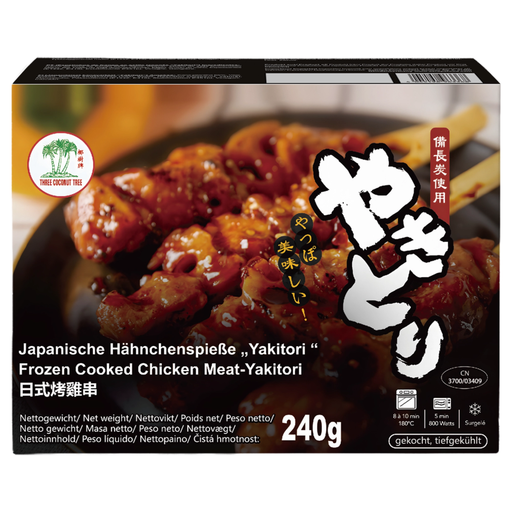 Image unavailable
Planning a weekday meal with pre-cooked chicken? Calculate the energy content of the amount you’ll eat and add in any side dishes.
Check the allergens and reheating instructions on the packaging before preparing it.
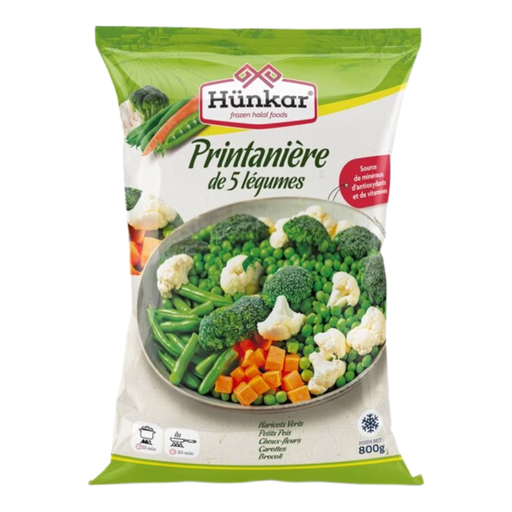 Image unavailable
If you’re using this vegetable dish to make several plates, decide how much you’ll serve at each meal before calculating the energy content.
Include any other ingredients in your calculation and follow the preparation instructions on the packaging.
Multiply the kcal per 100 g by the number of grams you’ll eat, then divide by 100. For example, a 300 g Picard hake tray labelled as 159 kcal per 100 g contains 477 kcal if you eat the whole thing. Count any side dishes separately.
No. The Nutri-Score doesn’t replace calculating the energy content of the amount you’ll eat. Use it to compare similar products, then check the kcal per 100 g and the weight of your portion.
Pick them up at the end of your shop to minimise the time they spend out of the freezer. Anses also recommends keeping transport time to a minimum to maintain the cold chain.
Follow the product’s storage instructions. Some Picard product pages state that a thawed product must never be refrozen. If you can’t be sure the meal has been kept at the correct temperature, don’t plan to store it for a meal later in the week.