Couples looking to keep preparation simple
A dish labelled as serving two gives you one recipe to share. Before choosing it, check that the cooking method suits your equipment and fits the time you want to serve dinner.


For an anniversary dinner for two, start with a meal labelled ‘serves 2’ or ‘2 portions’ if you want to serve one dish without juggling multiple cooking times. Two individual portions let you choose different dishes; a sharing dish can work too, as long as you consider the other courses and are happy to have potential leftovers. In either case, check the weight, cooking instructions and ingredients before you decide.
A dish labelled as serving two gives you one recipe to share. Before choosing it, check that the cooking method suits your equipment and fits the time you want to serve dinner.
Two individual portions let you each choose a different dish. You’ll need to check the ingredients and allergens for each one separately, then plan the cooking so you can serve both dishes at the same time.
With a starter or dessert, a sharing dish can fit neatly into the menu. Check how many portions it serves: a family-size format could leave you with leftovers after dinner for two.
First decide whether you want one dish to share or two separate dishes, then match the number of portions to the rest of the menu. Weight alone won’t tell you whether a dish is right for two people.
| Criterion | What to check | Who is it for? |
|---|---|---|
| Quantity for two | Whether it says ‘2 portions’ or ‘serves 2’, the net weight and what else you’re planning to serve. | If we’ve already planned a starter and dessert, I want to avoid a main that’s too filling or not enough. Around 36% of consumers would prioritise getting the quantity right. |
| Cooking arrangements | The equipment needed and the cooking time for each dish, especially if you’re choosing two different recipes. | I’d prefer to serve our meals at the same time without having to juggle several preparations. Around 29% of consumers would put easy cooking first. |
| How it fits into the menu | The recipe, number of portions and serving dish required. | For a special occasion, I’m looking for a recipe that goes with the other courses and the presentation I have in mind. This would be the main consideration for around 21% of consumers. |
| Dietary suitability | The ingredients list and allergens on the packaging of each product you choose. | If one of us needs to avoid an ingredient, I want to be able to check exactly what’s in each dish. Around 14% of consumers would put dietary suitability first. |
Picard, Carrefour and Auchan stock individual portions, dishes for two and sharing formats. The weight of a tray doesn’t tell you on its own how many portions it contains.
Check the number of portions shown, then compare the net weight with the starter, side dish and dessert you’re planning.
Getting the quantity wrong can leave you with leftovers or force you to add something to the meal at the last minute.
Two individual meals may need different appliances or cooking times, making it harder to serve them together.
Compare the instructions before you buy. If the cooking times don’t line up, plan which dish to prepare first.
A product name or photo won’t tell you whether it contains an ingredient you need to avoid. For prepacked food, France’s Ministry of the Economy states that allergens must be identified in the ingredients list.
Read the packaging of the product you actually buy, even if a different product was supplied as a replacement for your order.
Lidl France and ALDI France list offers with specific dates or products marked as unavailable. So a dish you spotted in advance may not be in your local store when you need it.
Confirm the product, its format and the collection or delivery options before building your dinner around it.
Checking in advance means you won’t have to find another recipe as dinner approaches.
Aisle categories can help you find the right format, but always check what’s available at your local store or for your address.
Picard separates ‘Meals for 2’ from ‘Sharing meals’ in its range.
Carrefour stocks individual and sharing portions of frozen ready meals.
Auchan distinguishes between individual meals, products with two portions and family-size formats.
E.Leclerc is another retailer to check if you’d like to buy dinner from your usual store.
Lidl France stocks frozen ready meals, some of which are available from a specific date.
ALDI France lists ready-meal product pages, with some products marked as unavailable.
If you’re putting together a meal with several dishes, this dim sum selection could work as a sharing dish. Compare its 360 g with the rest of the menu before deciding how much you’ll need for two.
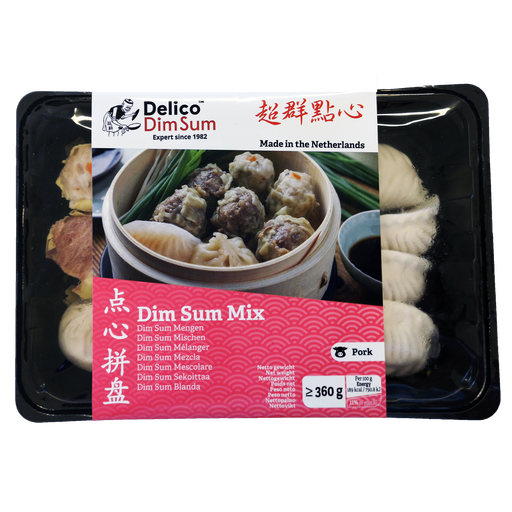 Image unavailable
A selection to consider if you’d like to share a few bites during dinner.
Net weight: 360 g. Check the packaging for the number of portions, cooking instructions and allergens for both guests.
First look for ‘serves 2’ or ‘2 portions’, then check the net weight and what else is on the menu. Bear in mind that the portion guidance should be considered alongside your guests’ appetites and the sides you’re planning.
No. Nutri-Score doesn’t replace checking the ingredients, allergens and portion size. Santé publique France explains that displaying it is voluntary; when it appears on comparable products, it provides additional nutritional information, but it shouldn’t determine your menu choice on its own.
Check the ingredients list and allergens on the packaging of the product you actually buy, rather than relying on the recipe name. France’s Ministry of the Economy states that allergens in prepacked food must be listed and highlighted.
Keep transport time to a minimum and follow the storage conditions on the packaging, as well as the cooking instructions. Anses reminds consumers that keeping food at a low temperature helps limit the growth of micro-organisms, so maintaining the cold chain matters even when you’re planning a meal for a special occasion.