Someone dining alone
An individual meal can save you opening a larger pack. Do check its weight and how it needs to be prepared, though: E.Leclerc and Auchan, for example, stock individual options.


For a TV dinner, start by choosing a format that suits the number of people eating and a preparation method that works with your equipment. Then compare recipes with a similar weight and number of portions. A ‘premium’ label is no substitute for checking the ingredients, allergens and nutritional information.
An individual meal can save you opening a larger pack. Do check its weight and how it needs to be prepared, though: E.Leclerc and Auchan, for example, stock individual options.
A meal to share could work if the number of portions suits everyone, with or without side dishes. Carrefour, E.Leclerc and Auchan offer both individual and family-sized formats.
When comparing two recipes, check the ingredients, allergens and nutritional values rather than relying on the name on the front of the pack. The DGCCRF stresses the importance of this information on prepacked food.
For a TV dinner, start with the number of people eating and how much time you have to prepare the meal. Then compare the recipes and labels of options that fit those requirements.
| Criteria | What to check | Who is it for? |
|---|---|---|
| Recipe | The product description, highlighted ingredients and cooking method. | If I want to choose dinner based on what I fancy first, the name and picture alone aren’t enough to compare recipes; around 25% of consumers would put the recipe first. |
| Preparation | The equipment needed and the steps shown on the packaging. | If I have little time before sitting down to eat, I want to know exactly what preparation involves; simplicity would come first for around 25% of consumers. |
| Format | The net weight, number of portions and suggested sides. | When we’re eating as a group, I look for an amount that suits us without automatically planning for leftovers; around 25% of consumers would prioritise the format. |
| Ingredients | Allergens, ingredients and nutritional values per 100 g. | If I need to take specific ingredients into account, I read the label before choosing a recipe; ingredients would be the first priority for around 25% of consumers. |
On their own, these tell you neither what the meal contains nor whether its format is right for your plans.
Compare the product description, ingredients, net weight and preparation instructions on the label.
The individual and family-sized options at Carrefour, E.Leclerc and Auchan cater for different numbers of diners. A large pack could leave you with unexpected leftovers.
Match the net weight and number of portions to your dinner, taking any side dishes into account.
According to Manger Bouger, this guide lets you compare products on a per-100 g basis. On its own, it doesn’t tell you about allergens, your portion size or your preferences.
Start by reading the ingredients list and checking the allergens, then compare the nutritional values of similar products. Use the Nutri-Score if it’s shown.
The DGCCRF states that a rise in temperature speeds up microbial growth. The product’s storage conditions also matter before you prepare it.
Pick up frozen food at the end of your shop, transport it appropriately and follow the temperature instructions on the packaging.
Compare each recipe and its label rather than choosing on the retailer’s name alone. The ranges available can vary by store and by when you shop.
Carrefour offers individual and sharing-sized frozen ready meals, including plant-based options and dishes inspired by different cuisines.
E.Leclerc offers frozen ready meals under its own brands, including individual and family-sized options.
Auchan groups its frozen meals into individual, family-sized and quick options, among others.
Lidl offers a selection of frozen ready meals, some of which may only be available during certain promotional periods.
ALDI describes its frozen food range as catering for everything from everyday meals to special occasions.
Picard specialises in frozen food and, according to the retailer, offers individual and family-sized recipes from a range of cuisines.
These stuffed buns, wontons and gimbap are recipe ideas to consider for a TV dinner. Before choosing, match the pack weight to the number of people eating and check the preparation instructions: these products don’t all use the same method.
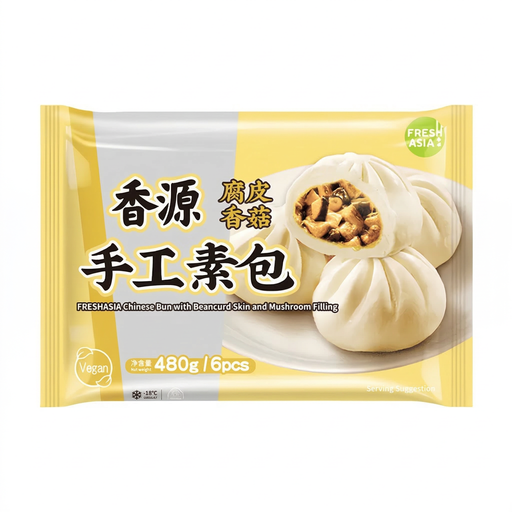 Image unavailable
Worth considering if you fancy mushroom-filled buns for dinner. They need steaming, so check the packaging to see how many people the pack serves.
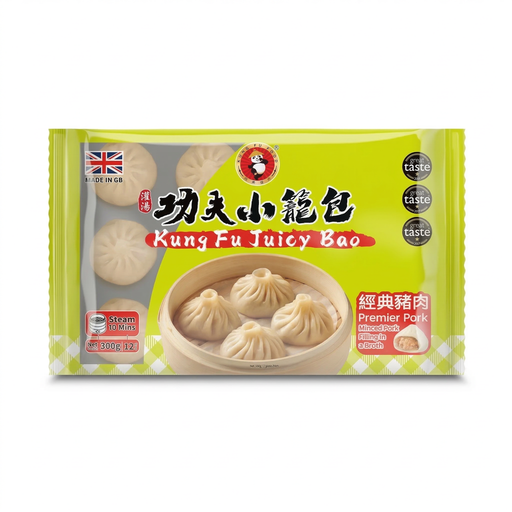 Image unavailable
These pork bites could work if you have the equipment to steam them. Check the preparation instructions and number of portions before serving them as the main part of your dinner.
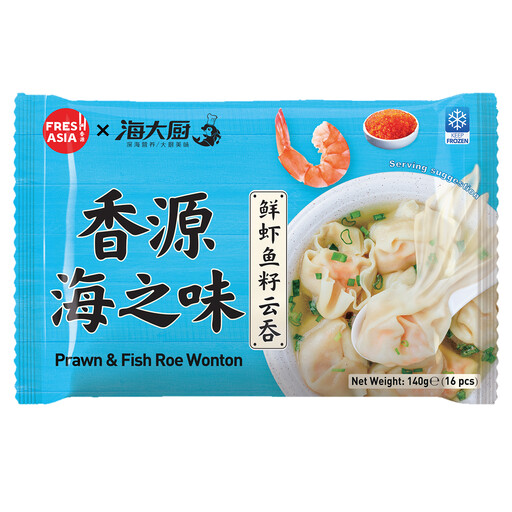 Image unavailable
Consider these if you’re looking for seafood wontons and can cook them in water. The pack includes a soup sachet; check the portions and add a side dish if needed.
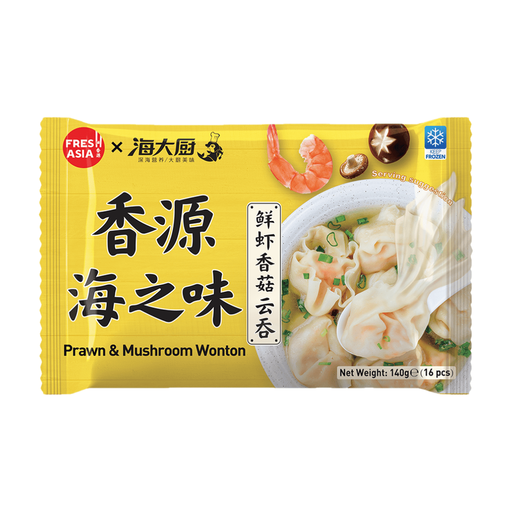 Image unavailable
This recipe could suit you if you fancy wontons in broth. There are two steps to preparing them, so read the instructions and check that the pack size works for your dinner.
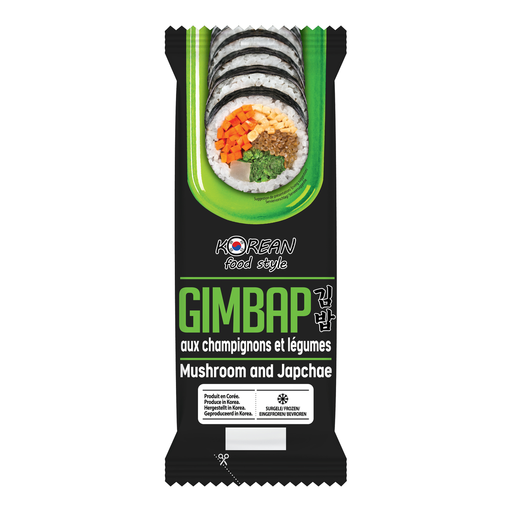 Image unavailable
This rice and vegetable gimbap is another option for a TV dinner. Check the defrosting instructions on the packaging and make sure there’s enough for everyone.
No. The label alone doesn’t establish that the ingredients are different. To assess the recipe you’re interested in, compare its product description, ingredients and nutritional values with those of a similar meal.
It’s a useful starting point, but compare it with the net weight, number of people eating and any sides you plan to serve. A family-sized meal won’t necessarily provide the amount you want for your dinner.
Start with the ingredients list and any highlighted allergens, then check the nutritional values. According to Manger Bouger, the Nutri-Score, when shown on the packaging, allows you to compare products per 100 g, but it doesn’t replace this information.
Keep the time it spends out of the freezer to a minimum and follow the storage temperature shown on the packaging. The DGCCRF reminds shoppers that a rise in temperature speeds up microbial growth, so plan how you’ll transport frozen food before you buy it.