People entertaining over the holidays
For a meal to share, compare the net weight and stated number of portions with the number of guests, taking any planned side dishes into account.


For a holiday meal, first choose a size that suits the number of people you’re feeding. A 300 g tray may work for one person, while a 900 g to 1 kg dish calls for a check of the stated number of portions before you share it. To compare recipes, look at the ingredients, allergens, nutritional information and cooking instructions rather than relying on the word ‘premium’. Remember to plan how you’ll transport and keep the food cold, too.
For a meal to share, compare the net weight and stated number of portions with the number of guests, taking any planned side dishes into account.
An individual portion can make serving easier, as long as the cooking instructions suit the oven or microwave available where you’re staying.
The ingredients list, allergens and nutritional information let you check the recipe itself, rather than relying on its name or packaging.
First decide how many people you’re catering for, then check the cooking options and ingredients of the recipe you’re considering.
| What to consider | What to check | Who it matters to |
|---|---|---|
| Portions to share | Net weight and stated number of portions, taking side dishes into account. | When I’m hosting several people, I want everyone to have a suitable portion, rather than choosing a size based on weight alone. Around 40% of consumers put sharing at the top of their list. |
| Preparing a meal where you’re staying | The appliance required, cooking method and time shown on the packaging. | If the accommodation has limited equipment, I need to be able to prepare the meal with the appliances available. This convenience is a priority for around 30% of consumers. |
| What’s in the meal | Ingredients, allergens and nutritional information for the exact recipe. | If guests have dietary preferences or restrictions, I’d rather check the recipe than rely on its product name. For around 30% of consumers, ingredients are the most important factor. |
The word alone doesn’t tell you which ingredients are in the meal or which allergens it contains. The DGCCRF reminds consumers that allergenic ingredients must be clearly highlighted on the labels of relevant food products.
Before buying, check the label for the product you’ve chosen, including its ingredients, net weight and nutritional information.
A 900 g or 1 kg meal won’t necessarily provide the number of portions you’re planning to serve.
Compare the stated portions with the number of people you’re feeding and the side dishes you plan to serve.
A long journey, especially in warm weather, makes it harder to keep food at the right temperature. Anses advises keeping the journey time for frozen food to a minimum and using an insulated bag.
Buy frozen food at the end of your shop and put it in the freezer as soon as you get back.
A recipe may not be suitable for one of your guests, and its cooking instructions may require an appliance that isn’t available where you’re staying.
Check the allergen information and cooking instructions for each meal before planning what to serve.
Its ready-meal range includes 300 g trays and larger sizes from 900 g to 1 kg.
Its range includes separate categories for individual ready meals and meals to share.
Its range includes individual meals, family meals and quick-cook options, with filters for portion count and Nutri-Score.
The Marque Repère range includes Côté Table and Tables du Monde meals, in sizes from 300 g to 1 kg.
This selection includes a 300 g meal and several larger sizes. Compare the weight with the meal you’re planning, then check the packaging for portion numbers, allergens and whether you can cook the meal with the equipment available where you’re staying.
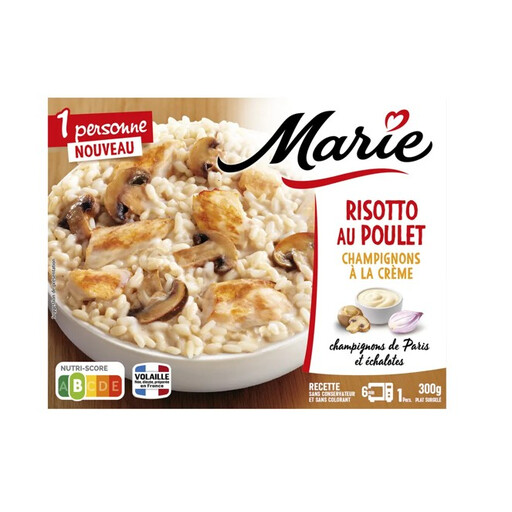 Image unavailable
This 300 g size is worth considering for an individual meal. Check that the microwave where you’re staying can heat this recipe as instructed.
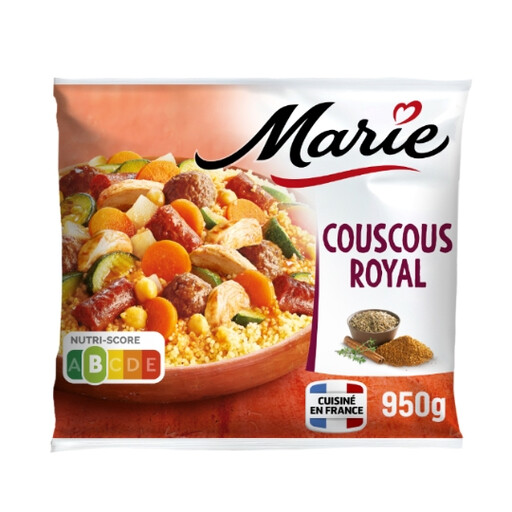 Image unavailable
For a meal to share, compare this 950 g dish with the number of guests and any side dishes you’re planning. Check the allergens and reheating instructions before you choose it.
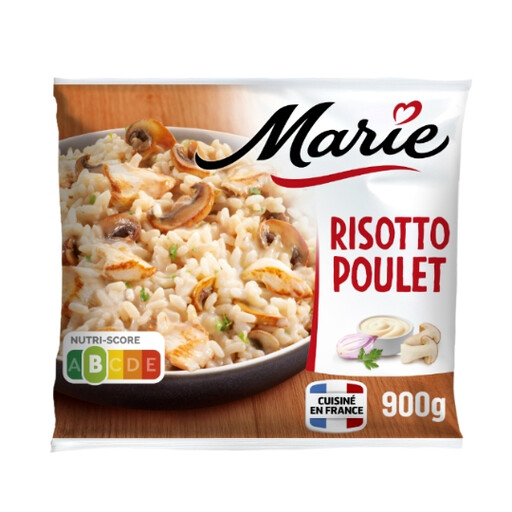 Image unavailable
This 900 g size may suit a meal to share if the stated portions work for your group. Check the product’s allergens and reheating instructions, too.
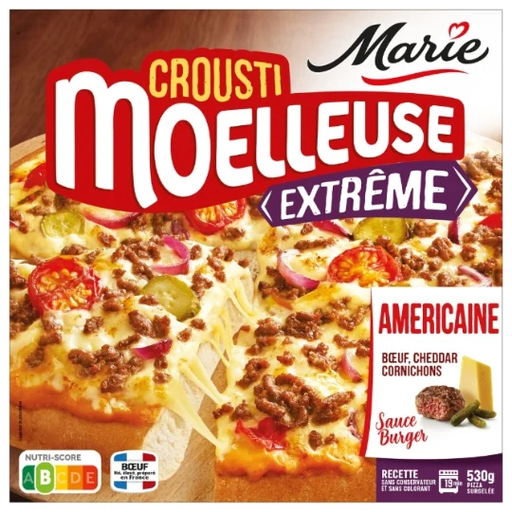 Image unavailable
If you’re planning a meal around a 530 g frozen pizza, check that the portions and toppings will suit your guests. Read the cooking instructions before relying on the oven where you’re staying.
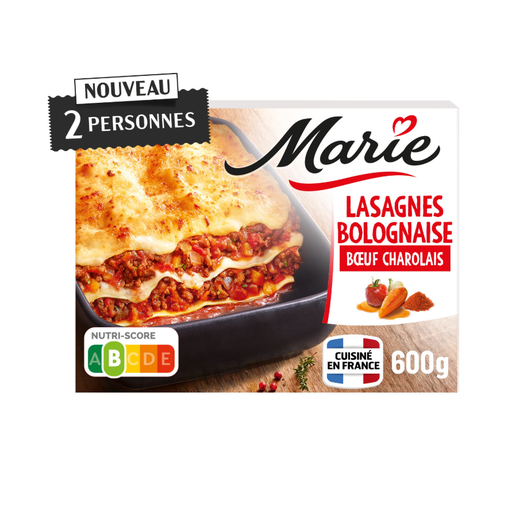 Image unavailable
Compare this 600 g meal with other sizes, based on the number of guests and any side dishes you’re planning. Check the portions, allergens and cooking instructions on the packaging.
No. Compare the recipe itself rather than relying on how it’s presented. Check the ingredients, allergens, net weight and nutritional information, then look at the portions if you’re planning to share the meal.
Buy it at the end of your shop, carry it in an insulated bag and get it into the freezer as soon as possible. These are the precautions Anses recommends to maintain the cold chain.
Anses advises against refreezing food once it has thawed. Also check the storage instructions on the packaging for the meal in question.
Check the ingredients list for the exact product. The DGCCRF says allergenic ingredients must be clearly highlighted there. Also read any ‘may contain’ information on the packaging.