Students comparing fat content
You want to choose a frozen dinner by checking the fat content per 100 g and per portion you’ll eat, rather than relying on the dish’s name or Nutri-Score alone.


For a student dinner, first compare the fat content per 100 g and per portion you’ll eat, then work out the cost per dinner. A single-portion pack means no leftovers to deal with; a larger pack may suit you if you can use the other portions and follow the storage instructions. If the pack displays a Nutri-Score, use it as a helpful extra rather than a replacement for the fat information.
You want to choose a frozen dinner by checking the fat content per 100 g and per portion you’ll eat, rather than relying on the dish’s name or Nutri-Score alone.
You’re considering a larger pack if you can split it across several meals and use the remaining portions. The price per kilo alone doesn’t tell you how much each dinner will cost.
You’re looking for a portion that suits one person and can be prepared with the equipment you have, while still being able to check the nutritional information before you buy.
When comparing frozen meals for dinner, start with the portion you’ll eat. That gives context to the fat content per 100 g, the cost of the meal and the pack size you choose.
| Criterion | What to check | Who it matters to |
|---|---|---|
| Fat in the portion you’ll eat | Compare the fat content per 100 g, then work out how much that means for the portion you’re planning to have for dinner. Check the ingredients and allergens too. | If I’m mainly watching my fat intake, I want to know how much is in my meal, not just what’s listed per 100 g. Around 42% of consumers would make this their priority. |
| Cost per dinner | Check the price per kilo, net weight and how many portions you’ll actually use. | When my budget depends on how many meals I can get from a pack, the portions left over matter just as much as the pack size. This would be the priority for around 33% of consumers. |
| Pack size and preparation | Check the number of portions and the preparation instructions against the equipment you have. | When I’m short on time or equipment, I need a portion I can prepare where I live. Ease of preparation would come first for around 25% of consumers. |
A plant-based recipe may contain sauces, cheese or breaded ingredients. According to the French Ministry of Health, Nutri-Score gives an overview of a food’s nutritional quality; on its own, it doesn’t tell you how much fat is in your portion.
Compare the fat content per 100 g with the amount in the portion you’re planning to eat. Use Nutri-Score as extra information when it’s displayed.
A single portion and a sharing dish don’t provide the same number of dinners. A larger pack won’t save you money if you don’t use the portions left over.
Compare the price per kilo with the amount you’ll eat at each meal, and check the storage instructions for any remaining portions.
Carrefour also includes chilled products in category results for frozen meals. They have different storage and preparation requirements.
Check the exact product to make sure it’s frozen, then read its storage and preparation instructions.
Two similar recipes may have different ingredient lists. The French Directorate-General for Competition Policy, Consumer Affairs and Fraud Control (DGCCRF) notes that prepacked food labels include details such as ingredients and nutritional information.
Read the highlighted allergens and any “may contain” warnings on the pack you choose, even if the product name is familiar.
Its frozen ready meals range includes separate categories for individual and family-sized packs.
The Eco+ range includes larger packs of frozen food.
Its prepared meals range includes single-portion and multi-portion packs.
Its range includes plant-based options and meals made with vegetables.
Lidl France lists frozen prepared meals, including offers that may only be available for a limited time.
ALDI France lists a frozen food range that includes pizzas and prepared meals.
These products let you consider two options for dinner: frozen corn arepas to serve with accompaniments, and chicken-filled buns. Compare how much you’ll actually eat and the ingredients in your meal before comparing them with a complete prepared meal.
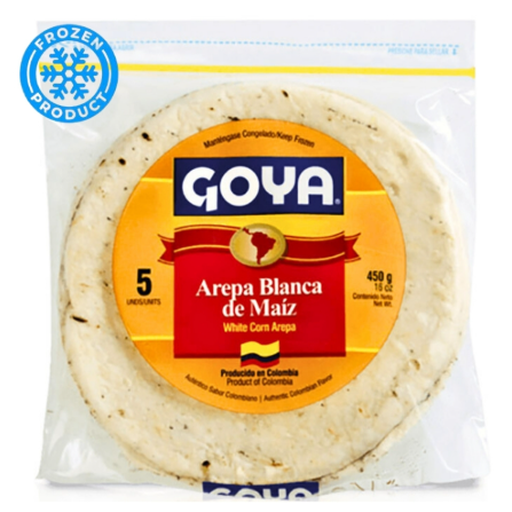 Image unavailable
These arepas can be part of a dinner. When comparing the fat content of the whole meal, take into account how many you eat and what you serve with them.
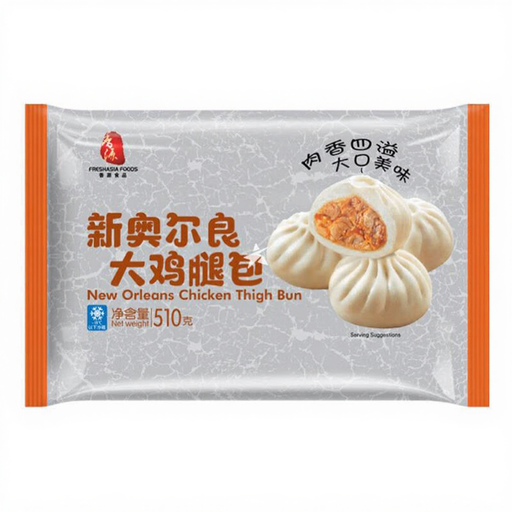 Image unavailable
If you’re considering these chicken-filled buns for dinner, check how many you’ll eat and whether you have the equipment needed for the stated steaming method.
First compare the fat content per 100 g, then work out how much is in the portion you plan to eat. The DGCCRF notes that nutritional information and net quantity are among the details to check on prepacked food labels. A recipe’s name alone isn’t enough to tell you whether it’s lower in fat.
No. Nutri-Score covers the overall nutritional profile, not just fat content. According to the French Ministry of Health, displaying it is voluntary. If it’s shown, check the nutritional information too and take your portion size into account.
Not necessarily. Whether a larger pack is worthwhile depends on the price per kilo and how many portions you’ll actually use. Compare the cost of your dinner with a single-portion option, and follow the manufacturer’s instructions for storing and preparing any leftovers.
Read the ingredient list for the exact product and check which allergens are highlighted. Look for any “may contain” warnings too, even if you already know a similar recipe with a familiar name.
Check the products and offer dates before planning your meals. Lidl France lists offers with specific dates, while the frozen range advertised by ALDI France doesn’t guarantee that a particular product will be available at your local store.