Who are these formats for?

Someone dining alone with little time

A single portion means you don’t have to divide up a larger dish or plan for leftovers. Auchan, for example, offers individual meals weighing 300 to 450 g. Check the number of portions and preparation time for each product.

A household sharing one dish

A family-size pack can make it easier to serve several people. Picard, Carrefour, Auchan and E.Leclerc offer sharing formats. Check the weight and stated number of portions for the recipe you choose.

Someone who pays close attention to recipes and labels

If the ingredients or nutritional information matter more to you than the packaging, compare the ingredients list, allergens and nutritional values. Manger Bouger recommends using the Nutri-Score, when displayed, to compare products in the same category.

What should you check before buying?

Start with the number of people you’re serving and how much time you have, then compare recipes that genuinely suit your dinner plans.

What to consider What to check Who it matters to
Quick preparation Preparation method and time stated for the product; number of portions. When I’m dining alone after a busy day, I want to know how long it’ll be before I can serve dinner. Around 29% of consumers would prioritise this convenience for a single portion.
Sharing format Net weight and stated number of portions; whether you can serve the amount you need. When I’m serving several people, I need a dish with portions to suit my table, rather than assuming a large pack will be enough. Around 24% of consumers would prioritise this sharing format.
A more elaborate recipe Product name, ingredients list and whether it actually has the features highlighted. If I want a dinner that’s a little different, I look at what’s in the recipe rather than the packaging alone. Around 24% of consumers would put the ingredients and recipe first.
Ingredients and allergens Allergens and nutritional values per 100 g; Nutri-Score, if displayed, when comparing products in the same category. When I need to take ingredients into account or compare the contents of two dishes, the label becomes my main priority. Around 23% of consumers would prioritise this check.

Mistakes to avoid

  • Assuming “premium” means a recipe will suit you better

    The term doesn’t tell you how many portions there are, what the ingredients are or how much preparation is needed on a weeknight. Check these details for each product.

    First decide what you want from dinner, then check the weight, portions, ingredients and nutritional information for the dish you’re considering.

  • Choosing a large format without checking the portions

    A 900 g or 1 kg pack won’t automatically serve the number of people at your table: portion guidance varies from recipe to recipe.

    Before choosing a family-size format, compare the net weight and stated number of portions with the number of people you’re serving.

    A pack that’s too large could also leave you with leftovers to deal with after dinner.

  • Looking only at the Nutri-Score

    Manger Bouger explains that the Nutri-Score can be used to compare products in the same category when it’s displayed. It doesn’t replace checking the ingredients and allergens.

    When comparing two similar recipes, also look at the ingredients list and nutritional values per 100 g.

  • Planning a specific recipe without checking local availability

    Products featured by Lidl may only be available on specific dates, while some Aldi product pages show that an item is unavailable. So a recipe you spot online may not be available at the store you’ve chosen.

    Check what’s available at your local store or through your delivery service before planning dinner around a specific product.

Where to compare recipes

Picard

Picard offers frozen ready meals in individual and sharing formats, as well as vegetable-based recipes.

  • Some products specify particular features, such as the origin of their ingredients or a label associated with them.
  • Check these details on the dish you’re considering: they don’t apply to every recipe from the retailer.

Carrefour

Carrefour’s frozen ready-meal range includes individual meals, sharing dishes and world cuisine.

  • These categories make it easy to start by choosing a format that suits your dinner.
  • Then compare the products themselves: a category or sub-range doesn’t mean they all have the same ingredients.

Auchan

Auchan offers individual and family-size meals, as well as products grouped under “quick cooking”.

  • Individual portions weighing 300 to 450 g and larger packs can help you narrow down your options based on the number of people you’re serving.
  • For a “quick cooking” product, check the cooking time and method on the packaging.

E.Leclerc

E.Leclerc offers Marque Repère frozen meals, including the Côté Table and Tables du Monde ranges.

  • Individual and family-size formats give you options to compare for the meal you have in mind.
  • Check the recipe and portion information instead of assuming what it contains based on the range name alone.

Lidl

Lidl has a frozen ready-meal section, with some products available only on specific dates.

  • The range can help you find a recipe that suits the dinner you have in mind.
  • Check the dates and what’s available at your local store before counting on a particular dish.

Aldi

Aldi’s frozen food range includes pizzas and ready meals.

  • Product pages make it easy to see what type of dish is on offer.
  • A product page may show that an item is unavailable, so check what’s available locally for your planned dinner.

Frozen meals and preparations available on Joybuy

These products offer different ways to put together a dinner from the freezer: a 230 g gimbap, a soup to serve with an accompaniment to suit your meal, and filled buns to cook. Check the portions and preparation instructions for each product before choosing.
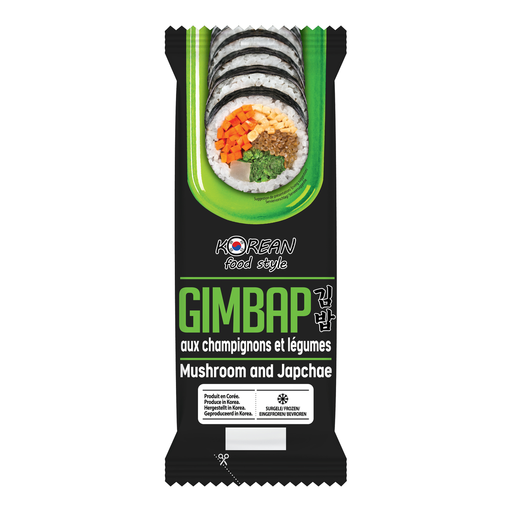
KOREAN FOOD STYLE gimbap with sautéed mushrooms and vegetables, 230 g

KOREAN FOOD STYLE Gimbap with sautéed mushrooms and vegetables, 230 g

For a dinner for one, check whether the 230 g format is the right amount for you and allow for the defrosting time stated for this product.

View on Joybuy
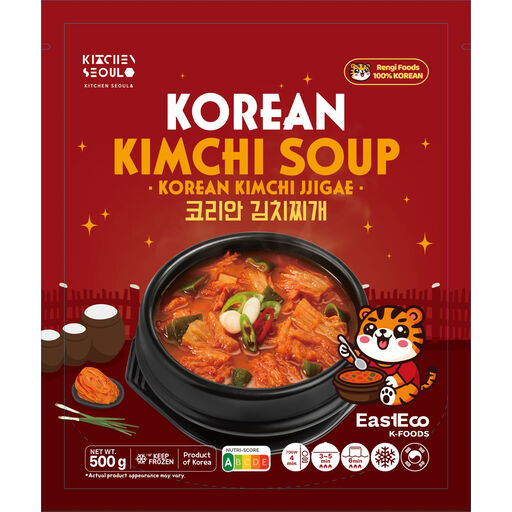
EastEco Rengi's KOREAN KIMCHI SOUP (JIJIGAE), 500 g

EastEco Rengi's KOREAN KIMCHI SOUP (JIJIGAE), 500 g

If you’re thinking of having soup for dinner, decide whether you’d like to serve it with an accompaniment, such as the rice suggested for this recipe. The pack weighs 500 g; check the number of portions and cooking time before planning your meal.

View on Joybuy
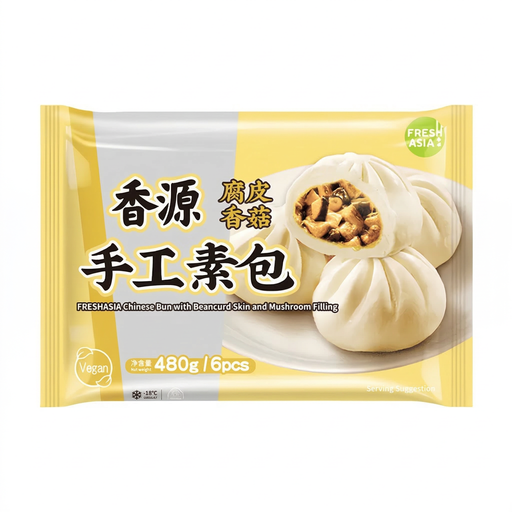
FRESHASIA Chinese buns filled with tofu skin and mushrooms, 480 g

FRESHASIA Chinese buns filled with tofu skin and mushrooms, 480 g

If you’re planning a dinner with filled buns, check how many pieces and portions are in the 480 g pack. Steam the buns for 10 to 12 minutes once the water has come to the boil; do not eat them raw.

View on Joybuy

Frequently asked questions

How do you compare two frozen meals in different sizes?

Compare their net weight and stated number of portions to see which one suits your table. To compare their nutritional content on a like-for-like basis, use the values per 100 g shown on the labels. The DGCCRF states that nutritional information is given per 100 g or 100 ml.

Is the Nutri-Score enough to choose a frozen meal?

No. When displayed, the Nutri-Score helps you compare products in the same category, as Manger Bouger explains. Also check the ingredients, allergens, number of portions and nutritional values for the specific recipe.

What should you check if someone you’re serving has an allergy?

Read the ingredients list and any precautionary statements on the packaging for the exact product, rather than relying on its name or image. The DGCCRF states that allergenic ingredients must be highlighted on the label.

How should you transport frozen meals after shopping?

Keep transport time to a minimum and, ideally, use an insulated bag, in line with the French Ministry of the Economy’s advice on maintaining the cold chain. Then put the products in the freezer promptly, following the instructions on their packaging.

Is an AOP, MSC, ASC or “French meat” label enough to choose a recipe?

No. Such a label describes a specific feature when it appears on the product in question, but it doesn’t tell you everything about the dish. Also check the ingredients, allergens, portions and preparation method before deciding whether the recipe suits your dinner.