When choosing a frozen meal for its protein content while keeping an eye on calories, compare the nutritional values per 100 g, then work them out for the portion you’ll eat. A ‘high-protein’ label or Nutri-Score alone won’t tell you what the whole meal provides. Check the salt content too, and distinguish between a complete meal and an ingredient you’ll need to build your meal around.
Who is this guide for?
People keeping an eye on the calories in their meals
You’re looking for a convenient meal and want to compare its energy and protein content. Values per 100 g let you compare products like for like; the portion weight then helps you work out what you’ll actually be eating.
People who want a quick meal with minimal preparation
You’re looking for a frozen portion that’s easy to heat up. A range labelled as high-protein can point you in the right direction, but you’ll still need to check the calories and portion size of each product.
People comparing products in store
You’re happy to compare several frozen meals or put together a meal using frozen ingredients. Check the nutritional information for each product rather than assuming that every product in the same range meets your needs.
What should you compare?
For frozen meals, start with the values per 100 g to compare products on the same basis, then check the weight of the portion you’ll eat. The DGCCRF states that nutrition declarations include information such as energy, fat, sugars, protein and salt.
| What to compare |
What to check |
Who is it for? |
| Calories per portion |
The kcal per 100 g and the weight of the amount you’ll eat. |
If I eat the whole tray, I want to know the calories in the meal, not just in 100 g. Around 42% of consumers prioritise the calories in their portion. |
| Protein in the meal |
The protein per 100 g and the amount in your portion, without overlooking calories and salt. |
For a protein-focused meal, I want to check the amount on the label rather than rely on the dish’s name. Protein content is the main concern for around 33% of consumers. |
| Convenience |
The format, number of portions and preparation instructions. |
When I’m looking for a meal that’s easy to plan, I distinguish between a dish that just needs heating and an ingredient that needs cooking. Ease of use comes before other considerations for around 25% of consumers. |
Mistakes to avoid
-
Assuming high protein means low calories
Protein content alone doesn’t determine how many calories a product contains. For example, a protein cereal bar listed by Auchan provides 494 kcal and 26 g of protein per 100 g. That doesn’t make it a suitable benchmark for a frozen meal.
For the meal you’re considering, check energy, protein, fat, sugars and salt together, then factor in your portion size.
-
Looking only at values per 100 g or per tray
Values per 100 g let you compare products on a like-for-like basis, while the amount you eat affects the nutritional value of your meal.
Check the weight of your portion and work out the values for that amount using the figures per 100 g. Also check whether the pack contains more than one portion.
-
Using Nutri-Score as your only guide
According to Manger Bouger, Nutri-Score is calculated per 100 g or 100 ml and its use is voluntary. On its own, it doesn’t tell you how many calories or how much protein is in the portion you’ll eat.
Use it as extra information when comparing similar products, then check the nutrition declaration and portion weight.
-
Leaving frozen food out of the freezer for too long
Transport and storage are practical considerations when choosing frozen food, especially if you have more shopping to do after buying it.
ANSES recommends picking up frozen food at the end of your shopping trip, using an insulated bag and not refreezing food once it has defrosted. Always follow the storage and preparation instructions on the packaging too.
Retailers to browse when comparing frozen food
Picard
Picard has a frozen food range called ‘Hyperprotéinée’ (high-protein), which includes products for meals and snacks.
- The dedicated section makes it easier to find products worth checking if protein is one of your priorities.
- The range name alone won’t tell you the calories, salt or contents of a portion. Also distinguish between meals and snacks.
Carrefour
Carrefour product pages may list the ingredients and allergens for each product.
- This information helps you check the contents of your chosen product before buying.
- Check the nutritional values and portion size separately for each frozen meal you’re considering.
E.Leclerc
E.Leclerc offers a range of frozen ready meals under its Eco+ brand, in a variety of formats.
- The pack size helps you find products with a quantity suited to the meal you have in mind.
- To check the protein and calorie content, read the nutrition declaration for the specific meal.
Auchan
Auchan product pages may show ingredients, allergens, storage instructions and nutritional values.
- This information lets you compare a product based on its stated characteristics, rather than its name alone.
- Information for a chilled product won’t tell you about a frozen meal. Check the page for the exact product you’re considering.
Lidl
Lidl’s frozen food range includes ready meals, pizzas and snacks, as well as meat and poultry.
- These categories make it easy to look for either a prepared meal or an ingredient to build a meal around.
- Read the nutritional values for the product you choose. The category alone won’t tell you its calorie or protein content.
ALDI
ALDI’s frozen food range includes ready meals, vegetables, meat and fish.
- Distinguishing between meals and ingredients helps you choose the type of preparation you’re looking for.
- To compare the nutritional content of a meal, check the products and quantities you’ll actually use.
Joybuy products to build a meal around
These frozen chicken skewers and chicken breasts are ingredients to use as part of a meal, not complete meals in themselves. Compare the pack size with the amount you plan to prepare, and check the nutritional information for the portion you’ll eat.
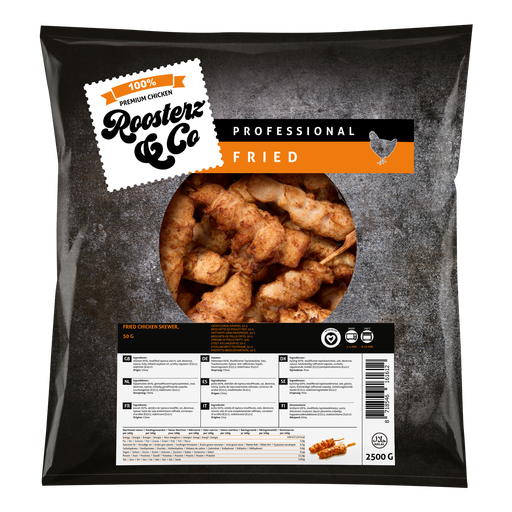 Image unavailable
ROOSTERZ & CO Fried Chicken Skewers, 50 g, 2.5 kg pack
Consider these as one part of a meal rather than a complete dish. The product name states that the skewers are 50 g each and come in a 2.5 kg pack. Check the nutritional values for the amount you’ll eat.
View on Joybuy
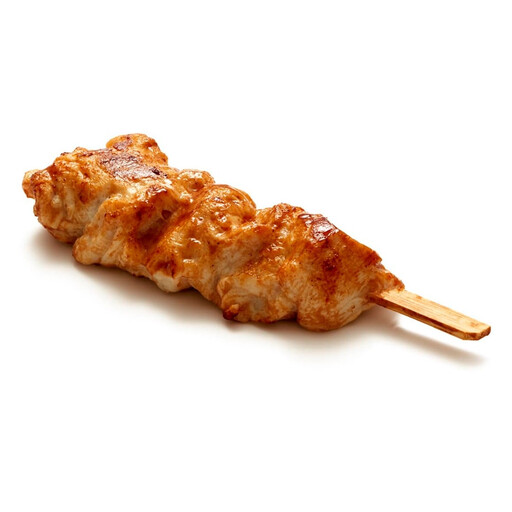 Image unavailable
ROOSTERZ & CO Fried Chicken Skewers, 100 g, 2.5 kg pack
Worth considering if you’d like to use chicken skewers as part of a meal. This version is labelled ‘100 g’ and comes in a 2.5 kg pack. Compare the amount you prepare with the nutritional values on the packaging.
View on Joybuy
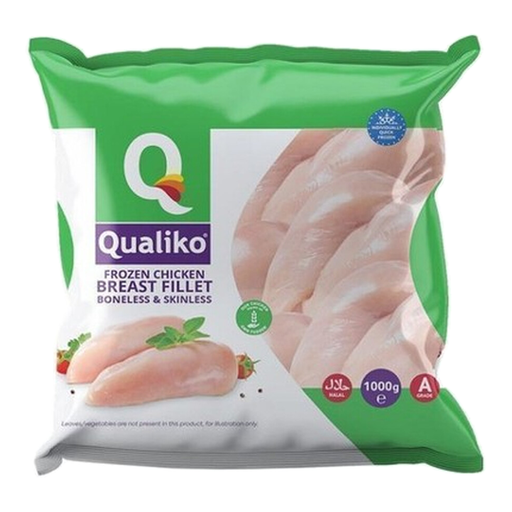 Image unavailable
Qualiko Frozen Chicken Breasts, halal, 1 kg
Choose these as an ingredient if you’d rather prepare your own meal than buy a ready meal. The pack is labelled ‘1 kg’. Check the cooking instructions and nutritional values for your intended portion on the packaging.
View on Joybuy
Frequently asked questions
What should I compare on the label of a frozen meal?
Compare energy, protein, fat, sugars and salt per 100 g, then factor in the amount you’ll eat. The DGCCRF states that these details are included in the nutrition declaration for prepacked foods.
Is Nutri-Score enough to assess the protein and calories in a meal?
No. It doesn’t replace the quantities in the nutrition declaration or the portion weight. Manger Bouger explains that it’s calculated per 100 g or 100 ml and isn’t required to be displayed, so check the label for the specific product.
Where can I check the allergens in a frozen meal?
Check the ingredients list for the product you’re buying. According to information published by the French Ministry for the Economy, allergenic ingredients must be listed and highlighted on food labels.
How should I transport frozen food after shopping?
Pick it up at the end of your shopping trip and carry it in an insulated bag. ANSES recommends keeping transport time to a minimum and not refreezing food once it has defrosted. Follow the storage instructions on the packaging too.


