What should you check before buying?
First decide how many meals you need and who will be eating them, then check the ingredients and preparation instructions for each product. A large pack is only practical if you can use its contents while keeping them properly stored.
| What to consider |
What to check |
Who is this for? |
| Appetite and meal composition |
Compare protein and energy per 100 g, then consider how much will be served. Work out whether the dish needs a side. |
When my appetite is smaller, I want to plan a meal I can manage, rather than choosing a small portion just because it seems light. Around 33% of consumers would put this concern first. |
| Pack size for your stock-up |
Compare the pack weight and stated number of portions with the number of people eating. Check how the meal should be reheated. |
If I usually eat alone, I’d rather be able to serve a suitable amount without leaving leftovers that are difficult to manage; around 25% of consumers would prioritise pack size. |
| Individual dietary needs |
Read the ingredients and allergen information. If a modified texture or prescribed diet is needed, ask the relevant healthcare professional to confirm the choice. |
When I need to account for an allergy, difficulty swallowing or specific dietary guidance, the meal’s suitability matters more than convenience. Around 17% of consumers would put this first. |
| Storage and preparation |
Plan how to keep the food cold during transport, and check the storage, defrosting and cooking instructions. |
To make sure a large stock-up doesn’t become difficult to use, I need to be able to put the products away quickly and follow their preparation instructions. Storage would be the main concern for around 25% of consumers. |
Joybuy products to build your stock-up
These products give you the option of serving vegetable dumplings to share or in a suitable portion, alongside spinach in cream sauce as a side. Check what else will make up the meal: the product names alone don’t show that any of these items will meet the person’s needs as a meal on its own.
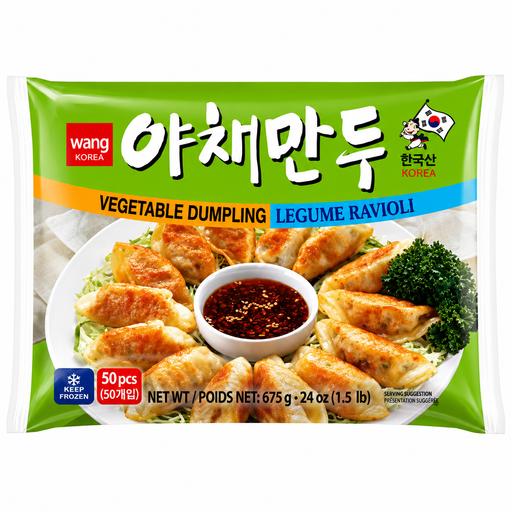 Image unavailable
Wang Yachae Mandoo vegetable dumplings, 675 g
Worth considering for a shared meal or if you can serve the amount you need. If one person will be eating alone, check how many meals you can make from the bag and how to store the product according to the packaging.
If the person has specific dietary requirements, check the ingredients and allergen information before buying.
View on Joybuy
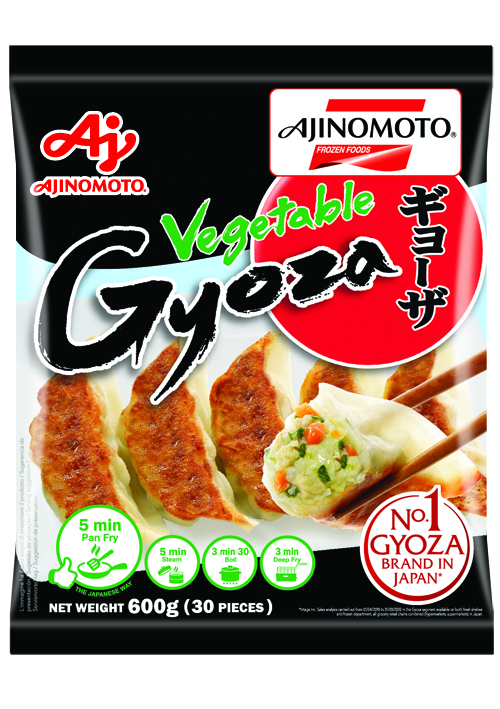 Image unavailable
AJINOMOTO vegetable gyoza, 600 g
These gyoza could be part of a stock-up for meals served to different numbers of people. Work out how much will actually be eaten, then compare the nutritional information for that amount.
Check the allergen information and preparation instructions on the packaging.
View on Joybuy
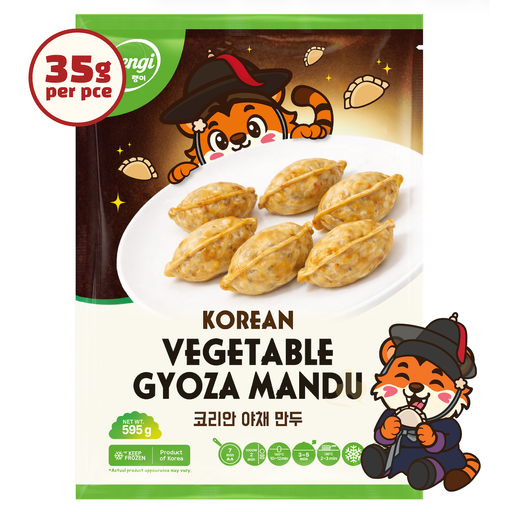 Image unavailable
Rengi Gyoza Mandu vegetable dumplings, 595 g
This bag could suit a shared meal if you have the right equipment to prepare it. If you’re planning meals for one person, check how much to serve and how to store the product.
The vegetable name doesn’t mean you can skip checking the ingredients and allergen information.
View on Joybuy
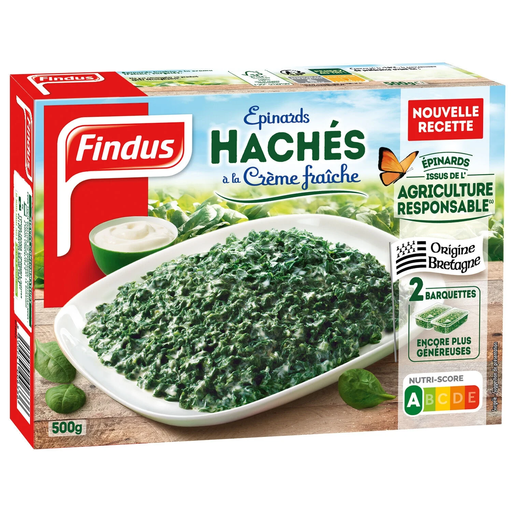 Image unavailable
FINDUS chopped spinach with cream, 500 g
Choose this spinach as a side dish, not as an automatic replacement for a main meal. Plan the rest of the meal around the person’s appetite and individual dietary guidance.
As this product contains cream, it’s particularly important to check the ingredients and allergen information if there are dietary restrictions.
View on Joybuy
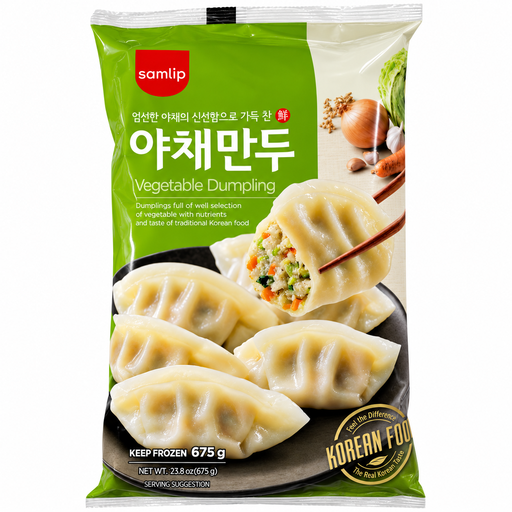 Image unavailable
Samlip Vegetable Dumpling, 675 g
This pack is worth considering for a shared meal or for serving several suitable portions. Before choosing it for someone with an allergy or dietary restrictions, read the full ingredients list on the packaging carefully.
Also check that the amount you plan to serve matches the meals you’ll actually be making.
View on Joybuy
Frequently asked questions
Is Nutri-Score enough to choose a frozen meal for an older person?
No. On its own, it can’t tell you whether the portion and ingredients are right for that person. If a Nutri-Score is shown, use it as one of several helpful indicators, then check the nutritional information, ingredients and allergens. If the person follows a prescribed diet, make sure the meal meets the guidance they’ve been given.
Can you refreeze a meal after defrosting it?
Anses advises against refreezing food once it has been defrosted. It recommends eating it promptly, within three days at the most, and says food can be defrosted in the fridge, in a microwave using the defrost setting, or by cooking or reheating it quickly. Always follow the instructions for the specific product too.
What should you do if an older person loses weight or often leaves meals unfinished?
Unintentional weight loss or a lasting decrease in food intake is a reason to seek medical advice rather than just changing the range of meals you keep in the freezer. Manger Bouger advises looking out for malnutrition in older people; choosing a small pack or a lighter product is not, by itself, a solution.
What should you compare on the labels of two frozen meals?
First compare the portion the person will eat, then the ingredients and nutritional information. The DGCCRF says nutrition declarations include information such as energy, fat, sugars, protein and salt; it also specifies that allergenic ingredients must be highlighted. Finally, check the storage and preparation instructions for each meal.


