People looking for a light snack to keep in reserve
You want to have a frozen option on hand that’s quick to prepare. To choose the right amount for you, check the kcal in the portion you’ll eat, not just the figure given per 100 g.


For a light bite, choose based on the kcal in the amount you plan to eat, rather than the recipe name or Nutri-Score alone. An individual meal is designed to provide a single portion; frozen vegetables can make a snack or accompany a small meal, but they may not make a complete meal on their own. Before buying, also check the allergens and cooking instructions.
You want to have a frozen option on hand that’s quick to prepare. To choose the right amount for you, check the kcal in the portion you’ll eat, not just the figure given per 100 g.
An individual tray makes portion choice easier, but it doesn’t tell you everything about the recipe. Compare the nutritional information and ingredients too.
If you need to avoid an ingredient or allergen, check the label on the exact product before considering its calorie content. Anses highlights the importance of food labelling for people affected by allergic reactions.
First decide whether you’re looking for a snack, a side dish or a small meal. Then compare the per-100 g figures with the amount you’ll serve.
| What to check | Look at | Relevant to |
|---|---|---|
| Energy per portion | The kcal per 100 g and the amount you’ll actually eat, whether that’s some or all of the pack or tray. | For a snack, I want to know the energy in the amount I’ll actually serve, rather than rely on the dish’s name. Around 42% of consumers are said to prioritise portion size. |
| What’s in a small meal | Salt, saturated fat, protein, fibre and ingredients; Nutri-Score can help you compare similar products when it’s displayed. | When frozen food is serving as a small meal, I want to look beyond calories alone and check what it contains. Around 33% of consumers are said to prioritise this. |
| Suitability and preparation | The listed ingredients and allergens, followed by the appliance and cooking time shown on the packaging. | If I need to avoid an allergen or cook with the equipment I have, these factors determine what I can choose. They’re said to come first for around 25% of consumers. |
Under EU rules on nutrition claims, the claim “low energy” and any wording with the same meaning can only be used for solid foods containing no more than 40 kcal per 100 g. This doesn’t, on its own, determine the size of your snack.
To compare options, check the kcal per 100 g and work out what that means for the amount you’ll eat.
Two products with similar per-100 g values can provide different amounts of energy if you eat different quantities. An individual portion isn’t automatically a small snack.
Check the pack weight and number of portions, then calculate the kcal for the amount you plan to eat.
According to Manger Bouger, Nutri-Score takes several nutritional factors into account and is designed in particular to help compare products in the same category. It doesn’t tell you how many kcal are in the portion you’ll serve, and it doesn’t replace checking for allergens.
When comparing similar recipes, check the score if it’s displayed, then look at the nutritional values, ingredients and portion size.
A frozen product won’t meet your need for a quick meal if it requires an appliance or more time than you have available. The Ministry of Agriculture also advises against refreezing food once it has thawed.
Read the instructions before buying and make sure you can keep the product cold on your way home.
A retailer’s name doesn’t tell you how many calories a recipe contains. Compare the nutritional information and product format of the option you’re interested in.
Picard offers individual meals as well as prepared vegetables. They’re worth considering depending on whether you’re looking for a meal or a side dish.
Carrefour’s frozen food range includes individual ready meals and products designed to share.
Auchan offers frozen ready meals in individual and family-size formats.
E.Leclerc stocks individual meals and family-size recipes, including products under the Marque Repère brand.
Lidl has a frozen ready meals category, with products that may vary depending on in-store promotions.
Aldi offers ready meals and occasional special buys. Check that the product you’re considering is actually frozen.
These are frozen vegetables, plain or in sauce, to consider for a snack or as a side dish with a small meal. This isn’t a selection of complete individual meals: for each product, decide how much to serve and check the label before choosing.
 Image unavailable
Green beans you can serve in the quantity you choose, as a snack or side dish. The pack contains 750 g; check the kcal for the portion you serve and read the packaging information if you have any dietary restrictions.
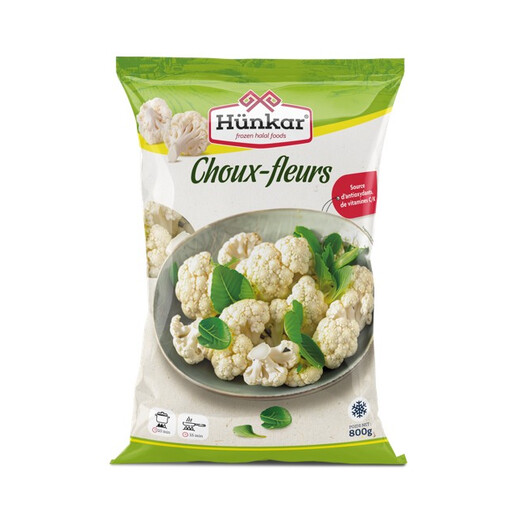 Image unavailable
Cauliflower to prepare as a portion of vegetables to suit your needs, rather than a complete meal that’s already portioned. The pack contains 800 g; check the cooking instructions and use the label to calculate the kcal in the amount you choose.
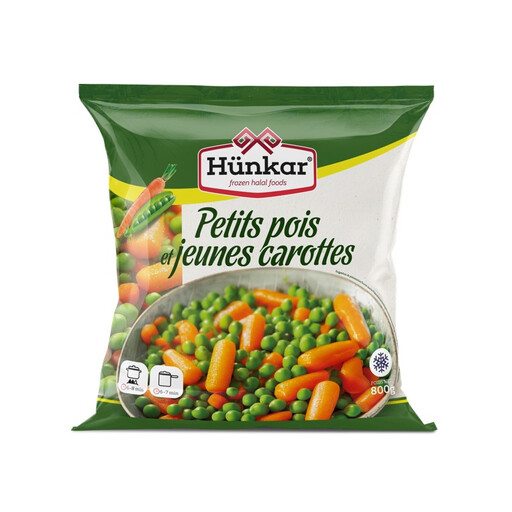 Image unavailable
A mix of peas and carrots to consider as a side dish. Choose how much to serve, then check the packaging for the corresponding kcal and preparation instructions.
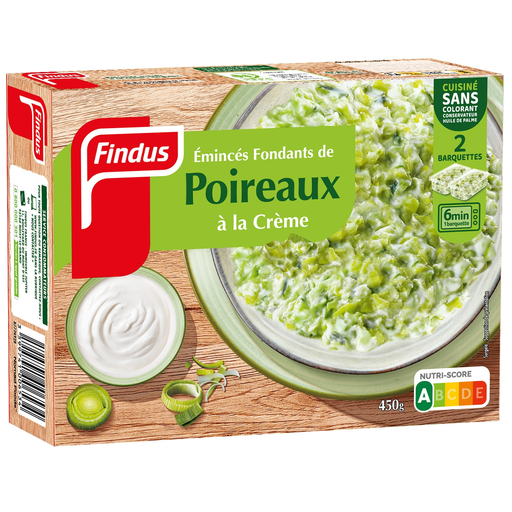 Image unavailable
Leeks in cream sauce to consider as a side dish if the recipe suits your meal. The pack contains 450 g: compare the energy in the amount you serve and check the ingredients and allergens on the exact product packaging.
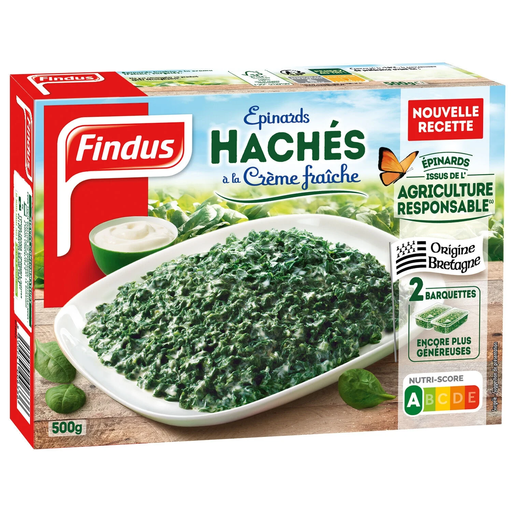 Image unavailable
Spinach in cream to serve alongside a small meal. The pack contains 500 g; if you’re serving only some of it, calculate the kcal for that amount and check the ingredients and allergens listed on the packaging.
Not on that basis alone: for solid foods, EU rules on nutrition claims set a maximum of 40 kcal per 100 g for the claim “low energy” or wording with the same meaning. When choosing a snack, also compare the kcal in the amount you’ll actually eat.
No. According to Manger Bouger, Nutri-Score takes several nutritional factors into account and is mainly useful for comparing products in the same category. To find out how much energy your meal provides, check the kcal per 100 g and take the portion you serve into account.
Check the ingredients list and any declared allergens on the exact packaging of the product you’re buying. As Anses points out in its guidance on food labelling, this information matters to people with sensitivities. A photo or recipe name can’t confirm that a product is free from a particular allergen.
Don’t refreeze a product once it has thawed: the Ministry of Agriculture explains that thawing can encourage bacteria to multiply. Keep the product cold while you’re transporting it and follow the storage instructions on its packaging.