Hosts who want to share dinner without serving everyone the same meal
You’re looking for an amount that suits your group and may be weighing up a dish to share, several recipes or side dishes served separately.


For dinner with friends, choose between a family-sized dish, individual trays or a meal put together from separate components, depending on how many people you’re serving and the portions you plan to offer. To compare energy values, start with the figures per 100 g, then work out the amount in each serving; check the ingredients and allergens too. A large pack makes serving easier, while several trays or side dishes give you more flexibility when putting together everyone’s plate.
You’re looking for an amount that suits your group and may be weighing up a dish to share, several recipes or side dishes served separately.
You want to compare nutritional values on a like-for-like basis, then take account of the amount actually served rather than just the weight of the pack.
If your guests have allergies, intolerances or dietary preferences, you’ll need to check each recipe individually. Anses reminds consumers that relevant allergens are highlighted in the ingredients list.
Worth considering: if one recipe suits your guests and the stated number of servings matches your group.
Bear in mind: the amount served to each person may vary, and offering just one recipe gives you less choice if guests have different dietary requirements.
Worth considering: if you want to portion out meals or offer several recipes without sharing the same dish.
Bear in mind: catering for guests with different tastes may mean buying several varieties; an individual tray is no substitute for reading the label.
Worth considering: if you’d like to serve the different parts of the meal separately and tailor each plate to your guests.
Bear in mind: vegetables on their own don’t make a dinner; you’ll also need to factor in the other ingredients, sauces and serving sizes.
| What to compare | What to check | Who is it for? |
|---|---|---|
| Nutritional values | Compare the energy per 100 g, then work out the amount in the portion you’ll serve. Check the fat, sugars, protein and salt too. | If I’m trying to limit calories, the pack size doesn’t tell me what will be on my plate. Around 33% of consumers would put this comparison first. |
| Portions and serving | Compare the net weight and stated number of servings with the number of guests; check the cooking instructions too. | When I’m serving everyone, I want to make sure there’s enough food without assuming that everyone will have the same amount. Portioning would be a priority for around 27% of consumers. |
| Ingredients and allergens | Read the ingredients list and check the allergens highlighted on each pack. | When guests have different dietary requirements, I need to be able to find a recipe that suits everyone. This would come first for around 20% of consumers. |
| Cooking and storage | Check the product instructions, the equipment you’ll need, and the transport and storage requirements. | If several dishes need to be ready at the same time, I want to make sure I can prepare them with the equipment I have while keeping the products cold. Around 20% of consumers would prioritise this planning. |
The total weight alone doesn’t tell you how much energy each guest will get; that depends on the recipe and the amount served. Carrefour and Auchan stock family-sized options, but the format doesn’t tell you how many calories will be on each plate.
Check the figures per 100 g and the portion you have in mind before deciding how many dishes to buy.
According to Santé publique France, displaying the Nutri-Score is voluntary. On its own, it doesn’t tell you how much energy is in the portion you’ll serve or list the ingredients.
When comparing recipes, check the nutritional information per 100 g and the ingredients too.
A sauce or topping may contain ingredients that aren’t mentioned in the name of the dish. Anses says that relevant allergens must be highlighted in the ingredients list.
Ask your guests about their dietary requirements before buying, then check the packaging of every product you plan to serve.
Transport and any defrosting are part of preparing the meal. Anses recommends defrosting food in the fridge, in the microwave using the defrost setting, or quickly by cooking or reheating it.
Pick up frozen food towards the end of your shop, put it away promptly and follow the storage and cooking instructions on each pack.
Picard offers a “more balanced” range, which includes individual trays with a variety of recipes.
Carrefour’s frozen food range includes dishes to share, individual meals and plant-based recipes, as well as frozen vegetables.
Auchan’s family-sized meal range can be filtered by number of servings and Nutri-Score; the retailer also stocks frozen vegetables.
The Marque Repère frozen food range includes vegetables, seafood, meals and side dishes, and can be filtered by Nutri-Score.
These Joybuy products are vegetables or vegetable side dishes to include as part of a meal, not complete meals for your guests. When choosing the other items on your menu and deciding on quantities, take account of the portions you’ll serve and the labels on each product.
 Image unavailable
Green beans to serve as a side with a meal made up of several dishes, rather than as a complete meal.
750 g pack. Check how much to serve each guest, along with the cooking and allergen information on the pack you buy.
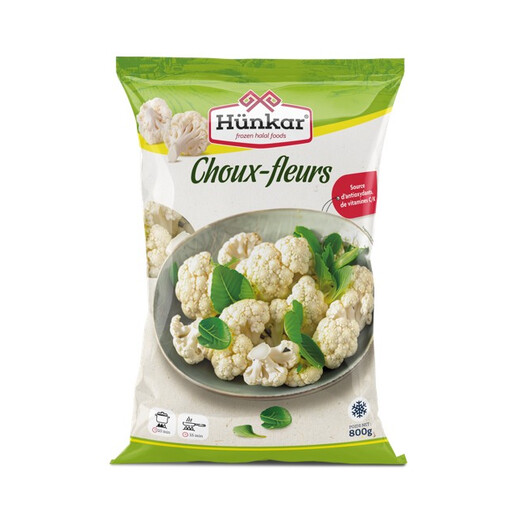 Image unavailable
Cauliflower to include as part of a meal, alongside the other dishes you’ll need for dinner.
800 g pack. Work out quantities based on the number of guests and check the preparation instructions on the pack.
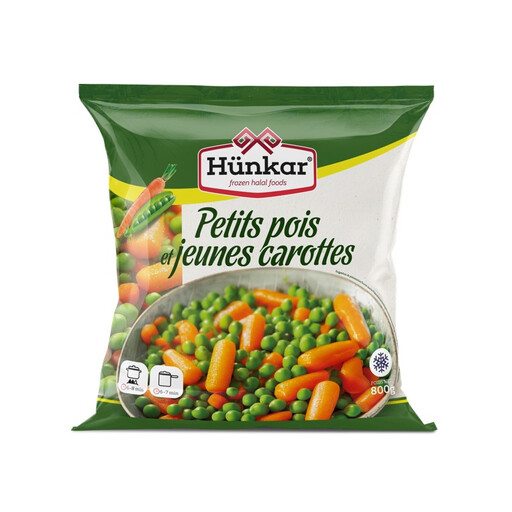 Image unavailable
A vegetable mix to serve alongside the other parts of dinner, rather than as a complete meal.
Before planning how to serve it, check the weight and cooking instructions on the pack you choose.
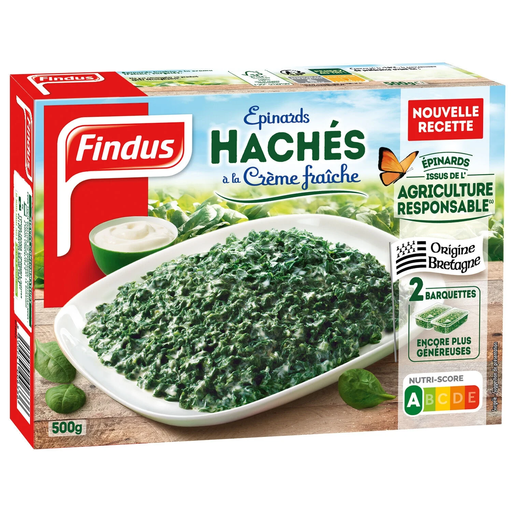 Image unavailable
Creamed spinach to serve as a side if the recipe suits your guests; it isn’t a complete meal.
500 g pack. As it contains cream, it’s especially important to check the ingredients and allergens before serving.
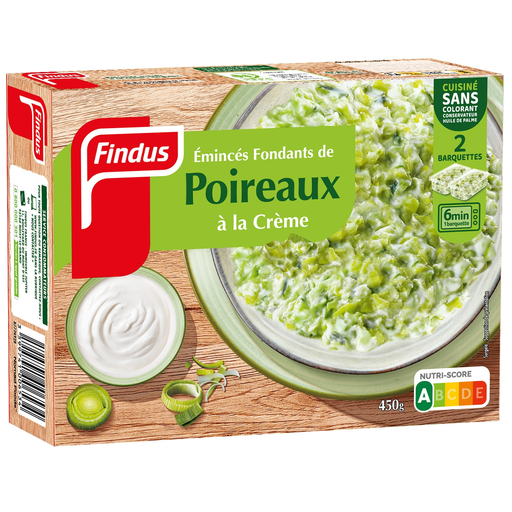 Image unavailable
Leeks in cream sauce to serve with other dishes as part of your dinner.
450 g tray. Portion it according to the number of guests and check the ingredients, allergens and preparation instructions on the pack.
First compare their energy values per 100 g, then work out the amount in the portion you’ll serve. The DGCCRF explains that nutritional information given per 100 g makes it easier to compare products; check the other nutritional values and ingredients too when choosing your menu.
No. A claim on its own doesn’t tell you how much energy each plate will contain. Check the recipe, nutritional values, portion size and any side dishes or sauces you plan to serve.
Ask about your guest’s dietary requirements, then check the ingredients list and highlighted allergens on the packaging of every product you’re considering. Anses reminds consumers that a recipe name is no substitute for checking the label.
Don’t refreeze food once it has been defrosted. Anses recommends eating it promptly and says to defrost it in the fridge, in the microwave using the defrost setting, or quickly by cooking or reheating it; follow the product instructions too.