Hosts looking for the right amount for two
If the meal is the main event, start by checking the number of servings, then look at the net weight and any sides you’re planning to serve. A large tray doesn’t necessarily make two complete meals.


If you’re serving the same main course to both guests, start with a product clearly labelled as serving two. A larger pack may also work if you’re planning side dishes or want leftovers. If your tastes differ or you need to avoid different ingredients, two individual portions offer more choice, but you’ll need to check each label and may have to coordinate two cooking times.
If the meal is the main event, start by checking the number of servings, then look at the net weight and any sides you’re planning to serve. A large tray doesn’t necessarily make two complete meals.
A shared dish assumes that both guests are happy with the recipe. Compare the ingredients and allergens for the exact product before choosing between one dish to share and two separate portions.
Check whether the meal can be cooked from frozen and whether the cooking method suits your appliances. Don’t apply the cooking time for one meal to a different recipe.
First decide whether both guests will be eating the same recipe. Then compare the stated servings, the label and the preparation instructions for the product you choose.
Choose this if: both guests want the same main course and you’d like a clear indication that it serves two.
Bear in mind: choosing one recipe for both guests gives each person less choice than serving two different portions.
Choose this if: the meal is just one part of dinner or you’re planning to have leftovers.
Bear in mind: the weight of the tray alone won’t tell you how many main meals it will serve.
Choose this if: your guests would prefer different recipes or need to avoid different ingredients.
Bear in mind: two products may need coordinating cooking times and create more packaging.
| What to consider | What to check | Who is this important for? |
|---|---|---|
| Quantity and pack size | Number of servings, net weight and how the meal fits in with the sides. | If the meal is going to be the main part of dinner, I want to avoid both running short and ending up with too many leftovers. Around 33% of consumers would put getting the quantity right first. |
| Recipe and allergens | Ingredients and allergen information for each product you’re considering. | When our tastes differ or someone needs to avoid an ingredient, I’d rather choose a suitable recipe for each person. This would be the top priority for around 27% of consumers. |
| Preparation | Whether to cook from frozen, the appliance needed and the stated cooking time. | Just before a friend arrives, I want to be able to plan the meal around the equipment I have. Easy preparation would come first for around 20% of consumers. |
| Transport and storage | Storage instructions on the packaging and whether you can get the product home and into the freezer promptly. | If the journey or the wait before dinner makes storage tricky, I need to be able to keep the meal in the conditions stated. Around 20% of consumers would prioritise this. |
Frozen meal aisles include individual portions, meals for two and family-sized packs. A large tray alone won’t tell you how much of your menu the meal can make up.
If you’re serving it as the main course, look for the stated number of servings and compare it with the net weight. Otherwise, take the sides you’re planning into account.
The product name is no substitute for the ingredients list. France’s Directorate-General for Competition, Consumer Affairs and Fraud Control reminds shoppers that allergens in prepacked foods must be highlighted in the ingredients list.
If a guest has an allergy or avoids an ingredient, check the label for the exact product with them before deciding what to serve.
If the temperature rises during transport, the cold chain may be compromised. France’s Ministry of Agriculture says that refreezing a thawed product encourages bacteria to multiply.
Pick up frozen food at the end of your shop, take it home promptly and follow the storage instructions on the packaging. Don’t refreeze a product that has thawed.
Some products advertised by Lidl were linked to specific sale dates, so the recipe you have in mind may not be available on the day you shop.
Check the offer at your local store and have another recipe or pack size in mind for dinner.
Its range includes meals labelled as serving two, which can be useful if you’re looking for one recipe to share with a clear serving count.
Its categories include separate sections for individual meals and dishes to share.
Its frozen ready-meal range includes individual and family-sized packs, as well as products with a stated number of servings.
Its range may appeal to hosts who are flexible about which recipe they choose.
This selection includes a 530 g pizza and two meals weighing 900 g and 950 g to consider for dinner for two. For each product, compare the pack size with the number of servings stated on the packaging and the rest of your menu.
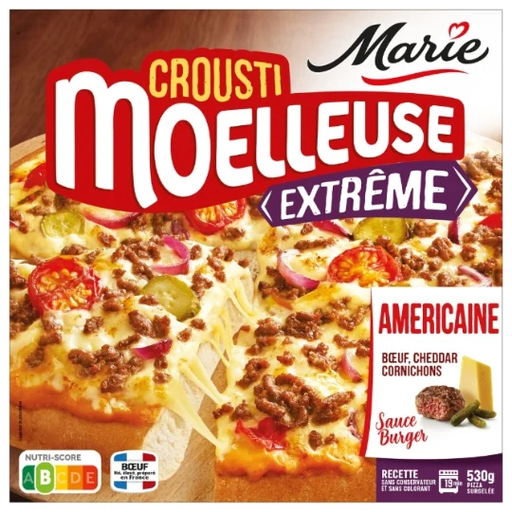 Image unavailable
Worth considering if both guests would like to share a pizza. Check the number of servings, allergens and oven-cooking instructions for this product before planning when to serve it.
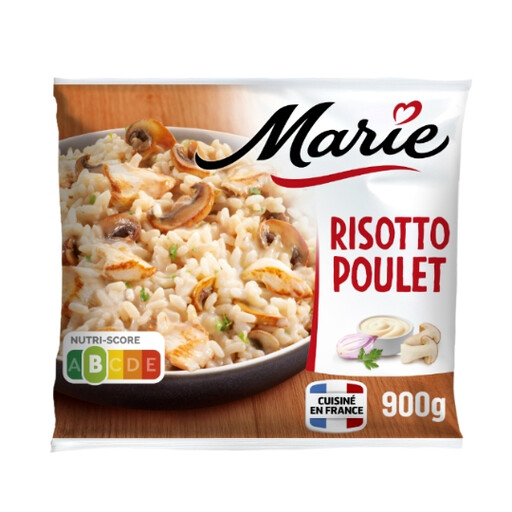 Image unavailable
This pack could work as part of a meal to share. Check the stated servings to work out how much to serve each person, and read the allergen information and reheating instructions too.
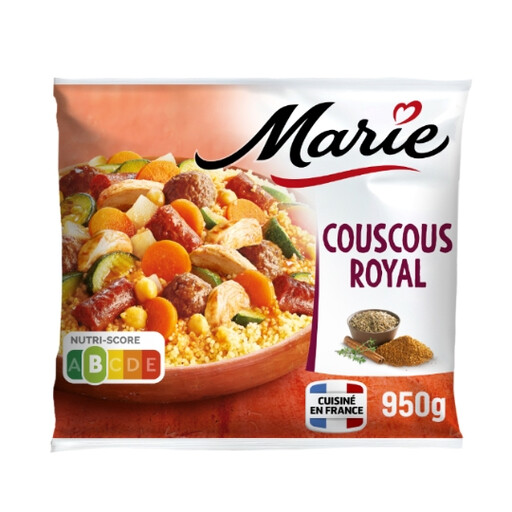 Image unavailable
Consider this if both guests like the recipe. Compare the 950 g pack with the number of servings on the packaging, and check the allergen information and reheating instructions too.
Look for a clear indication that it serves two, then compare the net weight with the menu you’re planning to serve. A high weight or a large tray doesn’t necessarily mean it provides two main-course portions.
Check the ingredients and allergen information for the product you’ve chosen, especially if one of your guests needs to avoid an ingredient. Also look at the net weight, nutritional information and preparation instructions to help you plan the meal.
Yes, if the instructions for that particular product say you can. For example, Picard gives instructions for cooking its Beef Bourguignon for Two without thawing, with 6 minutes of reheating in a 900 W microwave. These settings don’t apply to other meals.
Don’t refreeze a thawed product: France’s Ministry of Agriculture says this encourages bacteria to multiply. To maintain the cold chain, buy frozen food at the end of your shop, take it home promptly and follow the storage instructions on the packaging.