Someone living alone who plans their meals
If you want to keep several meals in the freezer without always having to deal with leftovers, check the stated number of portions, the weight and the preparation instructions for each recipe.


To stock your freezer with meals for one, choose an individual portion if you want to prepare one tray at a time. A larger pack may also work if you know how many meals it will provide and can store and prepare it according to the instructions. Before buying several, check the weight, number of portions, ingredients and how much freezer space you have.
If you want to keep several meals in the freezer without always having to deal with leftovers, check the stated number of portions, the weight and the preparation instructions for each recipe.
If you’re deciding between several trays and one larger dish, work out how many meals you’ll actually serve and how much space the packaging will take up in your freezer.
To rule out a recipe that doesn’t suit your dietary requirements, check its ingredients list, allergens and nutritional information rather than relying on its name alone.
Choosing the format comes first: a tray marked as one portion and a larger dish to divide up call for different meal-planning arrangements.
Choose this if: you want to prepare one meal at a time and keep leftovers to a minimum.
Check: the word “individual” alone doesn’t tell you whether the weight is right for your meal.
Choose this if: you can work out in advance how many portions you’ll serve and plan how to store them.
Check: the packaging and preparation instructions need to suit the way you plan to use it.
| Criteria | What to check | Who this matters to |
|---|---|---|
| Portion and format | Stated number of portions and net weight; whether a larger dish can be divided up according to its instructions. | I want to take the amount I’ve planned for my meal out of the freezer, without preparing leftovers I won’t know what to do with. Around 40% of consumers would prioritise portion size. |
| Ingredients | Ingredients list and allergens; nutritional values per 100 g if you’re comparing recipes. | Before stocking up, I need to check that the ingredients suit my dietary requirements. For around 30% of consumers, ingredients would be the main consideration. |
| Storage and transport | Freezer space, the temperature stated on the packaging and carrying frozen food in an insulated bag. | If I’m filling my freezer in one go, I need to be able to get all the products home and store them properly. Around 30% of consumers would put this planning first. |
The stated weight and number of portions vary from one recipe to another. So the label on the aisle alone won’t tell you how much you’ll be serving.
Check the net weight, stated portion and preparation method before stocking up.
A Nutri-Score label doesn’t replace the ingredients list or allergen information. When comparing recipes, nutritional values per 100 g give you a consistent basis for comparison.
Check the label on the exact product, paying particular attention to highlighted allergens and the stated amounts of salt, sugars and fat.
You need to be able to transport your stock and put it in the freezer in line with the storage conditions shown on the packaging.
The Anses advises buying frozen food at the end of your shop and using an insulated bag. Check you have enough space before you buy.
Picard’s individual meals range makes it easy to find recipes labelled as suitable for one person, including 300 g, 350 g and 400 g formats.
Carrefour’s frozen food range includes both individual meals and dishes to share, making it easy to compare the two ways of stocking up.
Auchan’s individual ready meals range includes recipes labelled “1 portion”, in a variety of weights.
ALDI has a frozen food range that includes ready meals.
This selection includes gimbap, filled buns and kimchi soup to keep in the freezer. The weight alone won’t tell you how many meals you’ll get, so check the portions and preparation instructions for each product.
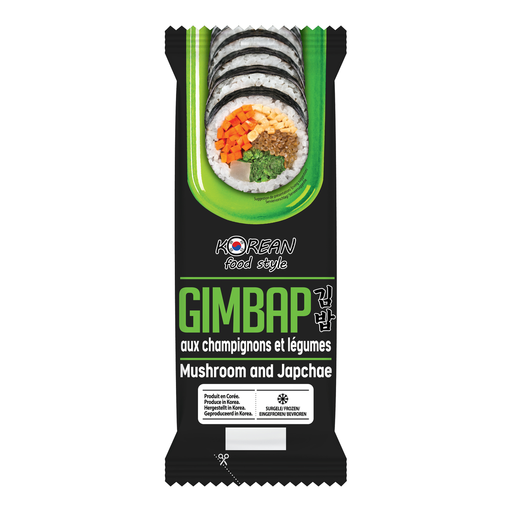 Image unavailable
This gimbap is worth considering if you’d like to keep a ready meal in the freezer. The pack weighs 230 g; check the packaging for the number of portions and defrosting instructions before buying several.
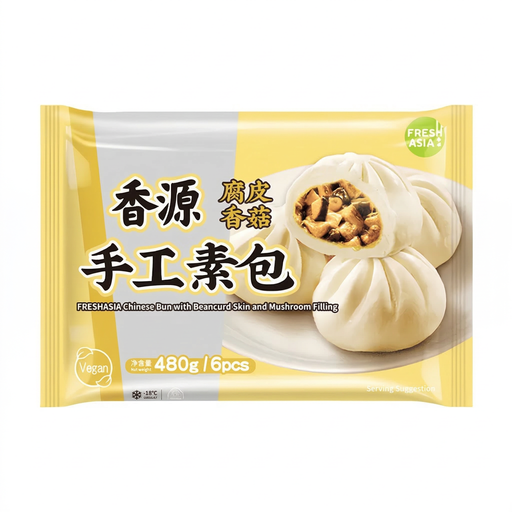 Image unavailable
These filled buns could be part of your freezer stock. The pack weighs 480 g; check how many buns it contains and whether you’re planning to serve anything alongside them.
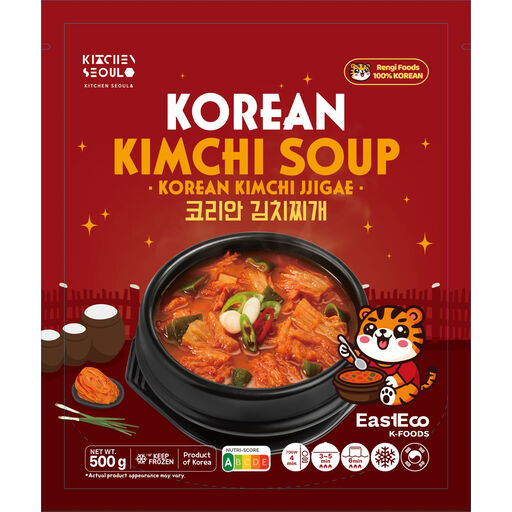 Image unavailable
Keep this kimchi soup in the freezer for a meal you can prepare when needed. The pack weighs 500 g; check the number of portions and, if you like, plan to serve it with the suggested rice.
First check the stated number of portions, then the net weight and preparation instructions. A label saying “individual” doesn’t guarantee that the quantity will suit the meal you have planned.
Read the full ingredients list and check any allergens highlighted on the product. Look at the nutritional information too if it matters to your choice; where shown on the packaging, the Nutri-Score doesn’t replace these details.
Don’t refreeze a defrosted meal: the Anses advises eating food soon after defrosting. Also follow the packaging instructions, particularly for preparing and storing the product.
Pick them up at the end of your shop and carry them in an insulated bag, as advised by the Anses. Put them away as soon as possible and follow the storage temperature shown on each pack.