Households planning several meals
A sharing-sized dish can work well if you have plans to use all the portions. Compare the weight and stated number of servings, rather than assuming you’ll finish a large pack in one go.


To stock up on a few frozen meals without ending up with leftovers, choose a sharing-sized pack if you genuinely have several portions planned. Individual portions are a better fit for meals eaten alone or at irregular times. In either case, compare the weight and stated number of servings with the meals you have planned, then check the ingredients, allergens and freezer space available.
A sharing-sized dish can work well if you have plans to use all the portions. Compare the weight and stated number of servings, rather than assuming you’ll finish a large pack in one go.
An individual portion can save you from opening a sharing-sized dish for a single meal. Still, check its weight and the preparation instructions on the packaging.
Before adding meals to your existing stock, take an inventory of your freezer and note which meals you need to plan for. This is also ADEME’s advice for avoiding duplicate purchases and food waste.
First decide which meals each pack needs to cover, then compare the formats and recipes that suit those meals. Carrefour, Auchan and Picard, for example, distinguish between individual meals and sharing-sized dishes. But you should still check the label for each product.
| Criteria | What to check | Consumers’ needs |
|---|---|---|
| Usable quantity | Compare the net weight and stated number of servings for similar dishes. | If I’m planning several meals, I want to use the whole pack rather than leave portions uneaten; around 42% of consumers would prioritise the amount they can actually use. |
| Format and storage | Match individual or sharing-sized packs to your planned meals and the space available in your freezer. | For meals I eat alone or at irregular times, I’d prefer a pack that suits my needs without taking up too much freezer space; portion size would be the main priority for around 33% of consumers. |
| Recipe and ingredients | Read the ingredients and allergens for each product, along with its preparation instructions. | I want to stock recipes my household will eat and that suit its dietary requirements; around 25% of consumers would put this first. |
Carrefour, Auchan and Picard stock both individual portions and sharing-sized formats. A higher weight alone doesn’t tell you how many meals you’ll get from a pack.
Check the stated number of servings and consider how many people will be eating, as well as any sides you plan to serve.
Meals already in the freezer can be forgotten if new purchases don’t fit the meals you have planned.
Take an inventory before writing your shopping list, as ADEME recommends, and make sure you have room for the packs you choose.
Product ranges can vary from one store to another. Lidl notes, in particular, that some smaller stores don’t stock every item in its catalogue.
Check whether your local store stocks the product before planning a meal around it.
A rise in temperature can encourage the growth of certain germs and make food unsafe, the DGCCRF warns.
Pick up frozen food last, keep transport time to a minimum and put it away promptly, following the storage instructions on the packaging.
Carrefour’s frozen meals section includes individual portions, sharing-sized dishes and vegetable-based options.
The Marque Repère range includes Côté Table and Tables du Monde frozen meals, in sizes from 300 g to 1 kg on the page consulted.
Auchan groups its frozen meals into categories including individual, family-sized and quick-cook options.
Lidl includes frozen ready meals among its frozen food categories.
ALDI’s frozen ready meals category includes products weighing between 900 g and 1 kg.
Picard offers ready meals in individual portions and sharing-sized bags, with a variety of recipes.
These three frozen products are meals or dishes to keep in your freezer: a gimbap, a soup and filled buns. The weight alone won’t tell you how many meals each pack will provide. Choose according to the recipe, the preparation required and the portions you have planned.
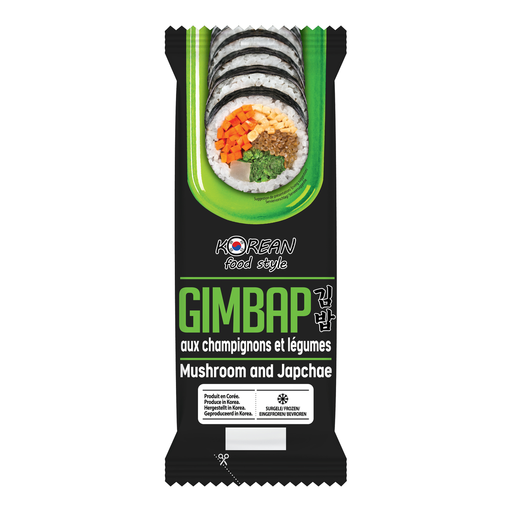 Image unavailable
Consider this if you’d like to keep a frozen gimbap meal in your freezer. The pack weighs 230 g; check the defrosting instructions and allergens, and make sure the quantity suits your meal.
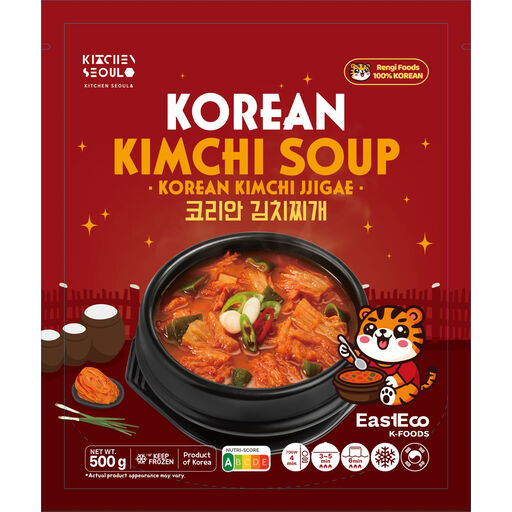 Image unavailable
This frozen soup is a good option for a meal when you’re planning to heat up a prepared dish. The pack weighs 500 g; check the preparation instructions and allergens, and make sure there’s enough for the people you’re serving.
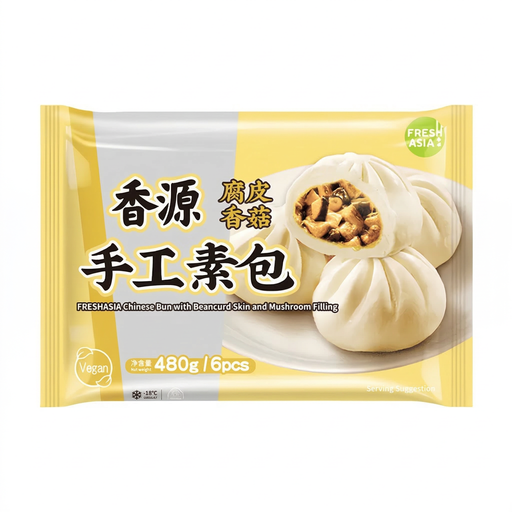 Image unavailable
These frozen filled buns are worth considering if you’re planning a savoury dish to cook. The pack weighs 480 g; check the cooking instructions and allergens, then work out how many meals you expect to get from it.
Compare the weight, the stated number of servings and the meals you’ve actually planned. A sharing-sized pack only suits your needs if you’ll use all the portions; an individual portion should also be the right size for the meal you have in mind.
Not necessarily. Start by checking what meals you already have in the freezer and what you’ll need for the days ahead. ADEME recommends checking your stock before making a shopping list to avoid duplicate purchases and food waste.
Keep the time between leaving the shop and putting them in the freezer to a minimum, then follow the storage instructions on the packaging. The DGCCRF warns that a rise in temperature can encourage the growth of certain germs.
Not necessarily. Lidl says that some smaller stores don’t stock every item in its catalogue. Check with your local store before relying on a particular product for a planned meal.