A more indulgent frozen meal can work well when camping if you can keep it frozen until you’re ready to prepare it and cook it with the equipment available. If you can’t store it reliably, plan a different meal rather than keeping it at the campsite. If you can meet these requirements, choose the quantity to suit the number of people and check the recipe, ingredients and allergens on the packaging.
Who might these meals suit?
Campers with limited cold storage
If you’re travelling with a cool box or there’s no freezer at your campsite, check that the meal can be kept at the temperature stated on the packaging until you’re ready to eat. The French food safety agency Anses’s advice on the cold chain makes this a priority, even if you’re planning to eat it on your first evening.
Small groups planning to share a meal
A family-sized meal could suit your group if you have enough room to store it and a suitable container for heating it. Picard, Auchan and E.Leclerc offer ranges with sharing sizes, so check the weight and number of portions for the product you choose.
Solo campers looking for an easy-to-serve portion
An individual portion means you won’t need to plan for a large meal or deal with leftovers. Before buying, make sure its cooking method suits the equipment you’ll have available.
What should you check before buying?
For a camping meal, first decide whether you can keep the food cold until it’s time to cook. Then compare the product’s preparation instructions, quantity and recipe.
| What to consider | What to check | Who is this for? |
|---|
| Cold chain |
The storage temperature shown on the packaging and whether you can maintain it during the journey and at the campsite. |
If my journey or campsite set-up could interrupt the cold chain, I need to sort that out before choosing a recipe; around 33% of consumers would put storage first. |
| Cooking at the campsite |
The preparation method shown and the equipment required, including the cooking container or appliance. |
With limited camping equipment, I want to be able to prepare the meal as instructed; cooking would be the priority for around 27% of consumers. |
| Portions and leftovers |
Net weight, the number of portions stated and whether any leftovers can be kept chilled. |
For our group, I’m looking for an amount we can finish without leaving portions that are difficult to store; around 20% of consumers would prioritise this. |
| Recipe and ingredients |
The meal name, ingredients list and any allergens highlighted on the label. |
For a meal that’s a little different, I want to know what’s in it and rule out any recipe that doesn’t suit those eating with us; around 20% of consumers would put this first. |
Mistakes to avoid
-
Assuming “premium” means it’s suitable for camping
A range name might suggest a different recipe, but it doesn’t tell you about allergens, cooking methods or storage requirements. Carrefour, for example, describes Sensation as a range of more adventurous recipes. That’s how the retailer positions the range, not a guarantee about every meal.
Check the ingredients, weight, storage instructions and preparation method for the specific product you plan to take.
-
Buying frozen food before the rest of your shopping
The journey to the campsite is part of keeping your food properly stored. France’s consumer protection authority, the DGCCRF, recommends carrying frozen food in an insulated bag, while Anses stresses the importance of maintaining the cold chain.
Pick up frozen food towards the end of your shop, keep its time in transit to a minimum and put it straight into suitable storage when you arrive.
-
Choosing a large pack without planning for leftovers
A sharing meal needs to fit in the cold storage you have available and be easy to heat with your equipment. If you buy more than your group can eat, you’ll also need to keep the extra portions properly stored.
Compare the weight and stated portions with the number of people eating. If you can’t keep leftovers chilled, choose an amount you can finish in one sitting.
Any uneaten portions may need to be thrown away if you can’t store them safely.
-
Throwing away the packaging before keeping the instructions
The storage temperature and preparation instructions may be printed on the outer box you remove. France’s Ministry of the Economy recommends checking the temperature shown on the packaging.
Keep the information you need until you’re ready to prepare the meal, especially if you remove the outer packaging to save space.
Retailers to consider for their ranges
Picard
Picard offers individual and sharing-sized frozen ready meals, along with a variety of recipe ranges.
- Its ranges include a 900 g bag of gnocchi and 1 kg lasagnes, for example. Compare both sizes with the number of people you’re feeding.
- Pack size doesn’t tell you whether you’ll be able to cook the meal at the campsite, so check the instructions for the specific product.
Carrefour
Carrefour sells frozen meals under its own ranges as well as other brands. The retailer describes Sensation as a range of recipes with more adventurous flavours.
- Its range includes individual meals, making it easier to look for an amount that suits a solo meal.
- The Sensation name is no substitute for checking the ingredients, allergens and preparation method.
E.Leclerc
E.Leclerc offers Marque Repère frozen ready meals, including its Côté Table and Tables du Monde ranges.
- The Côté Table range includes 1 kg lasagnes, for example, which may be worth considering for a group meal.
- Check the specific product and its instructions at your chosen store before planning your meal.
Auchan
Auchan’s frozen ready meals section includes individual, family-sized and quick-cook options.
- These categories can help you start your search by considering the meal size and how you plan to prepare it.
- A “quick-cook” label doesn’t mean a meal can be prepared on your camping stove, so read the instructions.
ALDI
ALDI has a frozen food category that includes pizzas and ready meals.
- This category can be a useful starting point when looking for a meal to prepare at the campsite.
- Choose based on the specific product, its quantity and its instructions, rather than assuming a recipe belongs to a “premium” range.
Joybuy products for this type of meal
These products offer two frozen Asian-inspired dishes: a soup that could make a hot meal and filled buns that could be served as a meal or side. Whether they’ll work well for camping depends first on keeping them cold, then on being able to cook them as instructed.
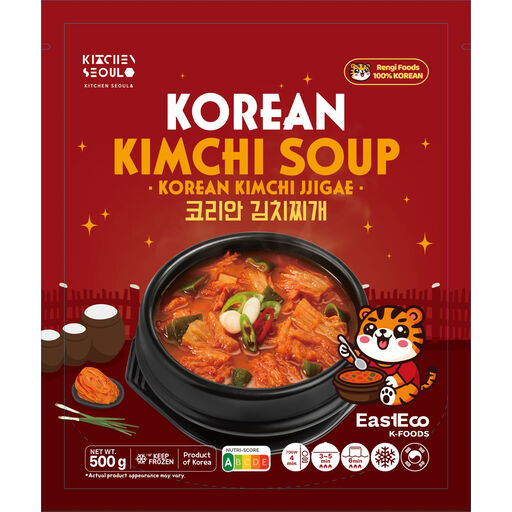 Image unavailable
EastEco Rengi's Korean Kimchi Soup (JIJIGAE), 500 g
This soup could make a hot meal if you can keep it frozen until you’re ready to prepare it. You’ll need a pan or microwave, as specified in the product instructions. Check the number of portions and allergens on the packaging.
View on Joybuy
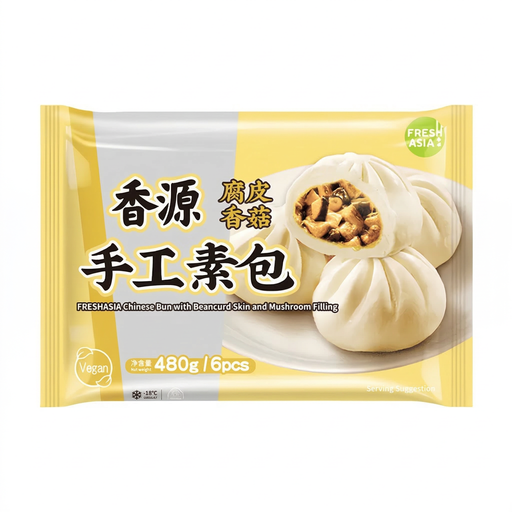 Image unavailable
FRESHASIA Chinese buns filled with tofu skin and mushrooms, 480 g
These filled buns could be part of a meal or served as a side if you can keep them chilled until cooking. They need to be steamed, so check what equipment you’ll need, as well as the number of portions and allergens listed on the packaging.
View on Joybuy
Frequently asked questions
Can I take a frozen meal camping if there’s no freezer at the campsite?
Yes, if you plan to eat it soon after arriving and can maintain the stated storage temperature until you’re ready to prepare it. If you don’t have reliable cold storage, don’t plan to keep it for the following days. The DGCCRF recommends using an insulated bag to transport frozen food.
Can I refreeze a meal that has thawed during the journey?
No. Anses recommends not refreezing food once it has thawed and says it should be eaten soon after defrosting. If you can’t be sure it has been stored properly, don’t rely on refreezing to keep it for longer.
How can I check the allergens in a recipe described as “premium”?
Read the ingredients list and check the allergens highlighted on the packaging of the exact product, rather than relying on the range name or photo. France’s Ministry of the Economy states that allergens must be identified on prepacked food labels.
Is an individual meal or a large pack better for camping?
Choose an individual portion if it suits the number of people eating and means you won’t have leftovers to store. A large pack can work for a group if you have enough room to keep it frozen, a suitable container for cooking it and a way to store any portions left over.


