Hosts keeping an eye on their budget
You’re having several people over and want a format that you can serve in full, without being left with too many leftovers.


For a budget-friendly evening, choose a frozen meal to share if the servings suit the number of guests. Opt for individual portions if tastes differ, or mix and match several items if you can coordinate their preparation. Check the quantities you’ll actually serve, the ingredients and the cooking instructions before settling on your menu. A large pack isn’t good value if some of it goes to waste.
You’re having several people over and want a format that you can serve in full, without being left with too many leftovers.
You’re preparing a meal for a few guests with varied preferences. Individual portions or a mix of items can make serving easier.
You want to save time while checking each product’s ingredients, nutritional information and serving sizes.
A meal to share works well for a set menu if there are enough servings for everyone; individual portions make it easier to cater for different tastes. Combining several items gives you more variety, but you’ll need to coordinate their preparation.
| Priority | What to check | Who it’s for |
|---|---|---|
| Manage quantities | Compare the net weight, stated number of servings and how much of the menu will consist of side dishes. | If I’m having several people over on a tight budget, I want to serve what I buy rather than end up with too many leftovers. Around 31% of consumers prioritise managing quantities. |
| Choose a format to suit your group | Check the stated number of servings and whether you can serve individual portions. | When my guests have different tastes, I need to be able to serve different dishes rather than impose one recipe on everyone; around 25% of consumers prioritise choosing a format to suit their group. |
| Make preparation easier | Read the cooking instructions and check whether several products need to be cooked at the same time. | If I’m also organising the rest of the evening, I’d rather not have to manage several cooking times at once. Around 25% of consumers put ease of preparation first. |
| Cater for dietary preferences | Check the ingredients, allergens and nutritional information for each product. | When I’m cooking for guests with different preferences, I want to know what’s in each dish before serving it; around 19% of consumers prioritise dietary suitability. |
If a Nutri-Score is shown, read it alongside the ingredients and the portion you plan to serve. Manger Bouger explains that it’s calculated per 100 g or 100 ml, not for the amount served to each guest.
An individual tray and a sharing dish don’t contain the same quantity. Carrefour, E.Leclerc and Picard, for example, offer formats ranging from around 300 g to 1 kg.
Check the net weight and stated number of servings, then estimate how much your menu will actually allow you to serve.
Depending on the product, Auchan and Picard catalogues list dishes as serving one, three or three to four people. These figures don’t take your guests’ appetites or the other dishes you’re serving into account.
Check the quantity in the dish and decide whether a side dish will be part of the meal.
Products featured by Lidl and ALDI may only be available during a particular period or as part of a store’s range.
Check what’s available at your store and have another idea for a dish in the same format.
The DGCCRF stresses the importance of following the date and storage instructions shown on the packaging. RappelConso publishes alerts about recalled products.
Follow the pack instructions and, if you have concerns about a product or batch, check RappelConso before serving it.
Replacing an affected product at the last minute could mean having to prepare a different dish for the evening.
Carrefour offers individual frozen ready meals, including products from its Classic’ range.
The Côté Table range includes individual frozen meals and dishes to share.
Auchan lists individual and family-sized frozen ready meals.
Picard offers individual frozen ready meals and recipes to share.
Lidl features frozen meals and side dishes in its time-limited offers.
ALDI offers frozen pizzas and ready meals, including sharing formats.
These Joybuy products are items to include in a menu made up of several dishes, rather than family-sized meals to serve on their own. Compare their weight with the quantities you’ll need for your group, then plan how to prepare them according to the instructions on each pack.
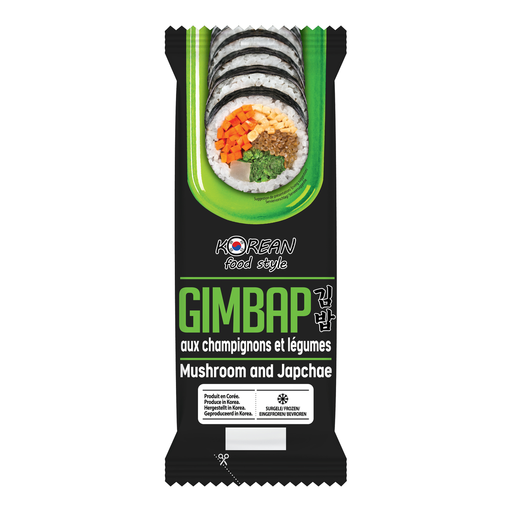 Image unavailable
This frozen gimbap can round out a menu of several Korean-inspired dishes.
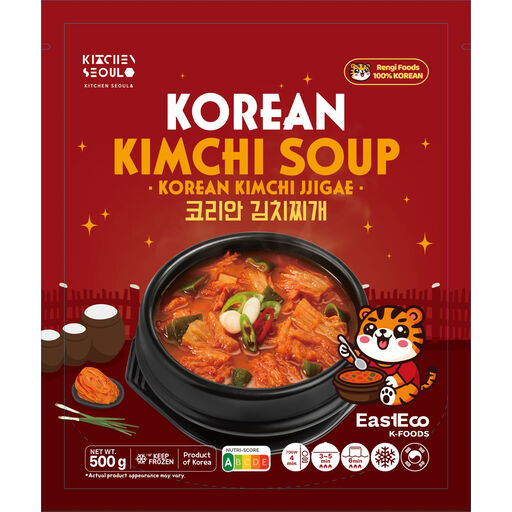 Image unavailable
This frozen soup can be served as a hot starter or as part of the meal, especially if you’re also planning to serve rice.
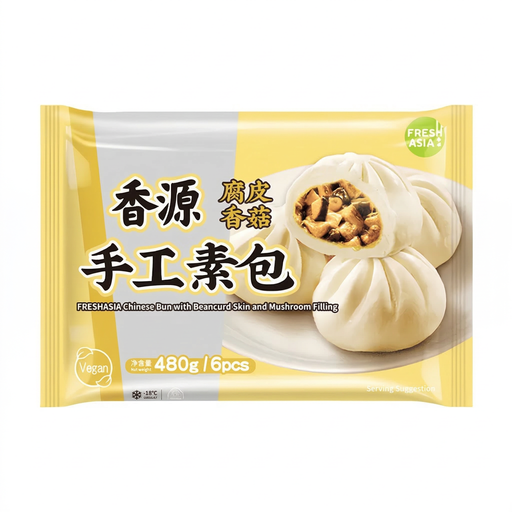 Image unavailable
These frozen buns can be served hot alongside other dishes, if you have the equipment needed to steam them.
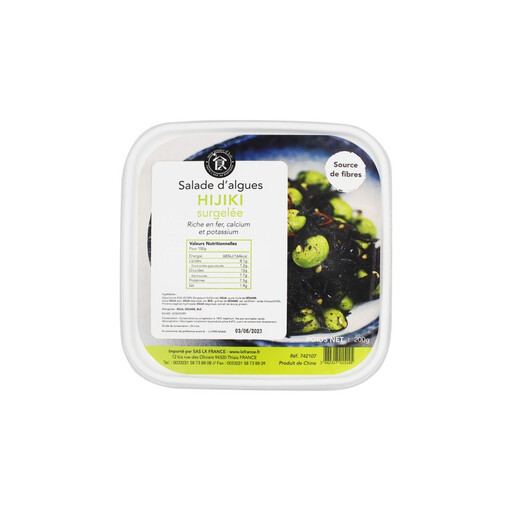 Image unavailable
This frozen salad works well as a cold side dish rather than as a main course.
Compare their net weight, the stated number of servings and how much you plan to serve. An individual tray and a sharing dish won’t meet the same needs if your guests want different recipes or some of the larger dish might go uneaten.
No. A large dish is a good choice if you’ll serve all the portions and one recipe suits the group. If you’re having only a few people over or tastes differ, consider individual portions and potential leftovers before you decide.
No. Nutri-Score doesn’t replace checking the ingredients, allergens and serving sizes. Manger Bouger explains that it’s calculated per 100 g or 100 ml; check each product separately if a guest has dietary requirements.
Follow the date, storage temperature and preparation instructions shown on each pack. The DGCCRF stresses the importance of dates and storage conditions. If a product or batch may be subject to a recall, check the information published by RappelConso before serving it.