Solo camper keeping an eye on portion size
A single-portion tray makes it easier to compare how much you eat with the kcal shown on the pack. Also check that you have the equipment needed to cook it at your campsite.


When choosing a frozen meal to take camping, check that the portion you’ll actually eat contains fewer than 500 kcal, then make sure you can follow its storage and cooking instructions. A single-portion tray makes it easier to work out the calories. A sharing pack can work too, as long as you measure each portion and can keep any leftovers cold.
A single-portion tray makes it easier to compare how much you eat with the kcal shown on the pack. Also check that you have the equipment needed to cook it at your campsite.
A sharing meal can work if you measure each serving, follow the storage instructions and can cook it as directed at your campsite.
These appliances let you choose products that need them. Before picking a tray, check the cooking time and, for a microwave, the required power.
Start with the portion you plan to eat, then check that you can meet the storage and cooking requirements at your campsite.
| What to check | Points to consider | Who it matters to |
|---|---|---|
| Fewer than 500 kcal per serving | Compare the kcal per portion with the amount you’ll eat. Otherwise, use the kcal per 100 g and the weight of your serving. | If I’m eating a whole tray or part of a larger meal, I want to know what’s actually on my plate. Around 29% of consumers put portion checks first. |
| Keeping it cold | Check the storage temperature and work out how you’ll maintain it during transport and until you prepare the meal. | When travelling to the campsite, I need to be able to keep the meal under the stated conditions. Around 29% of consumers prioritise keeping food cold above other factors. |
| Cooking equipment | Check which appliance is required, the cooking time and, where applicable, the microwave power. | If I only have a camping stove and a saucepan, I can’t plan on cooking something that needs an oven. Around 24% of consumers would prioritise having the right cooking equipment. |
| Pack size and leftovers | Check the weight, number of portions and instructions for after opening or defrosting. | If I’m cooking for several campers, I want to share the meal without leaving an amount I can’t store as directed on the label. Around 18% of consumers put managing pack size first. |
A serving that weighs more than 100 g will contain more kcal than the figure given per 100 g. On the other hand, one person won’t necessarily eat an entire sharing pack.
If the kcal for your portion aren’t listed, multiply the kcal per 100 g by the serving weight in grams, then divide by 100. Count any extra sides separately.
Being under 500 kcal doesn’t make a meal suitable for a journey or trip if you can’t meet its storage requirements.
The DGCCRF recommends transporting frozen food in an insulated container and keeping transport time to a minimum. Then check the temperature required on the packaging.
Depending on your journey and the product’s instructions, you may need a cool box, ice packs or access to a freezer.
Cooking in an oven or microwave requires different equipment from heating something in a frying pan.
Read the instructions before you buy, and only choose a product you can cook as directed at your campsite.
A large pack can make it harder to work out the kcal per serving and store any uneaten food safely.
Decide how many portions you’ll need before you set off, and follow the packaging instructions for anything defrosted or left over.
Carrefour’s frozen ready-meal range includes both individual portions and sharing packs.
E.Leclerc’s Eco+ frozen ready-meal range includes a 300 g macaroni product.
Auchan’s range includes individual and family-sized frozen meals, as well as quick-cook options.
Picard offers frozen ready meals in trays and sharing packs.
Lidl France has a category for frozen ready meals.
ALDI France’s frozen food range includes a category for prepared meals.
These products include a cod parcel with rice, gyozas to share, and chicken or eel dishes. For each one, check the label for the kcal in the portion you’ll eat, and make sure you can meet its storage and cooking requirements while camping.
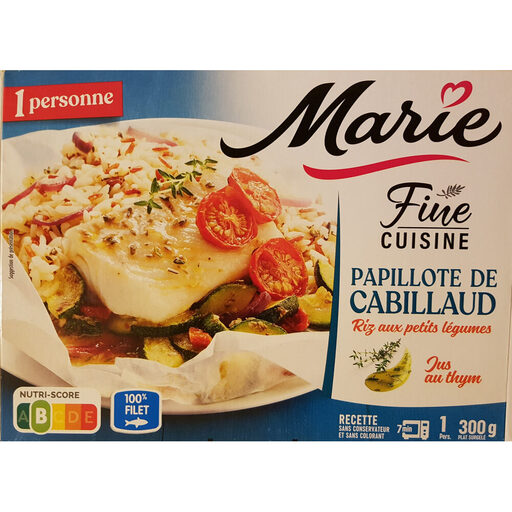 Image unavailable
If you plan to eat the whole parcel, check the kcal for its 300 g weight and the reheating instructions before taking it with you.
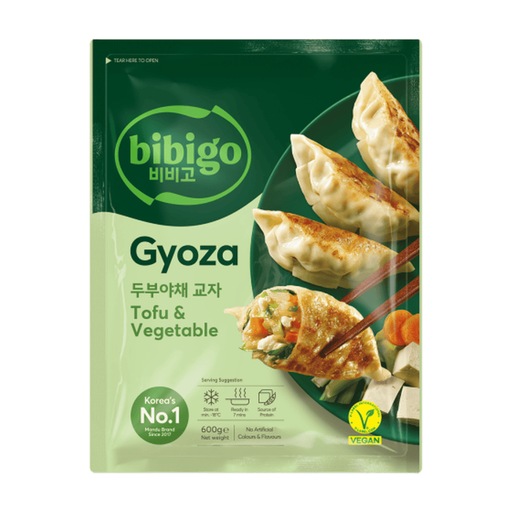 Image unavailable
If you’re sharing this pack, measure how much you serve each person rather than working out the kcal from the number of pieces alone. Also plan how to store any leftovers in line with the label.
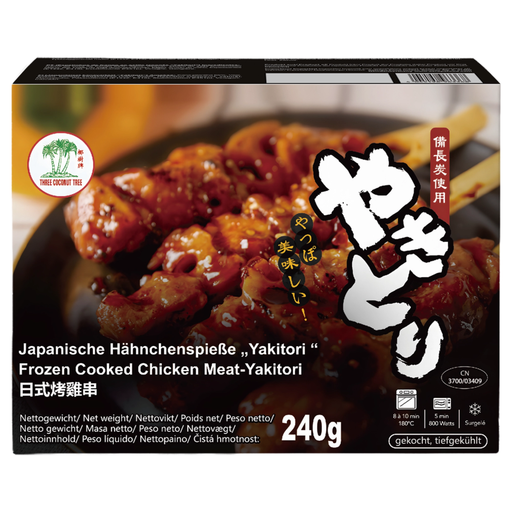 Image unavailable
To see if this pack could work as a camping meal, compare the kcal in your planned portion with the 500 kcal limit, and check the packaging for reheating instructions that suit your equipment.
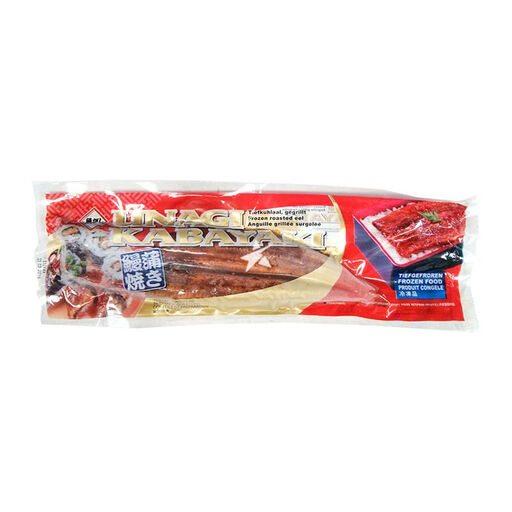 Image unavailable
If you’re serving part of the pack, check what weight the nutrition information refers to and weigh your portion. Count any sides separately, and check the defrosting instructions before you set off.
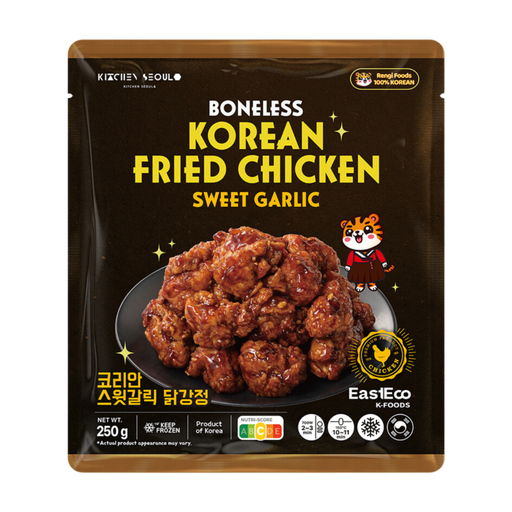 Image unavailable
Before choosing this chicken for your camping trip, decide how much you’ll serve and check its kcal, along with the equipment required by the cooking instructions.
Use the kcal per portion if you’re eating exactly the stated amount. Otherwise, multiply the kcal per 100 g by the serving weight in grams, then divide by 100. Auchan states 317 kcal for a declared 300 g portion of its paella. This figure won’t automatically apply to a larger serving.
Only if it can keep the product under the stated storage conditions during your journey and until you prepare it. The DGCCRF advises keeping transport time for frozen food to a minimum and using an insulated container.
Don’t refreeze it if the packaging says not to. Plan how much you’ll eat, and follow the product instructions for any leftovers.
No. Cooking instructions vary from meal to meal. Check the instructions for your chosen product and make sure you have the frying pan, saucepan, oven or microwave it requires.