A family-sized frozen meal can work for a shared dinner, as long as the portion served to your toddler suits their age, ability to manage different textures and individual needs. The weight or number of servings alone won’t tell you that. If you’re still unsure about texture, a meal labelled with an age and texture indication gives you a clearer guide. In either case, check the ingredients, allergens and preparation instructions for the product you choose.
Who are these options for?
Parents introducing their child to solid foods
You want to make dinner easier without rushing your child as they get used to different textures. According to Manger Bouger, introducing a wider range of foods continues gradually until the age of 3, at each child’s own pace. Age and confidence with different textures matter more than the size of the pack.
Households sharing the same meal
You’re considering a 900 g to 1 kg pack for several people, while serving your toddler a separate portion from the servings stated on the packaging. Auchan, E.Leclerc and Picard offer meals in these sizes; you’ll still need to check each recipe individually.
Parents mindful of leftovers
You want to buy the right amount for the people who’ll be eating and manage any leftovers according to the product instructions. Before choosing a large pack, think about how much of the meal will actually be served.
What should you check?
Meal labelled for a baby or toddler
Worth considering: when you need an age and texture guide for a child who is starting solid foods or isn’t yet confident with different textures.
Bear in mind: these meals aren’t a complete dish to share with the whole household; an age indication doesn’t replace watching how your child manages their food.
Family-sized frozen meal
Worth considering: if several people will be eating the meal and one portion of the recipe is suitable for your toddler.
Bear in mind: the stated servings refer to the meal as served, not to a recommended portion for a young child.
Choose your own sides
Worth considering: if you’d rather choose each person’s food separately.
Bear in mind: putting dinner together and preparing the different elements takes more steps than simply heating a complete meal.
| Factor |
What to check |
Who is this for? |
| Age and texture |
Look for an age or texture indication if there is one, then compare the texture with foods your child already manages easily. |
If my child is still getting used to different textures, I want to be able to choose something suitable before thinking about family-sized packs. Around 42% of consumers would prioritise this. |
| Size and sharing |
Compare the net weight with the number of people eating; don’t treat the stated 3 or 4 servings as child-sized portions. |
For a shared dinner, I want the meal to work for the household without giving my toddler a portion intended for someone else. Around 33% of consumers would prioritise this. |
| Practical quantity and storage |
Check how much your household will use, as well as the storage and preparation instructions on the packaging. |
I’d rather choose a pack we can use and store according to the instructions than a large one with some left unused. Around 25% of consumers would put this need first. |
Mistakes to avoid
-
Assuming “3–4 servings” means child-sized portions
Auchan and Picard list family meals with a number of servings, but that doesn’t tell you how much to serve a toddler.
Use it to plan the household meal, then work out separately what your child can eat based on their age, appetite and confidence with the texture.
-
Choosing the biggest pack without planning how you’ll use it
A 900 g or 1 kg meal is only practical if everyone will eat enough of it and any leftovers are handled according to the product instructions.
Count the people who’ll actually share the meal and read the storage instructions before choosing a pack size.
Any extra food that isn’t eaten or stored according to the instructions could end up in the bin.
-
Confusing “for sharing” with “suitable for toddlers”
“For sharing” describes the size or intended use of a meal; on its own, it tells you nothing about its texture or allergens.
Check the exact recipe. If your child is starting solid foods, look for an age and texture guide too, or choose the elements of their meal separately.
-
Breaking the cold chain while shopping
The DGCCRF warns that a rise in temperature speeds up the growth of microbes in food.
Pick up frozen food at the end of your shop, keep it out of the cold for as little time as possible, and follow the storage and preparation instructions on the packaging.
Retailers to compare pack sizes
Carrefour
A retailer where you can compare frozen meals for sharing with meals intended for babies.
- Carrefour offers baby meals with age indications, including options from 12 or 18 months.
- A meal labelled by age isn’t necessarily family-sized; check the recipe and texture of the product you choose.
E.Leclerc
A retailer to check for Marque Repère ready meals in sharing sizes.
- The category includes recipes in 900 g and 1 kg packs.
- The weight doesn’t tell you whether a meal is suitable for a toddler: check the ingredients, allergens and preparation instructions for the product you choose.
Auchan
Its family ready-meal range makes it easy to compare pack sizes and stated servings.
- Auchan offers, among other options, a 900 g meal labelled as 3 servings and 1 kg lasagne labelled as 4 servings.
- These serving numbers aren’t portion guides for young children.
Picard
A retailer to check for its range of frozen meals for sharing.
- The range includes, among other options, a 900 g bag of gnocchi labelled as 3 to 4 servings and 1 kg lasagne.
- “For sharing” doesn’t confirm that the texture is suitable or that the ingredients meet your child’s needs.
Lidl
A retailer where you can check which frozen ready meals are available at your chosen store.
- Lidl France has a dedicated category for frozen ready meals.
- Before planning dinner around a particular product, check its availability in store, pack size and label.
ALDI
A retailer to check if you’re putting a meal together using its frozen food range.
- ALDI France’s frozen range includes categories such as prepared meals and ingredients for meals.
- Check which products are available at your local store: a product category can’t tell you whether the age or texture is right for your child.
Joybuy products to help put dinner together
These products are sides or ingredients to add to a shared meal, not complete meals labelled with an age indication for toddlers. Before serving them to your child, check the ingredients, preparation instructions and resulting texture.
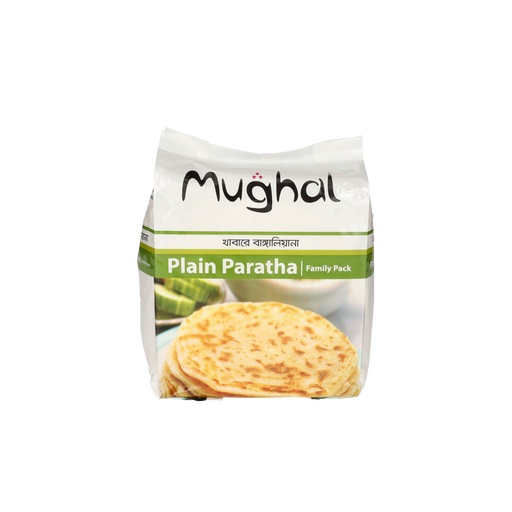 Image unavailable
Mughal Plain Paratha, 1.6 kg family pack
Parathas to consider as a side for a shared dinner, rather than a complete meal for your toddler. Check the ingredients and texture after preparation before serving them to your child.
View on Joybuy
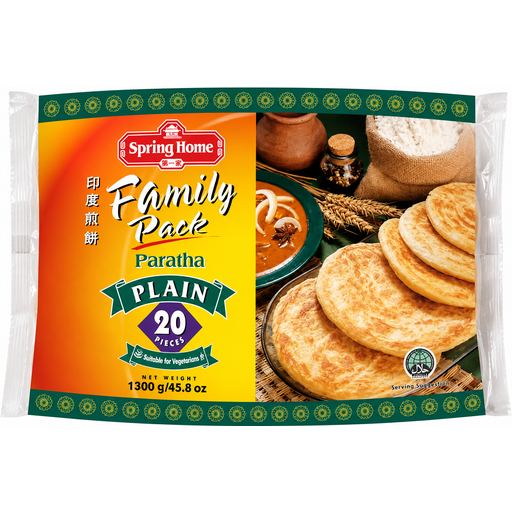 Image unavailable
SPRING Paratha Family Pack, 20 pieces, 1.3 kg
The 20-piece pack makes it easy to put together a side for several people. The number of pieces doesn’t define a portion for a toddler: check the ingredients and the texture after preparation.
View on Joybuy
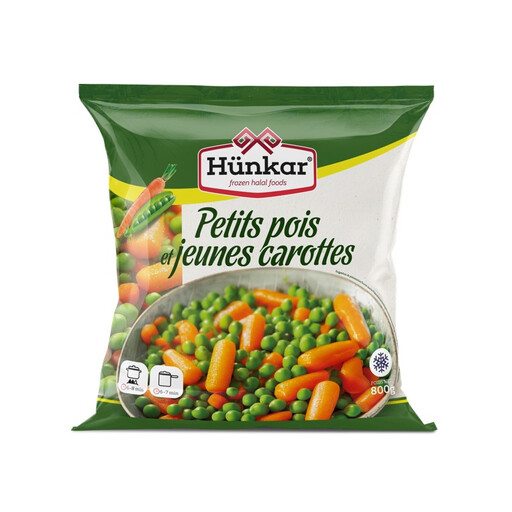 Image unavailable
HÜNKAR peas and baby carrots, 800 g
A frozen vegetable mix to round out a meal. Follow the preparation instructions on the pack and check the texture of the vegetables before serving them to your toddler.
View on Joybuy
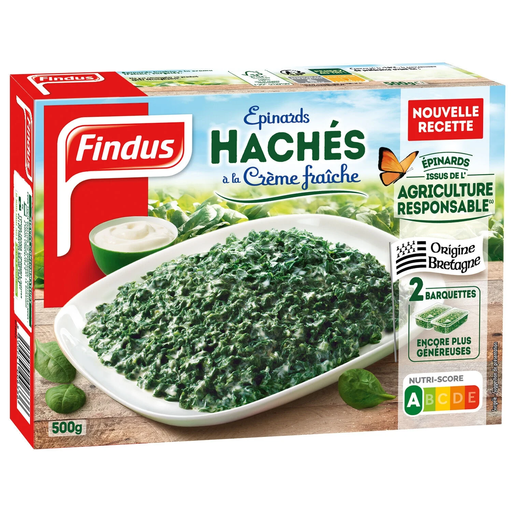 Image unavailable
FINDUS chopped spinach with cream, 500 g
A frozen side to add to a shared dinner. Cream is included in the recipe, as the product name indicates; check the full ingredients and allergen list before serving it to your child.
View on Joybuy
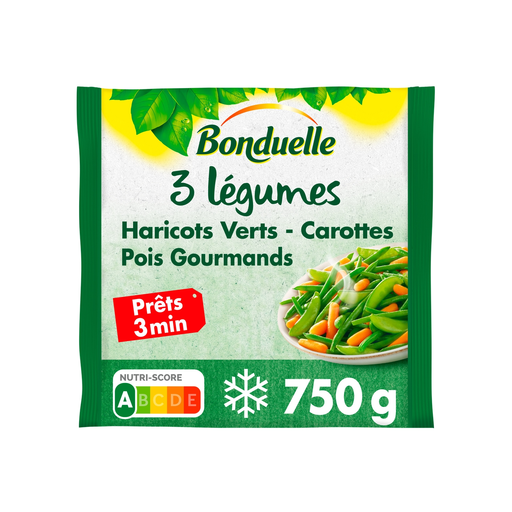 Image unavailable
BONDUELLE green beans, carrots and mangetout, 750 g
A vegetable mix to serve as a side with a family meal. Check the cooking instructions, the allergens listed on the packaging and the texture once prepared for your child.
View on Joybuy
Frequently asked questions
Is a 900 g or 1 kg family meal automatically suitable for a toddler?
No: the weight tells you the size of the meal, not whether it’s suitable for your child. Check the ingredients, allergens, texture and portion served. According to Manger Bouger, children get used to different textures gradually and at their own pace.
What should I compare on the labels of two family-sized frozen meals?
Compare the net weight, ingredients and allergens, then the nutritional information, including sugars, fat and salt per 100 g where these values are shown. Also read the storage and preparation instructions for the product you plan to serve.
How should I transport frozen food after shopping?
Pick up frozen food at the end of your shop and keep it out of the cold for as little time as possible, as recommended by the DGCCRF. Then follow the storage temperature and instructions on the packaging.
How can I check the allergens in a prepacked frozen meal?
Read the ingredients list for the exact product rather than relying on the recipe name alone. The DGCCRF states that allergenic ingredients must be highlighted in the ingredients list on prepacked food; check the label again every time you buy it.


