Holidaymakers eating at different times
If everyone eats at a different time or wants a different dish, individual portions let you prepare meals separately.


To stock up on frozen meals for your summer holiday, choose individual portions if people will be eating at different times, and sharing sizes when several people will be having the same dish. Match the quantities to the space available in your freezer, then check the ingredients, allergens, preparation instructions and storage conditions for each product.
If everyone eats at a different time or wants a different dish, individual portions let you prepare meals separately.
For meals eaten together, a sharing size may be suitable if the stated number of portions matches the number of people and you can serve the whole dish.
If ingredients, allergens or nutritional information influence your choice, check the label for each recipe before planning your meals.
Start by dividing your meals between individual portions and sharing dishes. Then check that you can store and prepare your chosen products in your holiday accommodation.
| Criterion | What to check | Who it matters to |
|---|---|---|
| Meal size | Net weight, stated number of portions and preparation method. | When mealtimes differ, I prefer to be able to prepare one portion without opening a sharing dish; around 31% of consumers prioritise having a choice of sizes. |
| How much to stock | Number of meals planned and space available in the freezer. | When staying somewhere with a small freezer, I want to be able to store the planned meals as soon as I arrive; for around 31% of consumers, how much they can store comes before other criteria. |
| Ingredients | Ingredients, highlighted allergens and nutritional information per 100 g. | If I need to avoid certain ingredients, I need to be able to check each recipe before choosing it; around 23% of consumers put ingredients first. |
| Transport and storage | Storage temperature shown on the packaging and whether you can put the products away straight away. | When travelling in summer, I want to take frozen food straight to the freezer; keeping it frozen during transport is the priority for around 15% of consumers. |
When comparing similar recipes, nutritional information per 100 g gives you a common basis for comparison, although you should also consider the amount actually served. The DGCCRF reminds shoppers that allergens must be highlighted on the labels of prepacked foods. If a Nutri-Score is shown, Manger Bouger recommends using it to compare products in the same category, without relying on it instead of reading the label.
A sharing size is less flexible when mealtimes or food preferences differ. You could end up with part of the dish left uneaten.
Save larger sizes for meals together, and plan individual portions for days when everyone is eating separately.
The DGCCRF reminds shoppers that a rise in temperature speeds up microbial growth, so the journey home and putting food away are both part of maintaining the cold chain.
Pick up frozen food at the end of your shop, keep the journey as short as possible and put it away straight away at the temperature stated on the packaging.
Carrefour separates its frozen ready meals into individual and sharing sizes, among other categories.
E.Leclerc DRIVE lists frozen foods for ordering, with different collection or delivery options depending on the location.
Auchan categorises its frozen ready meals into individual and family sizes, among other options.
Picard offers frozen ready meals in a range of pack sizes, including sharing sizes.
ALDI’s frozen food aisle includes pizzas and prepared meals, among other products.
Lidl lists frozen ready meals online that are available during specific sales periods.
These frozen products come in different sizes and styles, giving you options for your holiday meals. Before deciding how much to stock, check the number of portions and preparation instructions on each pack, as well as what you’ll need in your accommodation.
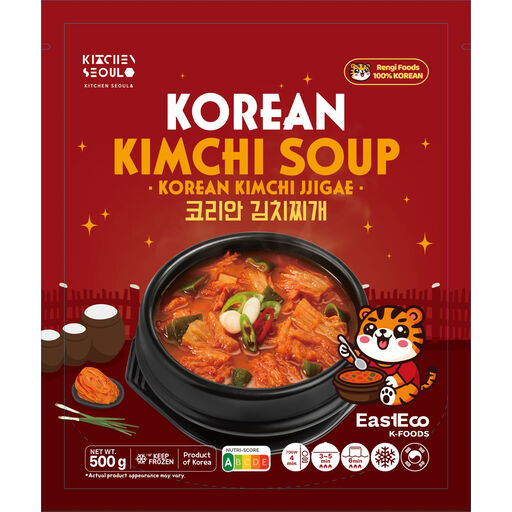 Image unavailable
A frozen soup to consider for a hot meal, provided you have the equipment needed to prepare it.
500 g pack. Check the number of portions, cooking instructions and allergen list on the packaging.
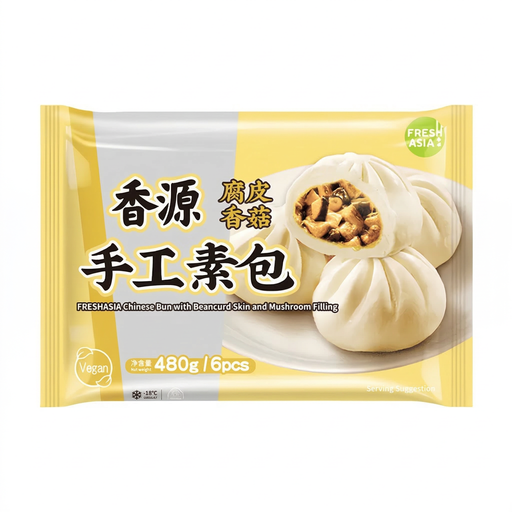 Image unavailable
Frozen filled buns to add variety to your meals, rather than serve as a complete sharing dish.
480 g pack. Check the number of buns and portions, and make sure you have the equipment needed for steaming.
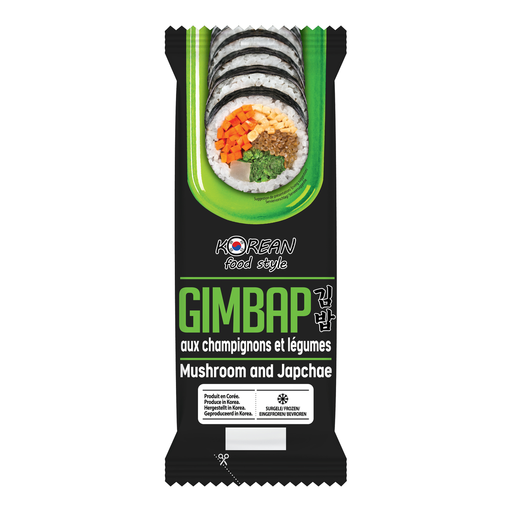 Image unavailable
A frozen gimbap to consider for an individual meal during your stay.
230 g pack. Check the packaging for the number of portions and defrosting method before planning when to eat it.
Pick them up at the end of your shop and put them in the freezer as soon as you arrive. Keep the journey as short as possible, use an insulated bag if necessary, and follow the storage instructions on each pack. The DGCCRF reminds shoppers that a rise in temperature speeds up microbial growth.
Check the ingredients, allergens, net quantity, nutritional information, and storage and preparation instructions. The DGCCRF states that allergens must be highlighted on the labels of prepacked foods. Compare nutritional values per 100 g, while also taking the portion served into account.
No. It doesn’t replace checking the ingredients, allergens and nutritional information. When shown, Nutri-Score can help you compare products in the same category, as Manger Bouger explains.
No. Sharing dishes work well for meals eaten together, while individual portions offer more flexibility when mealtimes differ. Choose quantities based on the number of people, the meals you have planned and the freezer’s actual capacity.